
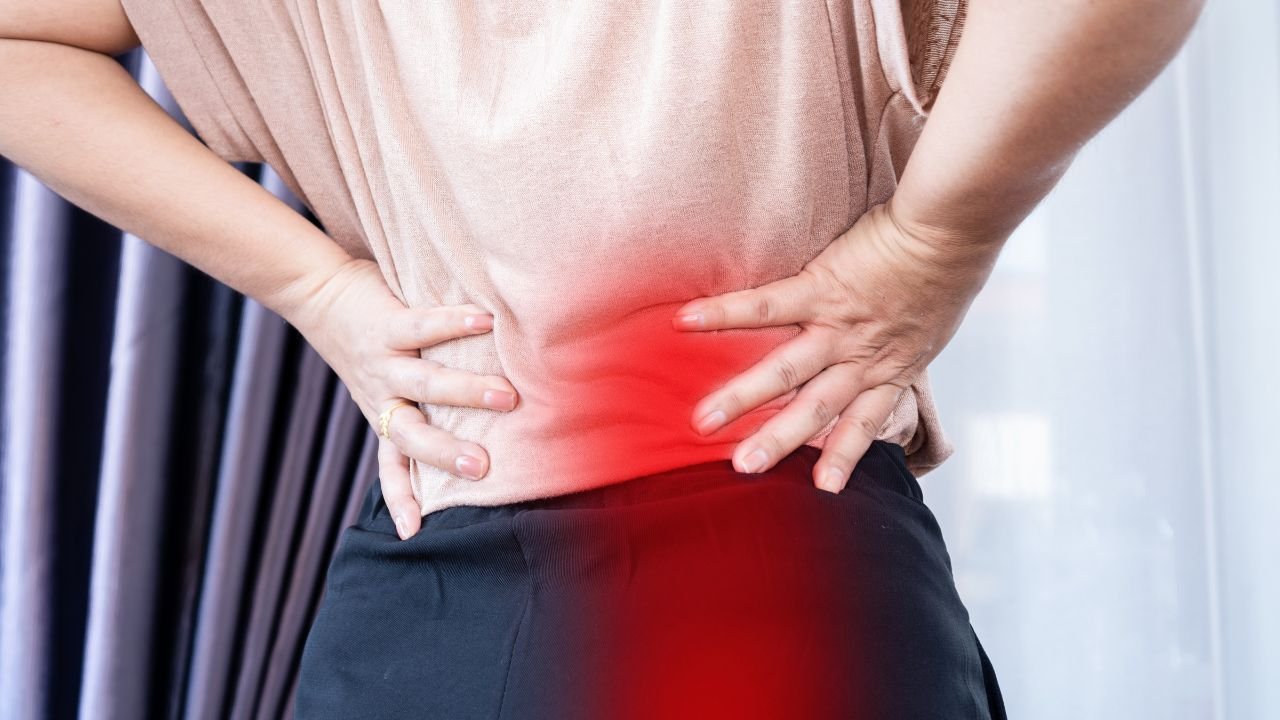
Sciatica causes sharp, radiating pain from the lower back through the leg, a condition that can turn simple activities like sitting, sleeping, or walking into daily challenges. Understanding which habits worsen symptoms and which provide lasting improvement creates the foundation for recovery that extends beyond temporary symptom management.
Managing this condition requires a comprehensive approach combining proper positioning, targeted movement, and evidence-based therapies. Following specific sciatica do’s while avoiding common sciatica don’ts makes the difference between chronic suffering and genuine healing.
Key Takeaways:
- Proper sleep positioning with supportive pillows reduces sciatic nerve compression during rest
- Targeted stretches like the Figure Four and nerve glides decrease pressure on affected nerves
- TENS units and physical therapy provide drug-free alternatives for managing chronic pain
- Red flag symptoms, including bowel control loss, require immediate emergency medical evaluation
- Conservative treatment requires 4-6 weeks before considering advanced interventions
What Causes Sciatica And How Does It Develop?
Sciatica is nerve pain originating from compression or irritation of the sciatic nerve, the body’s longest and widest nerve pathway. This nerve forms from five nerve roots emerging from the lumbar and sacral spine, combining to create a single pathway running through each leg.
Herniated discs pressing against nerve roots represent one primary cause. Spinal stenosis narrows the spaces where nerves exit the spinal column. Piriformis syndrome occurs when hip muscle tightness compresses the sciatic nerve beneath the buttocks.
Common triggers include prolonged sitting, excess body weight, aging-related disc degeneration, occupations requiring repetitive lifting, and conditions like diabetes that increase nerve damage risk.
How Does Sciatica Affect Your Daily Life?
Sciatica disrupts sleep quality by making it difficult to find comfortable resting positions. Nerve pain intensifies when lying flat or rolling onto the affected side during sleep, leading to frequent awakenings and morning fatigue.
Work productivity decreases as sitting becomes increasingly uncomfortable throughout the day. Simple activities like bending to tie shoes or standing from seated positions trigger sharp pain episodes. Many people find their favorite recreational activities, such as golf, hiking, and exercise, become impossible without addressing the underlying nerve compression.
What Are The Best Sleep Positions For Back Pain Relief?
Sleep position directly affects spinal alignment and pressure distribution along the sciatic nerve pathway. Poor positioning during rest increases nerve compression, causing morning stiffness and interrupted sleep cycles.
For side sleepers: Place a supportive pillow between the knees to maintain neutral hip alignment. This positioning prevents the top leg from pulling the spine out of alignment during rest.
For back sleepers: Place a pillow under the knees to reduce lower back pressure. This simple adjustment supports the spine’s natural curve and decreases tension on compressed nerve roots.
For stomach sleepers: Place a pillow under the pelvis to create space in the lower back joints. While stomach sleeping isn’t ideal for most people with sciatica, this modification reduces excessive spinal extension.
- Choose if you prefer side sleeping: Memory foam knee pillows or contour leg pillows designed specifically for this position.
- Choose when you sleep on your back: Bed wedges or bolster pillows that elevate and support the knees throughout the night.
Premium memory foam models use gel-infused additives for temperature regulation, while higher-density foam provides better shape retention. Understanding how durable medical equipment supports your pain management helps you select the right supportive tools.
What Sleep Positions Should You Avoid?
Sleeping flat on the back without knee support increases the lumbar curve and nerve compression. This position forces the lower spine into excessive extension throughout the night, maintaining pressure on already irritated nerve roots for 7-8 hours.
Stomach sleeping without pelvic support twists the spine and rotates the neck unnaturally, stressing both the sciatic nerve and cervical spine for extended periods. Avoid sleeping on the affected side without adequate pillow support between the legs, as gravity collapses the spine laterally, increasing pressure on the compressed nerve root.
Which Exercises Provide Long-Term Relief?
Exercise reduces sciatic nerve pressure by improving flexibility and strengthening supporting muscle groups. Therapeutic exercise guidance combined with strengthening addresses underlying imbalances causing nerve compression.
The Figure Four Stretch releases tight hip rotators, compressing the nerve. Lie on your back, cross one ankle over the opposite knee, and gently pull the supporting leg toward your chest. Hold for 30 seconds and repeat 3 times per side.
The Back Rotation Stretch gently mobilizes the lumbar spine to reduce stiffness around nerve roots. Lie on your back with knees bent, slowly lower both knees to one side while keeping your shoulders flat, hold for 30 seconds, then repeat on the opposite side.
Lower Body Nerve Glides gently mobilize the sciatic nerve along its entire pathway. Sit in a chair, slowly straighten one knee while flexing the ankle toward you, hold briefly, then return to the starting position.
- Choose the Figure Four if: Hip tightness and buttock pain dominate your symptoms.
- Choose nerve glides when: Symptoms extend down the entire leg and worsen with certain positions.
How Does Physical Therapy Support Recovery?
Physical therapy provides personalized exercise guidance tailored to individual movement patterns and pain triggers. Therapists assess muscle imbalances and joint restrictions that contribute to nerve compression, then design specific interventions addressing these root causes.
A skilled physical therapist identifies compensatory movement patterns that perpetuate symptoms. Many people unconsciously shift weight or alter their gait to avoid pain, creating new muscle imbalances that worsen the underlying problem. Manual therapy techniques including soft tissue mobilization and joint manipulation complement exercise programs, releasing muscle tension and restoring normal joint movement.
What Movements And Activities Should You Limit?
Heavy lifting with poor form compresses spinal discs and increases herniation risk. Bend at the knees rather than the waist, keeping items close to your body and using leg muscles rather than back muscles.
High-impact activities like running on hard surfaces create repetitive shock waves through the spine. Low-impact alternatives like swimming, cycling, or elliptical training provide cardiovascular benefits without the mechanical stress.
Prolonged standing in one position without movement breaks allows muscle fatigue and postural collapse. Take brief walking breaks every 30 minutes to redistribute spinal load. Avoid completely stopping all activity during flare-ups, gentle movement within pain tolerance maintains blood flow to injured tissues and prevents deconditioning.
When Should You Use TENS Units For Pain Relief?
TENS stands for Transcutaneous Electrical Nerve Stimulation, delivering low-voltage electrical currents through skin electrodes. These devices work best during active flare-ups when conventional pain signals overwhelm the nervous system. The electrical stimulation provides competing sensory input that can reduce pain perception without medication.
TENS units offer drug-free alternatives avoiding medication side effects and dependency concerns. Treatment sessions typically last 20-30 minutes and can be repeated throughout the day as needed.
- Choose TENS units if: You prefer drug-free pain management or experience medication side effects.
- Choose when: Acute flare-ups make movement difficult, and you need immediate symptom control.
What Over-The-Counter Options Work Effectively?
NSAIDs like ibuprofen and naproxen reduce inflammation and block pain signals. These medications provide temporary relief during acute episodes when movement becomes severely restricted. Take these medications with food to minimize stomach irritation.
Acetaminophen blocks pain signals without reducing inflammation. This option works well for people who cannot tolerate NSAIDs due to stomach sensitivity or other health conditions.
Topical creams deliver active ingredients directly through skin to affected tissues. Menthol and capsaicin formulations create warming or cooling sensations that provide localized relief without systemic medication effects. All over-the-counter options work best as short-term interventions while implementing strategies that address root causes.
How Do Professional Interventions Support Your Recovery?
Professional interventions provide targeted relief when conservative home measures prove insufficient. These treatments work best as components within comprehensive management plans rather than standalone solutions.
Advanced therapies deliver concentrated therapeutic factors directly to compressed nerve tissues. Stem cell therapy and other regenerative approaches represent cutting-edge options when traditional interventions don’t provide adequate relief.
Chiropractic care focuses on spinal alignment and joint mobility restoration. Manual adjustments combined with soft tissue work address mechanical restrictions contributing to nerve compression.
Choose professional interventions if: Home care strategies don’t provide adequate relief after 4-6 weeks of consistent application.
Choose when: Symptoms worsen despite following recommended positioning, exercise, and lifestyle modifications.
Why Is Movement Important During Pain Flare-Ups?
Movement maintains blood flow to injured tissues while preventing stiffness that worsens pain. Complete rest allows muscles to weaken and joints to stiffen, prolonging recovery. The relationship between sleep and chronic pain demonstrates how proper rest positioning differs from complete inactivity.
Taking frequent movement breaks when sitting prevents sustained pressure on the sciatic nerve pathway. Standing and walking every 30 minutes redistributes spinal load and restores circulation to compressed areas.
Short, frequent walks prove more beneficial than single long exercise sessions during acute phases. Ten-minute walks repeated several times daily maintain mobility without overloading inflamed tissues. Water-based activities provide movement benefits with minimal spinal compression.
How Does Posture Affect Your Sciatica Symptoms?
Poor posture increases mechanical stress on spinal structures that already compress the sciatic nerve. Slouching collapses the spine forward, narrowing spaces where nerve roots exit the spinal column.
Maintaining neutral spine alignment distributes body weight evenly across vertebral discs and facet joints. Think of neutral posture as stacking building blocks, each vertebra sits directly over the one below, creating stable support without excessive stress.
At your desk: Adjust chair height so feet rest flat on the floor with knees at 90 degrees. Position your computer monitor at eye level. Use a small lumbar support cushion to maintain the natural curve in your lower back.
While driving: Move the seat close enough to reach pedals without stretching. Adjust the backrest to approximately 100-110 degrees, slightly reclined from vertical.
While standing: Distribute weight evenly between both feet rather than shifting to one side. If standing for extended periods, place one foot on a small stool and alternate feet every 10-15 minutes.
What Common Habits Worsen Sciatica?
Removing wallets from back pockets reduces nerve compression when sitting on hard surfaces. Thick wallets create uneven pressure that tilts the pelvis and irritates sciatic nerve pathways.
Crossing legs while seated rotates the pelvis and increases pressure on hip structures surrounding nerves. Keep both feet flat on the floor or use a footrest to maintain level hip alignment.
Wearing high heels shifts the body’s center of gravity forward, increasing lumbar curve and spinal stress. Choose supportive footwear with minimal heel elevation and good arch support.
Carrying heavy bags on one shoulder creates muscle imbalances and asymmetrical spinal loading. Alternate shoulders regularly or use a backpack that distributes weight across both shoulders.
Five ways to prevent back pain include addressing these daily habits before they accumulate into chronic problems. Small, consistent adjustments prevent the progressive tissue stress that often leads to nerve compression.
When Should You Seek Professional Medical Attention?
Medical evaluation becomes necessary when symptoms indicate serious neurological compromise or structural damage. Early professional assessment prevents permanent nerve damage and identifies conditions requiring immediate intervention.
Seek immediate emergency care if you experience:
- Severe pain with progressive leg weakness
- Loss of bladder or bowel control
- Numbness in the groin or inner thighs (saddle anesthesia)
- Pain accompanied by fever, chills, or unexplained weight loss
Progressive leg weakness indicates significant nerve compression that may cause permanent muscle damage without prompt treatment. Bowel or bladder changes suggest cauda equina syndrome, a medical emergency requiring immediate evaluation.
Schedule a professional consultation if:
- Pain persists beyond 4-6 weeks despite consistent home care
- Symptoms worsen rather than improve over time
- Pain significantly limits your ability to work or perform daily activities
Most sciatica cases respond to conservative treatment within 4-6 weeks. Symptoms worsening after this period suggest underlying structural issues needing advanced diagnostic imaging and specialized interventions.
Knowing how to choose a pain management specialist in Scottsdale helps you identify qualified providers when home management proves insufficient. Board certification, fellowship training, and a comprehensive treatment philosophy that addresses root causes indicate expertise aligned with achieving lasting results.
What Long-Term Strategies Support Lasting Relief?
Long-term relief requires consistent application of multiple evidence-based strategies rather than relying on single interventions. Combining proper sleep positions for back pain with therapeutic exercise creates comprehensive management addressing all contributing factors.
Following sciatica do’s like maintaining neutral posture and taking movement breaks prevents symptom recurrence. Avoiding sciatica don’ts such as prolonged sitting and poor lifting mechanics protects the spine from re-injury.
Develop a sustainable daily routine including:
- Morning stretching targeting hip flexors and hamstrings
- Hourly posture checks and position changes during work
- Evening, gentle walking to maintain mobility
- Consistent sleep positioning with appropriate pillow support
- Weekly strength training for core and hip stabilization
Consistency matters more than intensity. Ten minutes of daily stretching provides better long-term results than occasional hour-long sessions. Advanced treatment options provide additional support when conservative measures need augmentation. Regenerative therapies address tissue damage at the cellular level, supporting the body’s natural healing capacity rather than simply masking pain signals.
How Can Integrated Spine, Pain & Wellness Help?
Integrated Spine, Pain & Wellness provides comprehensive evaluation and personalized treatment plans addressing the root causes of sciatic nerve compression. Led by Dr. Ashu Goyle, a double board-certified anesthesiologist and regenerative medicine specialist trained at the prestigious Cleveland Clinic, the practice combines advanced diagnostic techniques with cutting-edge regenerative therapies.
The practice’s Functional Spinal Unit Approach recognizes that joints don’t function in isolation. By addressing the entire functional unit, including muscles, ligaments, nerves, and supporting structures, this methodology achieves superior outcomes that last years, not months.
As Arizona’s exclusive provider of Regenokine® therapy and one of the few practices offering MLS M7 Laser treatment, ISPW delivers access to technologies unavailable at most pain management clinics. These advanced modalities support tissue repair and inflammation reduction without the risks associated with repeated steroid injections or long-term medication use.
The holistic approach extends beyond treating immediate symptoms to addressing underlying factors that perpetuate pain cycles. Comprehensive care includes detailed movement assessment, personalized exercise programming, lifestyle modification guidance, and, when needed, regenerative interventions that facilitate true healing rather than temporary symptom management.
If you’re experiencing persistent sciatica affecting your quality of life and limiting the activities you love, contact Integrated Spine, Pain & Wellness to discover how a comprehensive, healing-focused approach can help you achieve lasting relief and reclaim your active lifestyle.
This article is for general education and is not medical advice. Treatments discussed may not be right for everyone, individual results vary, and they are not a cure for any disease. Please talk with Dr. Goyle about your situation.


