
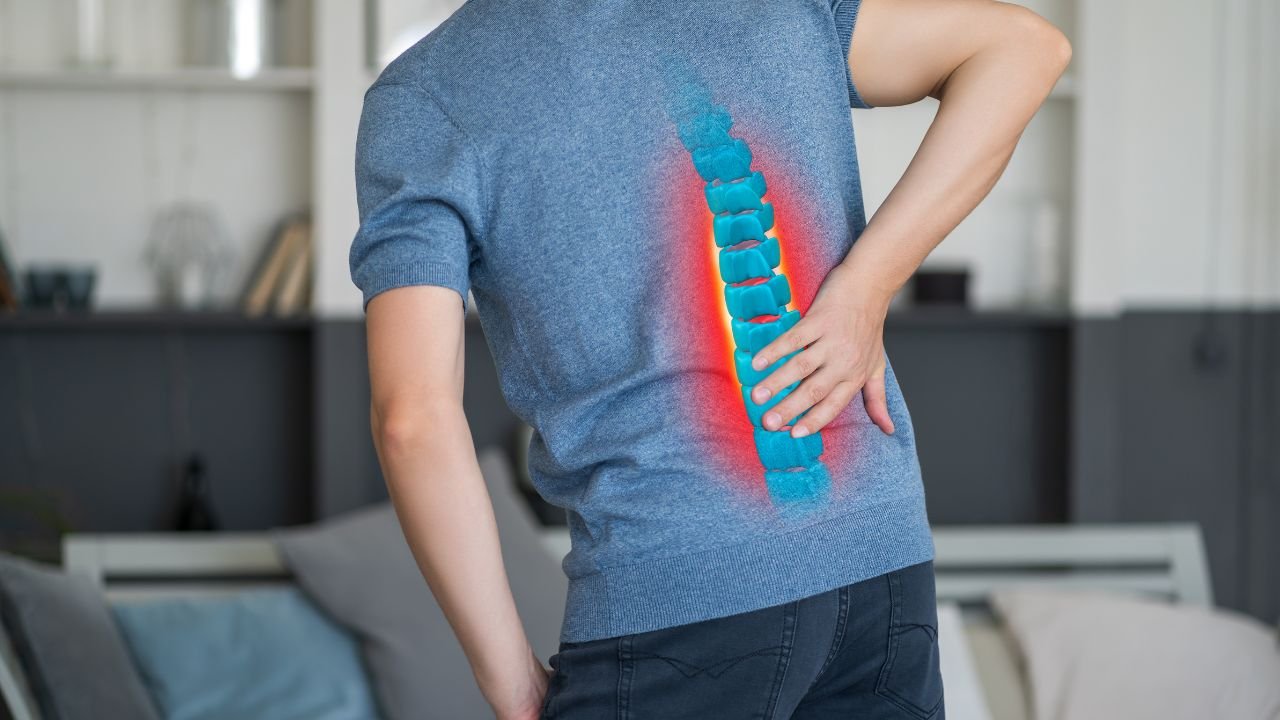
You’ve just had a facet joint injection, or you’re considering one to address chronic back pain that’s kept you from golf, hiking, or simply enjoying your daily activities without discomfort. The injection itself takes only 15 to 30 minutes, but what happens afterward determines whether you experience weeks of relief or months of restored function.
Recovery after a facet joint injection involves more than waiting for the medication to work. Your actions during the critical first week directly influence how long pain relief lasts and whether you achieve the functional improvements you’re seeking. Active individuals who follow evidence-based recovery protocols return to their favorite activities faster and experience fewer complications.
This guide walks you through the complete facet joint injection recovery timeline, from immediate post-procedure care through long-term activity resumption. You’ll learn which symptoms indicate proper healing, when to resume physical activities, and how to maximize the therapeutic benefits of your injection.
Key Takeaways
- Many patients experience several months of pain relief, though how long it lasts varies from person to person
- Image-guided procedures are generally more accurate than landmark-based injections
- The first 24-48 hours require activity modification while your body responds to the medication
- Success varies by condition type, with nerve-related pain responding better than purely mechanical back pain
- Conservative treatment for at least 3 months comes before injection therapy, with a maximum of three procedures yearly
What Happens During A Facet Joint Injection?
A facet joint injection delivers medication directly into the small joints between your vertebrae. These joints can degenerate over time from arthritis, injury, or repetitive stress, causing localized back pain or discomfort that radiates into your buttocks or thighs.
The procedure combines a local anesthetic for immediate relief with a corticosteroid to reduce inflammation over several days. Your physician uses fluoroscopy-guided imaging to visualize needle placement in real-time, ensuring the medication reaches the exact location causing your symptoms.
This dual-purpose injection serves both therapeutic and diagnostic roles. When your pain improves significantly after the injection, it confirms the facet joint was generating your symptoms and helps guide your long-term treatment strategy.
Which Conditions Respond To Facet Joint Injections?
Facet joint injections target arthritis-related pain, mechanical back pain, and facet joint syndrome affecting spinal stability. These small joints can wear down from years of movement, sports participation, or occupational stress, creating inflammation that triggers pain signals.
You’re a candidate for this treatment if your pain worsens with backward bending, prolonged standing, or rotation movements. Most physicians require conservative treatment attempts, including physical therapy, anti-inflammatory medications, and activity modification, for at least three months before recommending injections.
Choose facet joint injections if:
- Your pain intensifies with spinal extension or twisting movements
- Conservative treatments provided only temporary relief
- You want to avoid long-term medication dependence
- You’re seeking a diagnostic procedure to confirm your pain source
Choose other treatments when:
- Your pain radiates down your leg below the knee (may indicate nerve compression)
- You haven’t tried physical therapy or medication management
- Your symptoms started less than six weeks ago
- You have active infection or uncontrolled bleeding disorders
How Soon Can You Expect Pain Relief?
The local anesthetic component begins working within minutes to hours, though this initial relief remains temporary. The corticosteroid requires three to seven days to reduce inflammation and deliver sustained symptom improvement.
Some patients experience increased discomfort during the first 48 hours before significant relief begins. This temporary pain increase results from needle placement and medication volume stretching the joint capsule, both normal responses that resolve as inflammation decreases.
How Long Does Relief Typically Last?
Pain relief duration typically spans 6 to 12 months for facet joint injections when combined with appropriate rehabilitation and activity modification. Individual response varies based on the severity of underlying degeneration and how closely you follow recovery protocols.
Patients who participate in pain management programs incorporating physical therapy and proper body mechanics often experience longer-lasting benefits. Those requiring repeated injections should not exceed three procedures per year to minimize cumulative steroid exposure affecting bone density and tissue health.
What Should You Expect During The First 24 Hours After Injection?
The immediate recovery period sets the foundation for optimal healing and long-term results. Your care during this window directly influences both symptom relief and complication risk.
What Activities Should You Avoid Immediately After?
Skip strenuous physical activity, lifting anything over 10 pounds, and high-impact exercises for 24 to 48 hours following injection. This rest period allows the medication to settle and prevents mechanical disruption at the injection site.
Postpone swimming, hot tubs, and bathing for 24 hours to reduce infection risk at the needle entry point. You can typically drive once local anesthetic numbness resolves, usually within two to four hours, though having someone drive you home from the procedure remains safest.
Which Self-Care Practices Support Healing During Recovery?
Apply ice for 15 to 20 minutes every two to three hours during the first 48 hours to reduce injection site soreness. Stay well-hydrated and avoid alcohol to help your body metabolize medications and support tissue healing.
Gentle walking maintains circulation without stressing the treated area, promoting medication distribution and reducing stiffness. Sleep in positions that minimize spinal rotation or extension to protect the facet joint during the inflammatory reduction phase.
What Does The Complete Recovery Timeline Look Like?
The facet joint injection recovery timeline follows distinct phases, beginning with immediate monitoring and progressing through weeks of gradual improvement. Most patients experience initial soreness for 24 to 48 hours before the corticosteroid reduces inflammation.
Complete recovery typically occurs within one to two weeks, though individual healing rates vary based on underlying conditions and activity levels. Monitoring symptoms during this period helps identify whether the injection successfully addressed your pain source.
When Can You Resume Physical Therapy Or Exercise?
Physical therapy can resume three to five days post-injection once acute soreness subsides and initial inflammation decreases. This timing allows the corticosteroid to begin working while the joint remains receptive to therapeutic movement.
Progressive loading through supervised exercise prevents deconditioning while respecting tissue healing capacity. Patients working with specialists who understand active lifestyle demands achieve better long-term outcomes through personalized rehabilitation programs that address underlying movement dysfunction.
Expected outcomes by timeline:
- Days 1-3: Local anesthetic wears off; corticosteroid begins reducing inflammation; mild soreness is normal
- Days 4-7: Significant pain reduction should begin; safe to resume light activities and physical therapy
- Weeks 2-4: Full therapeutic benefit develops; return to most normal activities with proper form
- Months 1-6: Sustained pain relief allows focus on strengthening and preventing future episodes
How Do You Know If Recovery Is Progressing Properly?
Normal recovery includes mild soreness at the injection site, temporary numbness in the treatment area, and gradual pain reduction. These symptoms typically resolve within 48 to 72 hours without requiring additional intervention.
Your pain should progressively decrease rather than intensify after the first 48-hour period. The injection site may feel tender to touch, similar to a deep bruise, but this discomfort should not interfere with basic daily activities.
What Warning Signs Require Immediate Medical Attention?
Contact your physician immediately if you develop a severe headache suggesting dural puncture, sudden weakness or numbness in your arms or legs, or fever above 101°F indicating possible infection. Also report persistent increased pain beyond three days or any loss of bowel or bladder control.
These symptoms, while rare, require prompt evaluation to prevent serious complications. Most providers offer 24-hour emergency contact options for patients experiencing concerning post-procedure symptoms.
How Do Facet Joint Injections Compare To Other Spine Treatments?
Different injection types target distinct pain generators using varying medication combinations and anatomical approaches. Understanding these differences helps you and your provider select the most appropriate intervention for your specific condition.
What Are The Differences Between Facet Joint And Epidural Steroid Injections?
Epidural steroid injections target nerve-related pain and spinal stenosis by delivering medication into the epidural space surrounding nerve roots. They may provide meaningful relief for many people, often more so in mild to moderate cases than in severe ones, though results vary.
Relief is often strongest in the first few months and may fade over the following year, so some people need repeat procedures for lasting relief. Facet joint injections specifically address joint-mediated pain rather than nerve root compression symptoms, making them ideal for different pain patterns.
How Do Trigger Point Injections Differ In Purpose And Outcome?
Trigger point injections treat painful muscle knots that form when muscles cannot relax properly. These procedures demonstrate meaningful improvement rates for myofascial pain affecting movement patterns and muscle function.
Ultrasound guidance allows accurate identification of muscle layers for trigger point injections, improving precision and safety. This imaging technology helps practitioners avoid blood vessels and nerves while ensuring medication delivery to the exact trigger point location.
Why Does Image Guidance Matter For Facet Joint Injections?
Ultrasound- or fluoroscopy-guided injections are generally more accurate than landmark-based (“blind”) techniques, which can help place the medication more precisely.
Image guidance may lower the chance of needing another procedure within a year. The improved accuracy reduces medication waste, minimizes tissue trauma, and decreases complication rates compared to approaches relying solely on anatomical landmarks.
What Makes Image-Guided Procedures Safer?
Real-time visualization allows your physician to see the needle path and confirm placement before injecting medication. This precision prevents inadvertent injection into blood vessels, the spinal cord, or surrounding tissues that could cause complications.
Without image guidance, there’s increased risk of medication delivery to incorrect locations or structures. Studies consistently show that fluoroscopy-guided procedures achieve better pain relief with fewer repeat injections compared to blind approaches.
What Are The Risks And How Are They Minimized?
While generally safe, facet joint injections carry inherent risks that you should understand before consenting to treatment. Careful provider selection, proper technique, and patient monitoring significantly reduce the likelihood of adverse events.
Most complications remain mild and self-limiting, resolving without intervention within days of the procedure. Serious complications occur rarely but require immediate recognition and appropriate medical response when they develop.
What Mild Side Effects Are Common During Recovery?
Transient low blood pressure can occur immediately after injection, causing temporary dizziness or lightheadedness that resolves with rest. Severe headache sometimes results from unintended dural puncture during needle placement, typically improving with conservative measures like caffeine and hydration.
Temporary numbness or tingling in the treatment area reflects local anesthetic effects dissipating over two to four hours. These sensations should progressively decrease rather than intensify, with full sensation returning within six hours.
What Serious Complications Should You Watch For?
Spinal cord injury represents a catastrophic but extremely rare complication from inadvertent arterial injection or direct trauma. Epidural hematoma can develop in patients with bleeding disorders or those taking anticoagulant medications not properly managed before procedures.
Severe infections including abscess or meningitis require immediate antibiotic treatment and possible surgical drainage to prevent progression. Paralysis and death, while exceptionally rare, have been documented following cervical spine injections performed without proper safety protocols.
How Do Best Practices Minimize Risk?
Conservative treatment trial of at least 3 months is required before injections, ensuring patients attempt physical therapy, medications, and lifestyle modifications first. This approach identifies those who can avoid injection risks by responding to less invasive therapies.
A maximum of three injections per year is recommended to prevent cumulative steroid exposure causing bone density loss or tissue weakening. Providers following these guidelines balance therapeutic benefit against long-term risks associated with repeated corticosteroid administration.
Who Achieves The Best Results From Facet Joint Injections?
Patient selection significantly influences injection outcomes, with specific clinical factors predicting treatment success. Understanding these variables helps providers identify ideal candidates while managing expectations for those less likely to benefit.
Which Pain Patterns Respond Best?
Injections prove most effective for pain patterns that worsen with spinal extension or rotation movements. Patients whose symptoms intensify with prolonged standing or backward bending typically respond better than those with constant, non-mechanical pain.
Pain that remains localized to the back and buttocks responds more predictably than pain radiating below the knee. When symptoms extend into the legs, nerve compression may be the primary issue requiring different treatment approaches.
How Do Patient Characteristics Affect Outcomes?
Younger patients with early facet degeneration often experience longer relief duration compared to older patients with advanced arthropathy. Age-related tissue changes affect medication absorption and distribution, influencing both onset and duration of therapeutic effects.
Psychological factors including depression and pain catastrophizing negatively impact perceived treatment success regardless of objective improvement measures. Choosing a pain management specialist who screens for these variables ensures injections represent an appropriate intervention for your situation.
What Are The Cost Considerations For Facet Joint Injections?
Treatment costs vary significantly based on imaging modality, facility type, geographic location, and insurance coverage. Understanding price ranges and cost-effectiveness helps you make informed financial decisions when planning care.
How Does Image Guidance Affect Pricing?
Ultrasound-guided procedures cost an average of $1,280 overall when accounting for procedure and follow-up care expenses. Landmark-based injection costs reach $1,316, while fluoroscopy-guided procedures cost $1,426, making ultrasound the most economical option in many cases.
Ultrasound-guided approaches prove more cost-effective long-term due to reduced retreatment needs. The higher initial accuracy translates to fewer repeat procedures, lower complication rates, and improved patient satisfaction scores.
What Are The Typical Price Ranges?
Facet joint injection costs range from $560 for budget options to $1,432 for premium services in specialized facilities. Mid-range pricing averages $800, reflecting standard fluoroscopy-guided procedures in outpatient surgical centers.
Geographic variation accounts for significant price differences, with urban specialty centers charging premium rates compared to community providers. Insurance coverage varies by plan type, with some requiring substantial copayments or deductibles before covering injection costs.
How Can You Maximize Long-Term Results After Your Injection?
Success extends beyond the injection itself to include rehabilitation, activity modification, and addressing underlying movement dysfunction. Patients who view the injection as one component of comprehensive care achieve the longest-lasting relief.
What Role Does Physical Therapy Play In Recovery?
Physical therapy addresses the movement patterns and muscle imbalances that contributed to facet joint degeneration. Strengthening core muscles and improving spinal stability reduces excessive load on facet joints during daily activities.
Therapists teach proper body mechanics for lifting, bending, and rotating to prevent future episodes. This education component proves crucial for active individuals returning to sports and recreational activities.
When Should You Consider Regenerative Medicine Approaches?
Regenerative medicine therapies including PRP and stem cell treatments address underlying tissue damage while facet joint injections control inflammation. This combination approach targets both symptoms and root causes for comprehensive healing.
Patients with significant facet arthropathy benefit from regenerative approaches that support tissue repair rather than solely reducing inflammation. These treatments work synergistically to restore function and extend the time between required interventional procedures.
Understanding Facet Joint Injection Recovery: Your Path To Lasting Relief
Successful facet joint injection outcomes depend on proper patient selection, precise image-guided technique, and adherence to evidence-based recovery protocols. The integration of advanced imaging with conservative treatment trials and frequency limitations minimizes risks while maximizing therapeutic benefits.
Active individuals seeking to return to sports and activities benefit from working with specialists who understand performance demands and provide personalized rehabilitation programs. The combination of targeted injections with comprehensive rehabilitation addresses both immediate pain relief and long-term functional restoration.
At Integrated Spine, Pain & Wellness, Dr. Ashu Goyle combines Cleveland Clinic-level expertise with state-of-the-art image guidance to deliver precision facet joint injections as part of a holistic treatment approach. Our protocols integrate advanced interventional techniques with regenerative medicine and functional rehabilitation to help you heal, not just manage your pain.
Your recovery doesn’t end when the medication takes effect. It begins there. With proper post-injection care, strategic rehabilitation, and a treatment team committed to your long-term spine health, you can return to the activities you love and maintain the active lifestyle that defines who you are.
Ready to experience pain relief that lasts and healing that restores function? Contact our team to schedule a comprehensive evaluation and discover how our advanced facet joint injection protocols can help you reclaim your active life without compromise.
This article is for general education and is not medical advice. Treatments discussed may not be right for everyone, individual results vary, and they are not a cure for any disease. Please talk with Dr. Goyle about your situation.


