
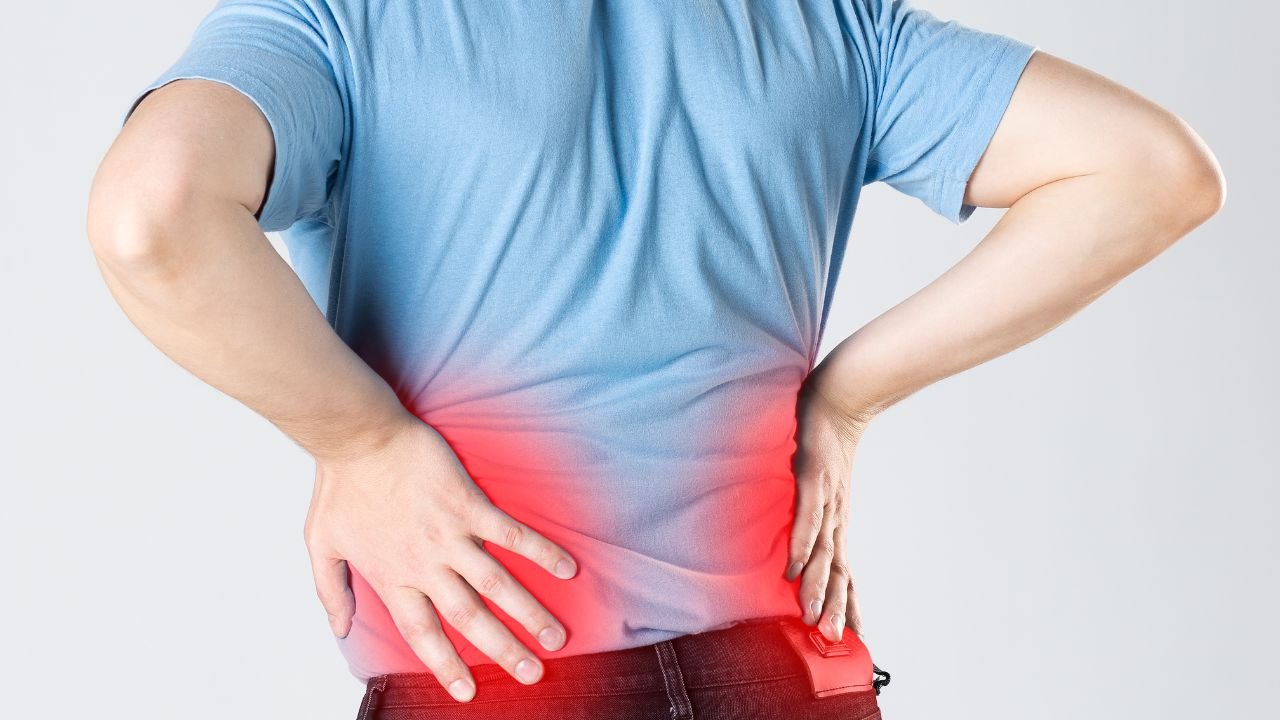
Lower back pain that radiates down your legs often signals nerve compression or irritation in the spine. This symptom pattern affects nearly 40% of adults, with rates climbing after age 45. Radiating leg pain typically follows specific nerve pathways, helping specialists identify the exact spinal level causing compression. Treatment approaches range from conservative therapies to minimally invasive options, depending on severity and your individual goals.
Key Takeaways:
- Herniated discs, spinal stenosis, and degenerative changes are common causes of lower back pain that produce radiating leg pain
- Red flags for sciatica include sudden weakness, bowel or bladder dysfunction, and severe symptoms requiring immediate evaluation
- Conservative treatments like physical therapy and targeted injections succeed in most cases before considering surgical intervention
- Advanced regenerative therapies offer alternatives to traditional surgery with shorter recovery times
- Working with a spine specialist who listens to your goals helps you select the right treatment path for your lifestyle
What Conditions Cause Lower Back Pain That Radiates To The Legs?
Nerve compression from structural changes in the spine produces radiating leg pain through direct mechanical pressure on nerve roots. The most common lower back pain causes include disc herniation, spinal canal narrowing, and age-related degenerative changes. Each condition affects nerve function differently, creating varying patterns of pain, numbness, and weakness in specific leg regions.
How Do Herniated Or Bulging Discs Contribute To Symptoms?
Herniated discs occur when the soft inner nucleus pushes through the outer disc wall, placing direct pressure on adjacent nerve roots. This displaced material creates sharp, radiating leg pain that often follows a specific path down your leg. What is a herniated disk helps determine which nerve is affected and guides targeted treatment. Disc herniations most commonly affect the L4-L5 and L5-S1 levels in the lower spine.
The pain from a herniated disc often worsens with certain positions, such as sitting, bending forward, or coughing, which can increase pressure on the compressed nerve. Many patients describe sharp, shooting, or electric-like pain traveling from the lower back through the buttocks and down the leg.
What Role Does Spinal Stenosis Play In Radiating Pain?
Spinal stenosis involves the gradual narrowing of the spinal canal that restricts the space available for nerves. This age-related condition typically develops from bone spurs, thickened ligaments, and enlarged facet joints. Spinal stenosis symptoms often worsen with standing or walking and improve when sitting or bending forward, a pattern called neurogenic claudication.
The narrowed canal compresses multiple nerve roots simultaneously, creating widespread radiating symptoms. Unlike the sharp shooting pain of disc herniation, stenosis often produces aching, cramping, or heaviness in the legs during activity. This walking intolerance significantly impacts quality of life, limiting activities like golf, hiking, or walking through the grocery store.
How Do Degenerative Changes Affect Nerve Function?
Degenerative disc disease describes the gradual breakdown of intervertebral discs over decades. Loss of disc height reduces the space available for nerve roots to exit the spine through small openings called foramina. Collapsed discs also shift mechanical loads to facet joints, accelerating arthritis and bone spur formation.
These combined changes create multiple sites of potential nerve compression. Your body adapts to gradual changes until compression reaches a threshold where nerves can no longer function normally. At that point, radiating pain, numbness, or weakness begins to interfere with daily activities.
When Should You Be Concerned About Red Flags In Radiating Back Pain?
Certain symptoms indicate serious underlying conditions requiring urgent medical evaluation beyond typical radiating leg pain. Red flags for sciatica include sudden onset weakness, loss of bowel or bladder control, and unexplained fever with back pain. Progressive neurological decline suggests active nerve damage that may become permanent without timely intervention.
What Are The Neurological Warning Signs To Watch For?
Progressive muscle weakness in your foot or leg indicates ongoing nerve damage requiring prompt assessment. If you notice your foot dragging, difficulty standing on your toes, or trouble lifting your foot, contact a spine specialist immediately. Loss of reflexes, particularly the ankle reflex, suggests significant nerve root compression.
Saddle anesthesia, numbness in the groin, inner thighs, or rectal area, signals potential cauda equina syndrome, a surgical emergency. This rare but serious condition occurs when the bundle of nerve roots at the base of the spine becomes severely compressed. These findings demand immediate imaging and specialist consultation to prevent permanent neurological deficits.
How Does Trauma Or Infection Alter The Diagnostic Approach?
Recent falls or accidents combined with radiating pain require imaging to exclude fractures or vertebral displacement. Fever, unexplained weight loss, or night sweats raise concern for spinal infection or malignancy requiring urgent evaluation. The history of cancer changes the diagnostic approach to rule out metastatic spinal involvement.
When Is Immediate Medical Attention Required?
Bowel or bladder dysfunction accompanied by back pain constitutes a surgical emergency requiring evaluation within hours. If you suddenly cannot control your bladder or lose bowel control, go to the emergency department immediately. Sudden paralysis or rapidly progressing weakness also demands immediate imaging and specialist consultation.
How Is Radiating Lower Back Pain Diagnosed?
Initial assessment combines detailed patient history with focused physical examination to identify symptom patterns. Specialists document pain distribution, sensory changes, muscle strength, and reflex responses. Diagnostic imaging confirms structural abnormalities suspected from clinical findings.
What Imaging Studies Are Commonly Used?
MRI provides detailed visualization of soft tissues including discs, nerves, and spinal cord structures. This imaging modality identifies herniated discs, spinal stenosis, and nerve root compression without radiation exposure. CT scans offer superior bone detail when evaluating fractures, bone spurs, or spinal alignment. X-rays assess overall spinal alignment as an initial screening tool.
How Is Clinical Examination Correlated With Imaging?
Imaging abnormalities must match the specific nerve distribution indicated by physical examination findings. Your leg pain should follow the anatomic pathway of the compressed nerve identified on MRI. This correlation ensures interventions target your actual pain source rather than incidental imaging findings.
What Role Do Patient History And Symptom Patterns Play?
Duration of symptoms, aggravating activities, and previous treatments provide context beyond imaging alone. Answering your common questions about back pain helps establish whether symptoms follow typical mechanical patterns or suggest systemic disease. Night pain, constant symptoms unrelated to position, and steady worsening warrant more extensive evaluation.
What Are The First-Line Conservative Treatments For Radiating Back Pain?
Conservative management remains the initial approach for most patients without neurological emergencies or red flags. Treatment options typically include structured physical therapy, anti-inflammatory approaches, and activity modification for 6-12 weeks. Most patients experience significant improvement without surgical or advanced interventional procedures.
At ISPW, we believe your body has a remarkable capacity to heal when given the right support. Our approach focuses on creating the optimal environment for natural healing rather than simply masking symptoms.
How Effective Is Physical Therapy And Exercise?
Physical therapy focuses on core strengthening, flexibility, and movement patterns that reduce nerve compression. The importance of physical therapy includes teaching proper body mechanics and exercises that you can continue independently. Your physical therapist will design exercises specific to your condition, extension-based exercises for stenosis, and flexion-based exercises for certain disc herniations.
Consistency matters more than intensity. Daily gentle exercises done correctly produce better results than occasional aggressive workouts that aggravate symptoms. Most patients need 8-12 weeks of dedicated therapy to experience maximum benefit.
When Are Medications And Injections Recommended?
Anti-inflammatory approaches and muscle relaxants provide symptom relief while physical therapy addresses underlying mechanics. Neuropathic pain medications like gabapentin help manage nerve-related burning or shooting sensations in legs.
Epidural steroid injections deliver anti-inflammatory medication directly to compressed nerves, reducing inflammation and pain. Facet blocks targeting inflamed spinal joints can confirm pain sources when diagnosis remains unclear. These diagnostic injections help specialists identify exactly which structure generates your pain.
What Lifestyle Modifications Support Recovery?
Maintaining healthy body weight reduces mechanical stress on spinal structures and compressed nerves. Even modest weight loss can significantly reduce pressure on degenerative discs and stenotic spinal canals. Avoiding prolonged sitting, using proper lifting techniques, and modifying aggravating activities prevent symptom escalation.
Regular low-impact aerobic exercise like swimming or cycling maintains conditioning without increasing nerve compression. Ergonomic workplace adjustments and sleeping positions that maintain neutral spine alignment support healing between therapy sessions.
When Are Surgical Or Minimally Invasive Procedures Considered?
Surgical consultation becomes appropriate when conservative care fails to adequately control severe symptoms after 6-12 weeks of dedicated effort. Back pain treatment options include both traditional surgical approaches and newer minimally invasive techniques.
At ISPW, Dr. Goyle’s Cleveland Clinic fellowship training in interventional pain management means you receive expert guidance on when surgery is truly necessary versus when advanced regenerative approaches offer better alternatives.
What Are The Indications For Minimally Invasive Spine Surgery?
Minimally Invasive Spine Surgery uses specialized instruments and advanced imaging to reduce tissue damage during procedures. Candidates include patients with persistent radiating pain that correlates to confirmed structural nerve compression on imaging. Conservative management, including physical therapy, medications, and targeted injections, should be attempted first.
However, if conservative care fails to restore your quality of life after thorough attempts, minimally invasive techniques offer effective relief with less tissue disruption. Sciatica treatment approaches should match your individual symptom severity and functional goals.
What Surgical Options Exist For Disc And Nerve Compression?
Microdiscectomy removes herniated disc fragments compressing nerve roots through a small incision. This procedure specifically targets the disc material pressing on your nerve, leaving healthy disc tissue intact. Laminectomy removes bone and ligament to enlarge the spinal canal, addressing stenosis that compresses multiple nerve roots. Spinal fusion stabilizes unstable segments but represents a more involved procedure reserved for specific structural instabilities.
Dr. Goyle’s expertise in regenerative medicine means many patients avoid surgery altogether through advanced biologic treatments. Stem cell therapy for back pain harnesses your body’s natural healing capacity to repair damaged tissues without surgical intervention. These regenerative approaches require several months for tissue remodeling but avoid surgical risks entirely.
How Do Outcomes And Recovery Times Compare Between Procedures?
Minimally invasive spine surgery offers reduced tissue damage compared to traditional open surgical approaches. MISS provides shorter hospital stays, often allowing discharge within 1-3 days. Many patients return to desk work within 2-3 weeks versus longer recovery periods for open procedures.
Regenerative medicine approaches like PRP or bone marrow concentrate therapy require 6-12 weeks for initial improvement as tissues remodel. Maximum benefit often takes 3-6 months as your body completes the healing process.
How Do Patient Demographics And Preferences Influence Treatment Choices?
Age, activity level, and personal values significantly impact appropriate back pain management strategies. Adults aged 18 and over experience back pain at nearly 40% prevalence. Your priorities regarding recovery time, complication risks, and functional goals shape treatment selection.
At ISPW, we understand that you’re not a diagnosis, you’re a person with unique goals and circumstances. A weekend golfer has different priorities than a young parent or business executive.
What Factors Affect Decision-Making Across Age And Gender?
Adults aged 65 and over report the highest back pain prevalence at nearly 46% compared to younger groups. Adults aged 45-64 report 44% prevalence, while those aged 18-44 experience 35% rates. Women report slightly higher back pain prevalence at 41% compared to men at 37%.
Older patients may prioritize pain relief over aggressive activity restoration, while younger patients emphasize return to sports and recreational activities they’re not ready to abandon.
How Do Concerns About Surgery Impact Treatment Selection?
Surgical complications represent a primary patient concern when considering invasive interventions for radiating pain. Recovery time significantly influences decisions for working professionals and caregivers. Cost considerations affect treatment choices, particularly for patients with high-deductible insurance plans or cash-pay preferences.
Long-term outcome durability matters more to younger patients facing decades of potential symptom recurrence. A 35-year-old faces different risk-benefit calculations than a 75-year-old for the same spinal condition.
What Role Does Shared Decision-Making Play In Care Plans?
Collaborative decision-making between patients and specialists ensures treatment aligns with individual goals. Your physician must verify that imaging abnormalities correlate with your specific symptoms. Assessing quality of life impact helps determine whether conservative management adequately addresses functional limitations.
At ISPW, we spend time understanding what matters most to you. Getting back to golf? Playing with grandchildren? Sleeping through the night? Your definition of treatment success guides our recommendations.
How Can Patients Manage Expectations And Improve Long-Term Outcomes?
Realistic expectations about recovery timelines improve satisfaction regardless of treatment chosen. Most conservative treatments require consistent effort over weeks to months before producing maximum benefit. Surgical or advanced interventional procedures address structural compression but require rehabilitation to restore strength and prevent recurrence.
What Are The Typical Recovery Trajectories For Different Treatments?
Physical therapy produces gradual improvement over 8-12 weeks, with continued gains for months as strength and flexibility increase. Regenerative medicine approaches require 6-12 weeks for initial improvement as tissues remodel. Maximum benefit often takes 3-6 months as your body completes the healing process.
Minimally invasive procedures offer more rapid relief when structural decompression is necessary. Many patients experience significant leg pain reduction within days to weeks as compressed nerves recover function.
How Is Pain Management Optimized Post-Intervention?
Multi-modal pain management combines non-opioid medications, physical therapy, and gradual activity progression. At ISPW, we prioritize opioid-free pain management that supports your body’s natural healing without creating dependency.
Neuropathic pain medications address nerve-related symptoms that may persist temporarily despite successful decompression. Nerves recover slowly, sometimes taking weeks or months to fully normalize after pressure is relieved.
What Strategies Help Prevent Recurrence Or Chronic Symptoms?
Maintaining core strength and proper movement mechanics reduces mechanical stress on previously treated spinal segments. Your core muscles provide natural support that unloads spinal structures. Regular core exercises prevent excessive strain during daily activities.
Avoiding smoking, maintaining healthy weight, and staying physically active support long-term spinal health. Regular follow-up with spine specialists allows early intervention if new symptoms develop before they become severe.
Integrating Causes, Red Flags, And Treatment Options To Guide Effective Care for Lower Back Pain Radiating Down Your Legs
Understanding the relationship between spinal structural changes and radiating leg pain enables informed treatment decisions. Recognition of red flags ensures dangerous conditions receive urgent evaluation while routine cases follow systematic conservative pathways. Treatment progression from conservative care through advanced regenerative and minimally invasive options optimizes outcomes while minimizing unnecessary interventions.
Dr. Ashu Goyle’s Cleveland Clinic fellowship training and double board certification bring world-class expertise to every patient consultation. As Arizona’s exclusive Regenokine® provider and one of the few offering advanced MLS M7 Laser Therapy, ISPW combines cutting-edge regenerative treatments with compassionate, personalized care. Our Functional Spinal Unit Approach treats the whole structural system, not just isolated symptoms, creating lasting results that let you reclaim your active lifestyle.
We don’t just manage your pain, we help you heal it. From comprehensive diagnostic evaluation to advanced treatment options tailored to your specific needs, ISPW supports your journey back to pain-free living.
Contact our spine specialists today to schedule your Pain Analysis Consult and discover how our regenerative medicine approach can transform your life without surgery or long-term medication dependency.


