
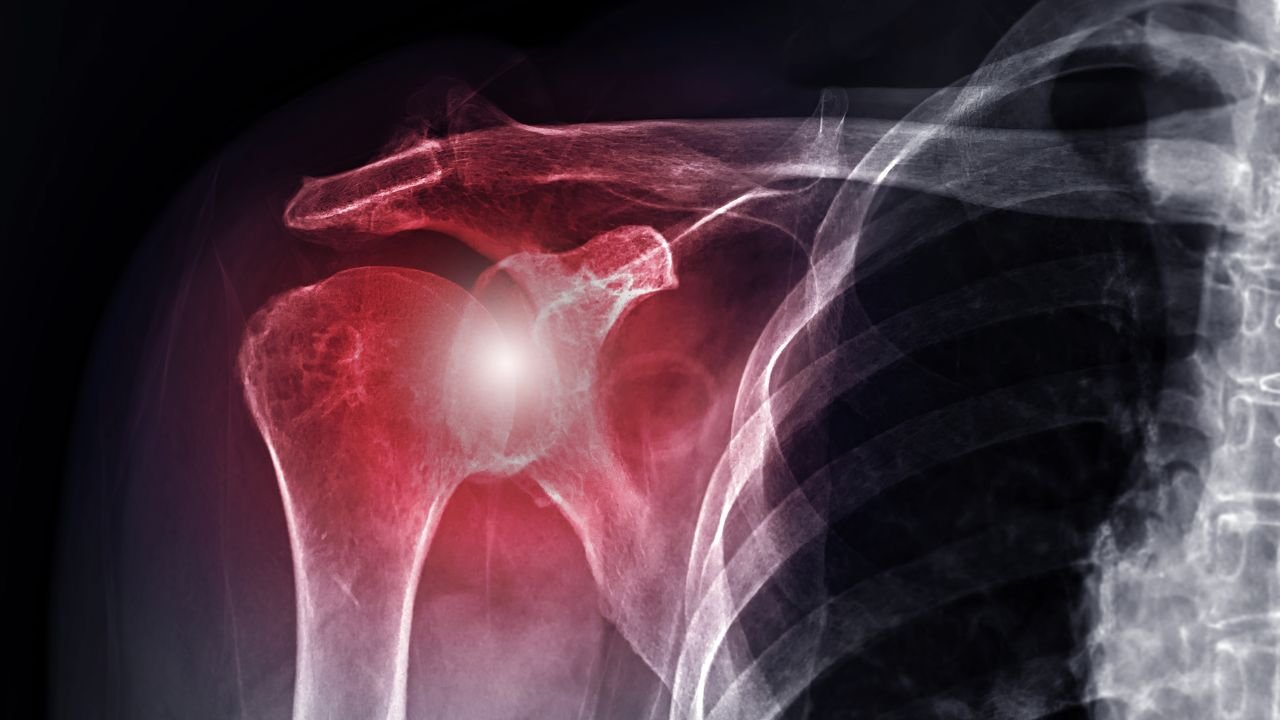
You’ve been told your shoulder is “bone on bone.” Your orthopedist mentioned replacement surgery. The idea of metal implants, months of recovery, and permanent activity restrictions doesn’t sit well with you, especially if you’re still active, still golfing, still living the life you’ve built in Scottsdale.
Here’s what many patients don’t realize: shoulder replacement isn’t always the only path forward. Regenerative medicine offers biologic treatments designed to support natural healing in damaged shoulder structures without the risks and downtime associated with major surgery. These shoulder replacement alternatives preserve your native tissue while addressing pain and functional limitations that have been holding you back.
The shift toward non-surgical options reflects both patient preferences and significant advances in orthobiologic science. Treatments such as platelet-rich plasma injections and stem cell therapy have gained traction as viable pain relief options for conditions ranging from rotator cuff tears to glenohumeral arthritis.
Key Takeaways:
- Regenerative medicine uses biologic treatments to address shoulder pain without surgery
- Stem cell therapy and PRP injections may support tissue healing in damaged shoulder structures
- Treatment costs range from $1,600 to $26,900, depending on therapy type and complexity
- Ideal candidates have mild to moderate shoulder damage and prefer joint preservation
- Multimodal approaches combining physical therapy and biologics yield the best long-term outcomes
What Is Shoulder Replacement And When Do Doctors Recommend It?
Shoulder replacement involves surgically removing damaged portions of your glenohumeral joint and replacing them with metal and plastic implants. Orthopedic surgeons typically recommend this procedure when severe arthritis or irreparable rotator cuff damage causes debilitating pain that hasn’t responded to conservative care. The operation requires general anesthesia, several days of hospitalization, and extensive rehabilitation lasting six months or longer.
Candidates for shoulder replacement usually have end-stage osteoarthritis with bone-on-bone contact visible on imaging studies. If you’re younger with high activity demands, you’ll often hear recommendations to delay surgery if possible. The artificial joint has a finite lifespan of 15-20 years, and revision surgeries become increasingly complex with each subsequent procedure.
What Shoulder Problems Lead To Replacement Surgery?
Advanced osteoarthritis accounts for the majority of shoulder replacement cases in patients over age 60. Years of wear on the cartilage surface eventually expose underlying bone, creating friction and inflammation that conservative treatments cannot adequately address. Rheumatoid arthritis and other inflammatory conditions accelerate this degenerative process.
Massive rotator cuff tears that cannot be surgically addressed may also lead to replacement recommendations. When the tendons holding your humeral head in position are completely torn and retracted, your shoulder loses stability and function.
What Are The Risks And Long-Term Limitations Of Shoulder Replacement?
Surgical complications occur in approximately 10-15% of shoulder replacement procedures, including infection, implant loosening, and nerve damage. The recovery period significantly disrupts daily activities; you’ll need to avoid lifting, pushing, and pulling for several months. Even successful surgeries impose permanent limitations on overhead reaching and heavy lifting capacity.
Each revision becomes more technically difficult and carries higher complication rates than the initial replacement, a particular concern for younger, active patients who may need multiple surgeries over their lifetime.
What Regenerative Medicine Options Exist For Shoulder Pain?
Regenerative medicine uses biologic treatments designed to support your body’s natural healing mechanisms. These therapies introduce concentrated growth factors, stem cells, or other healing components directly into damaged shoulder tissues. The goal: reduce inflammation, support tissue healing, and restore function without altering your joint’s native anatomy.
Regenokine for shoulder injuries represents one such approach that targets inflammatory proteins. Understanding how each treatment works, and which conditions respond best to specific interventions, helps you make informed choices about regenerative shoulder therapy.
How Does Stem Cell Therapy Work For Shoulder Conditions?
Stem cell therapy introduces mesenchymal stem cells harvested from your own bone marrow or adipose tissue into damaged shoulder structures. These cells possess the ability to differentiate into various tissue types and secrete growth factors that may support healing. The concentrated cellular material is precisely injected into torn tendons, damaged cartilage, or arthritic joint spaces using ultrasound or fluoroscopic guidance.
What is stem cell therapy? It’s a minimally invasive outpatient procedure typically completed within two hours. You’ll experience mild discomfort at the harvest and injection sites but can resume light activities within days. Best results occur in patients with partial rotator cuff tears rather than complete tendon detachment.
What Is Platelet-Rich Plasma And How Can It Help My Shoulder?
PRP stands for Platelet-Rich Plasma, a concentrated solution of your own platelets separated from whole blood through centrifugation. Platelets contain growth factors that may support tissue healing, reduce inflammation, and attract healing cells to injury sites. When injected into damaged shoulder tendons or arthritic joints, PRP creates an environment designed to support your body’s natural healing capacity.
Can PRP help you avoid surgery? It depends on your shoulder damage severity and individual healing capacity. The procedure requires drawing blood, processing it to concentrate platelets, and injecting the solution into affected areas under image guidance. Most patients receive 1-3 injections spaced several weeks apart, with improvement typically emerging 6-12 weeks after the final treatment.
What Other Biologic Therapies Support Shoulder Healing?
Bone Marrow Aspirate Concentrate (BMAC) represents another powerful biologic option. BMAC for shoulder injuries uses bone marrow aspirate containing stem cells and growth factors. This approach combines the regenerative properties of stem cells with the healing cascade initiated by concentrated platelets.
Viscosupplementation involves hyaluronic acid injections designed to restore synovial fluid in arthritic shoulder joints. These injections may provide lubrication and reduce pain for 3-6 months in patients with mild to moderate arthritis.
How Do Regenerative Alternatives Compare To Shoulder Replacement Surgery?
Regenerative treatments offer distinct advantages over shoulder replacement by preserving your native joint anatomy and avoiding major surgical trauma. You’ll typically resume activities within days to weeks rather than months, and the procedures carry lower infection and complication risks. These therapies also allow you to maintain your natural range of motion and continue high-impact activities that might be restricted after arthroplasty.
However, regenerative options have limitations. Complete tendon tears and severe bone-on-bone arthritis often exceed the healing capacity of biologic treatments alone. Success rates vary considerably based on tissue damage severity, your age, and healing capacity.
What Are The Benefits Of Choosing Minimally Invasive Options?
Minimally invasive regenerative procedures avoid the tissue destruction inherent in shoulder replacement surgery. You’ll receive treatment in an outpatient setting, typically returning home the same day with minimal activity restrictions. The absence of implanted hardware eliminates concerns about device failure, loosening, or the need for future revision surgeries.
Joint preservation represents a crucial advantage if you’re younger and wish to maintain high activity levels. How PRP therapy can help you maintain shoulder function allows athletes and active individuals to continue sports participation. Recovery timelines measured in weeks rather than months enable faster return to work and recreational activities.
Choose regenerative therapy if: You have mild to moderate shoulder damage, prefer to preserve your natural joint, want faster recovery, or hope to avoid surgical risks and permanent activity restrictions.
Choose shoulder replacement when: You have severe bone-on-bone arthritis, complete structural failure, or haven’t responded to conservative treatments including regenerative options.
What Are The Limitations Of Regenerative Treatments I Should Know About?
Not every shoulder responds equally to regenerative medicine. Viscosupplementation provides temporary relief typically lasting 6 months, requiring repeated injections to maintain benefits. The treatment works best for early to moderate arthritis but cannot address severe structural damage.
Most insurance plans don’t cover regenerative therapies, meaning you’ll pay out-of-pocket for treatments that may or may not produce your desired outcomes. The lack of standardized protocols means treatment quality varies significantly between providers, which is why choosing an experienced regenerative medicine specialist matters.
How Much Do Regenerative Shoulder Treatments Cost?
How much does regenerative medicine cost in Scottsdale varies based on provider expertise, imaging technology, and treatment complexity:
- Viscosupplementation: $1,600 – $2,200 per series
- PRP injections: $3,000+ per treatment
- Stem cell therapy: $5,000 – $15,000 for mid-range treatments
- Premium multi-site protocols: Up to $26,900
Insurance rarely covers these procedures, requiring you to budget for full treatment costs upfront. However, many patients find the investment worthwhile when considering the alternative costs of surgery, extended rehabilitation, and time away from activities they love.
Who Makes A Good Candidate For Regenerative Shoulder Treatments?
Ideal candidates present with mild to moderate shoulder damage and wish to preserve their natural joint anatomy. Patients with partial rotator cuff tears, early-stage arthritis, or tendinitis typically respond better than those with complete structural failure. If you’re younger, active, and motivated to participate in rehabilitation protocols, you’ll likely achieve superior outcomes.
Medical factors also influence your candidacy. You’ll need adequate healing capacity and should avoid conditions that impair tissue healing, such as uncontrolled diabetes or active smoking. Are you a candidate for regenerative medicine? A comprehensive evaluation of your shoulder damage severity and overall health status provides the answer.
Which Patient Profiles Benefit Most From Non-Surgical Options?
Active adults between 40-65 who maintain regular exercise routines represent the strongest candidate pool. You possess sufficient healing capacity to respond to biologic treatments while prioritizing activity preservation over immediate pain elimination. Athletes, manual laborers, and recreational fitness enthusiasts often prefer regenerative approaches that allow earlier return to demanding physical tasks.
You might also gravitate toward regenerative options if you’re seeking to avoid the permanent anatomic changes and activity restrictions of shoulder replacement. If your professional or personal obligations require full shoulder function within weeks rather than months, you’ll find non-surgical approaches more practical.
What Should I Expect During Regenerative Shoulder Treatment?
Your treatment process begins with comprehensive diagnostic imaging to identify specific shoulder structures requiring intervention. Shoulder pain solutions in Scottsdale typically follow a staged approach, starting with the least invasive options.
Detailed consultation reviews your medical history, activity goals, and realistic outcome expectations before proceeding with any biologic intervention. This conservative progression allows you to achieve relief through simpler interventions when possible.
What Happens During Stem Cell And PRP Injection Procedures?
Stem cell procedures begin with harvesting cells from either your bone marrow (usually the pelvis) or adipose tissue under local anesthesia. The collected tissue undergoes centrifugation to concentrate stem cells and growth factors into an injectable form. Your physician then uses ultrasound or fluoroscopic guidance to precisely deliver the concentrate into damaged shoulder structures.
PRP injections follow a similar workflow but require only a standard blood draw rather than tissue harvest. The entire procedure typically completes within 60-90 minutes, and you’ll leave the facility with minimal activity restrictions beyond avoiding strenuous shoulder use for several days.
What Does Recovery Look Like After Regenerative Injections?
Post-injection recovery involves managing mild soreness at injection sites for 2-3 days using ice and acetaminophen. You’ll typically avoid anti-inflammatory medications for 2-4 weeks to allow your healing cascade to proceed unimpeded. Light activities resume immediately, while return to sports or heavy lifting occurs gradually over 6-12 weeks based on symptom improvement.
Physical therapy plays a crucial role in optimizing regenerative treatment outcomes by promoting proper shoulder mechanics during tissue healing. Most patients require 6-12 physical therapy sessions to restore full function and prevent compensatory movement patterns.
What Results Can I Expect From Regenerative Shoulder Care?
Your experience with regenerative shoulder treatments will vary based on tissue damage severity and individual healing capacity. Many patients report gradual pain reduction beginning 4-8 weeks post-injection with continued improvement extending to 6 months. Functional gains often include increased range of motion, improved sleep quality, and return to activities that shoulder pain previously limited.
Clinical outcomes demonstrate that regenerative therapies produce best results when combined with comprehensive rehabilitation programs. Your long-term success requires commitment to movement retraining, strength building, and ongoing shoulder maintenance.
What Does Clinical Research Show About Regenerative Treatments?
Published research on rotator cuff repair using PRP shows significant improvements in pain and function scores at 12-month follow-up. Studies demonstrate that patients receiving PRP augmentation during rotator cuff surgery experience lower re-tear rates compared to surgery alone.
Stem cell therapy case reports document successful treatment of partial-thickness rotator cuff tears without surgical intervention. Patients receiving bone marrow concentrate injections showed improved tendon integrity on follow-up MRI imaging.
What Do Experts Recommend For Best Outcomes?
A multimodal approach combines weight management, physical therapy, and orthobiologics to address shoulder pain comprehensively. Clinical guidelines recommend addressing all contributing factors rather than relying solely on injections. Optimizing your nutrition, sleep, stress management, and metabolic health creates conditions that support tissue healing.
Exhausting non-surgical options before considering joint replacement remains the consensus recommendation from orthopedic and interventional pain specialists. Sequential treatment progression allows you to achieve relief through the least invasive means necessary.
How Are Patients Shifting Toward Regenerative Medicine?
The global regenerative medicine market reached USD 36.82 billion in 2025 and is projected to reach USD 134.13 billion by 2032, a 20.8% annual growth rate. Stem cell therapy usage grew 18% year-over-year in orthopedic applications, demonstrating accelerating acceptance among both patients and providers.
Consumer surveys indicate strong preference for treatments preserving natural joint anatomy over artificial implants. You’re researching treatment options extensively before consultations, arriving with specific questions about PRP, stem cells, and alternative therapies. This informed patient base accelerates market growth by actively requesting regenerative options from healthcare providers.
How Do I Build A Comprehensive Shoulder Care Strategy?
Successful integration of regenerative medicine requires personalized treatment planning based on a comprehensive diagnostic evaluation. Your physician must accurately identify tissue damage patterns, assess healing capacity, and set realistic expectations about potential outcomes. Combining biologic injections with physical therapy, nutritional optimization, and activity modification produces superior results compared to injections alone.
The decision between regenerative treatments and shoulder replacement depends on multiple factors, including your age, activity goals, damage severity, and risk tolerance. If you have moderate arthritis or partial rotator cuff tears, you’ll often achieve meaningful symptom relief through regenerative approaches.
Expected outcomes with regenerative therapy: Gradual pain reduction over 6-12 weeks, improved function and range of motion, ability to return to activities, potential delay or avoidance of surgery, and preservation of natural joint anatomy.
What makes ISPW different: Cleveland Clinic-trained expertise in regenerative medicine, comprehensive diagnostic approach, personalized treatment protocols, integration with functional medicine and rehabilitation, and commitment to patient education and partnership.
When ISPW is the right fit: You prefer joint preservation over replacement, want personalized attention from an experienced specialist, value a holistic approach addressing root causes, and are committed to active participation in your healing journey.
When to consider other options: You have severe bone-on-bone arthritis unresponsive to biologics, need immediate surgical intervention, or prefer insurance-covered traditional treatments.
At Integrated Spine, Pain & Wellness, we specialize in advanced regenerative protocols designed specifically for active individuals in Scottsdale who are committed to preserving their natural joints. Dr. Ashu Goyle, a Cleveland Clinic-trained, double board-certified anesthesiologist and regenerative medicine specialist, takes the time to understand your unique shoulder condition, activity goals, and overall health, then develops a personalized treatment plan that addresses the root cause of your pain, not just the symptoms.
You don’t have to accept shoulder replacement as inevitable. Schedule a consultation to discover if regenerative shoulder therapy aligns with your health goals and can help you get back to the active life you love, without surgery, without months of downtime, and without sacrificing your natural shoulder anatomy.


