
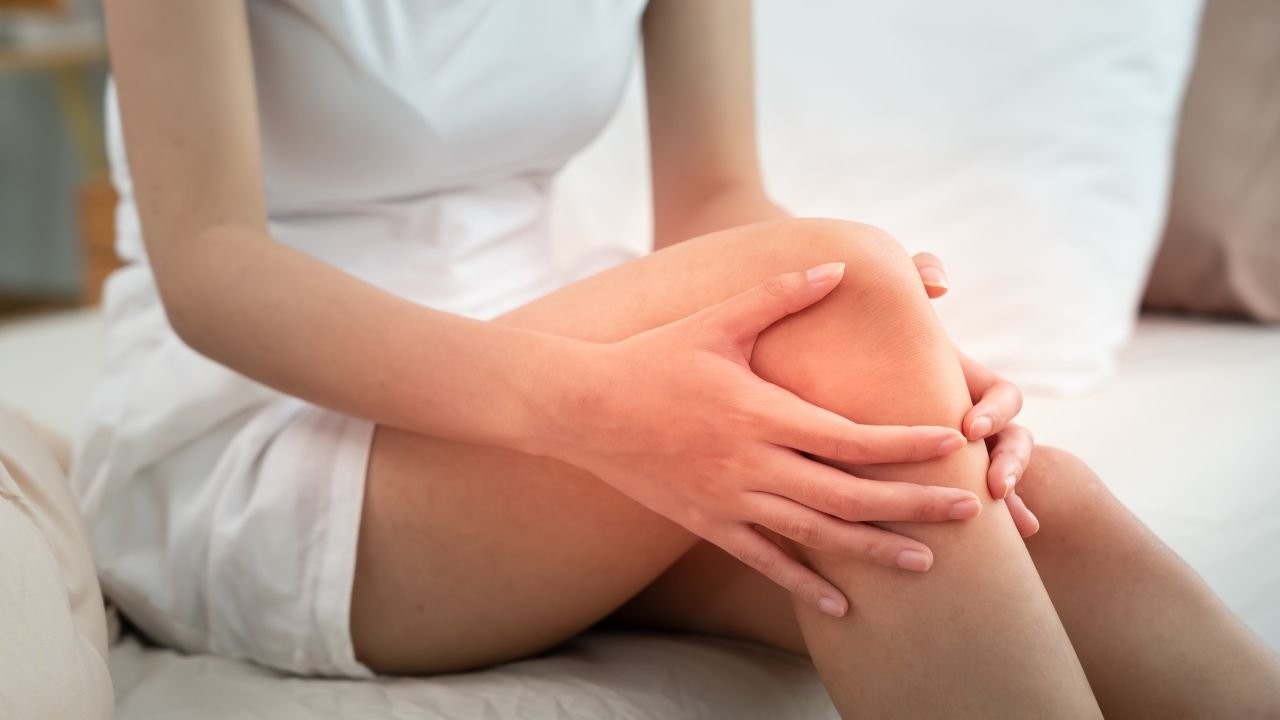
PRP knee recovery offers active individuals a path to pain relief without surgery or prolonged downtime. Platelet-rich plasma for chronic pain provides gradual healing that peaks months after treatment, requiring patience and proper rehabilitation for optimal outcomes.
This guide explains what patients should expect during each phase of active patient recovery, from initial injection through long-term results. Understanding the week by week rehab process helps active individuals plan activity modifications and return-to-sport timelines effectively.
Key Takeaways:
- PRP injections use your own blood components to support tissue healing and reduce knee inflammation naturally
- Recovery follows a predictable timeline with peak pain relief occurring at six months and lasting 12-18 months
- PRP costs $2,000-$3,600 for a typical three-injection series, but often lacks insurance coverage
- Active patients report a 60-70% chance of significant pain reduction lasting six to twelve months
- Physical therapy integration and activity modification during recovery maximize long-term treatment success
What Is PRP Injection And How Does It Support Knee Healing?
What Is Platelet-Rich Plasma And How Does It Work?
Platelet-rich plasma is an autologous blood product designed to support tissue healing and reduce inflammation in damaged knee structures. The treatment concentrates platelets from your own blood, then injects them directly into injured areas to trigger natural healing processes.
This regenerative therapy delivers growth factors that encourage tissue recovery rather than simply masking symptoms temporarily. The biological mechanism activates natural healing processes that conventional medications cannot replicate.
How Does PRP Compare To Hyaluronic Acid Injections?
PRP shows longer-lasting relief compared to HA injections, with effects peaking at six months and lasting 12-18 months. Hyaluronic acid provides faster initial relief with effects typically diminishing after six months.
PRP therapy for chronic pain uses your own biology to support tissue healing while HA provides joint lubrication without addressing underlying damage. PRP requires typically three sessions compared to HA’s three to five sessions for complete treatment protocols.
Choose PRP if: You want tissue healing rather than temporary symptom relief, you’re willing to invest in long-term outcomes, or you have moderate knee damage without severe bone-on-bone degeneration.
Choose HA when: You need faster initial relief, you have mild osteoarthritis, or you want a more affordable option with insurance coverage.
Who Benefits Most From PRP Knee Injections?
Patients with moderate knee osteoarthritis who want to avoid surgery represent ideal PRP candidates. Research shows 60-70% of recipients achieve significant pain reduction lasting six to twelve months.
Athletes and active individuals seeking tissue healing rather than temporary symptom management benefit most from this approach. Younger patients with mild to moderate degeneration typically respond better than those with severe bone-on-bone arthritis.
Why Do Active Patients Choose PRP Over Traditional Knee Pain Treatments?
What Are The Benefits Compared To Opioid And NSAID Treatments?
PRP addresses tissue damage directly while 76% of consumers prefer non-narcotic pain management over opioid-based approaches. Long-term NSAID use carries gastrointestinal and cardiovascular risks that regenerative therapy avoids completely.
NSAIDs may not provide sufficient relief for severe pain without addressing underlying tissue damage. Platelet-rich plasma offers a biological solution designed to support healing rather than merely suppress pain signals.
How Does PRP Align With Non-Surgical Pain Management Preferences?
The 64% preference for non-surgical interventions positions PRP within the fastest-growing segment of knee pain treatment. Physical therapy holds 52% of the non-surgical interventions market while injections like PRP and HA hold 24%.
This alignment with consumer preferences explains PRP’s 13.2% annual growth rate through 2033 in orthopedic applications. Patients increasingly seek treatments that allow rapid return to activity without surgical recovery periods. Knee pain treatment without surgery options for active Scottsdale residents provides detailed alternatives to invasive procedures.
What Are the Potential Risks Of PRP Treatment?
PRP causes post-injection soreness lasting several days as the concentrated platelets trigger localized inflammatory healing responses. This temporary discomfort differs fundamentally from surgical complications or long-term medication side effects.
The autologous nature of PRP eliminates allergic reaction risks since the treatment uses your own blood components. Infection risk remains minimal when proper sterile technique is followed during blood processing and injection.
How Should You Prepare For PRP Knee Injection?
What Pre-Injection Assessments Are Required?
Physicians conduct imaging studies and physical examinations to confirm PRP suitability for your specific knee condition. MRI or X-ray results help determine whether tissue damage falls within the treatable range for regenerative therapy.
Blood work may be ordered to assess platelet counts and overall health status before treatment begins. These assessments ensure candidates possess adequate platelet concentrations for effective therapeutic outcomes.
What Lifestyle Adjustments Are Needed Before Treatment?
Patients must discontinue anti-inflammatory medications two weeks before injection to avoid interfering with platelet function during healing. NSAIDs, aspirin, and corticosteroids can suppress the inflammatory response PRP intentionally triggers for tissue healing.
Maintaining proper hydration and nutrition supports optimal platelet quality before blood collection for processing. How to prepare for your first PRP treatment provides detailed guidance on pre-injection protocols that maximize treatment effectiveness.
What Is The Typical Cost and Insurance Coverage?
PRP budget prices range from $500-$600 per injection while mid-range options cost $1,000-$1,200 per injection. Premium providers charge $1,500-$2,500 per injection depending on facility reputation and physician expertise.
A complete series costs $2,000-$3,600 for the typically recommended three sessions over several months. PRP often lacks insurance coverage, requiring higher out-of-pocket costs than traditional covered treatments like physical therapy.
What Can You Expect During The First Week After PRP Injection?
The first week brings increased knee soreness as concentrated platelets initiate localized inflammation required for tissue healing. Patients should rest, ice the area, and avoid strenuous activity while the biological processes begin.
Pain may temporarily worsen before improvement begins, which frustrates patients expecting immediate relief from injection therapy. This initial inflammatory phase represents normal healing rather than treatment failure or complication. Active patient recovery requires understanding that tissue healing follows a biological timeline rather than immediate pain relief.
What to Do: Rest the knee, apply ice for 15-20 minutes several times daily, elevate when possible, and avoid anti-inflammatory medications that could interfere with healing.
What to Avoid: High-impact activities, prolonged standing or walking, anti-inflammatory medications, and excessive heat application.
How Does Recovery Progress In Weeks 2 To 4?
Weeks two through four show gradual pain reduction as initial inflammation subsides and tissue regeneration accelerates. Mobility improves incrementally during this phase, allowing return to light daily activities and modified exercise routines.
Patients should avoid high-impact activities that could disrupt healing tissue during this critical regeneration window. A patient’s experience with PRP injections illustrates typical progression through early recovery stages for knee pain treatment.
During this phase, gentle range-of-motion exercises help maintain flexibility without overwhelming healing tissues. Walking on level surfaces for short distances supports circulation without creating excessive stress on the recovering knee joint.
When Do Most Patients Notice Functional Improvements?
PRP effects peak at six months and last 12-18 months, requiring patience through the gradual healing process. Most patients notice meaningful functional improvements between three and six months after completing the injection series.
Athletes typically resume full sports participation around the six-month mark when tissue regeneration reaches maximum effectiveness. This timeline differs significantly from hyaluronic acid’s faster but shorter-lasting relief pattern.
Timeline Expectations:
- Weeks 1-2: Initial inflammatory response, temporary pain increase
- Weeks 3-6: Gradual pain reduction begins, light activities resume
- Months 2-3: Noticeable functional improvements, moderate activities possible
- Months 4-6: Peak effectiveness, return to most or all activities
- Months 6-18: Sustained relief with gradual decline
How Does Physical Therapy Support PRP Recovery?
Physical therapy referrals increased from 62% to 81% post-pandemic, reflecting growing recognition of rehabilitation’s critical role in treatment success. Structured exercise programs strengthen supporting muscles and optimize biomechanics while tissues heal from PRP treatment.
The importance of physical therapy becomes evident as patients who complete prescribed programs achieve better long-term outcomes than those who rely on injections alone. Therapists guide progressive loading that challenges healing tissues without overwhelming their regenerative capacity.
Physical therapists develop customized exercise protocols that address muscle imbalances, improve joint mechanics, and prevent compensatory movement patterns. This integrated approach ensures the knee joint functions optimally as tissues heal and strengthen over time.
Which Activities Should Be Modified During Recovery?
High-impact activities like running and jumping should be avoided during the first six weeks of PRP knee recovery. These movements create excessive stress on healing tissues before they’ve developed adequate structural integrity.
Patients should substitute low-impact alternatives like swimming or cycling that maintain cardiovascular fitness without compromising tissue healing. Gradual activity progression prevents re-injury while allowing patients to maintain active lifestyles during recovery.
Modify These Activities:
- Running → Walking or elliptical training
- Basketball/tennis → Swimming or cycling
- Squats with heavy weight → Bodyweight or light resistance exercises
- Long-distance hiking → Short, level walks
How Should You Monitor Progress And Report Concerns?
Regular follow-up appointments allow physicians to track healing progress through functional assessments and patient-reported outcome measures. Patients should document pain levels, mobility limitations, and activity tolerance using standardized scales for objective comparison.
Warning signs requiring immediate medical attention include severe swelling, fever, or sudden pain increases suggesting infection or complications. Persistent lack of improvement after three months may indicate need for treatment adjustment or alternative approaches.
Keep a recovery journal tracking daily pain levels (0-10 scale), activities performed, and any unusual symptoms. This documentation helps physicians identify patterns and adjust treatment protocols when necessary.
How Does PRP Recovery Compare To Hyaluronic Acid Injections?
Hyaluronic acid injections cost $500-$700 per injection at budget facilities or $1,000-$1,200 at premium centers. The national average HA price sits at $715 per injection, with series costs ranging from $1,500-$6,000 for three to five sessions.
HA provides faster initial symptom relief within days but requires more frequent repeat treatments as effects diminish. BMAC vs PRP: which regenerative treatment is right for you explains how different biologics offer distinct recovery profiles and durability.
PRP Advantages: Longer-lasting results (12-18 months vs. 6 months), tissue healing support, fewer repeat sessions needed
HA Advantages: Faster initial relief, lower per-injection cost, insurance coverage more common
How Does PRP Recovery Differ From Surgical Interventions?
Knee replacement averages $20,000-$30,000 with recovery taking three to six months for normal activities and up to one year for full recovery. Surgery entails significant costs and recovery times that prevent work and activity participation during extended rehabilitation.
Surgical interventions declined from 24% to 18% as first-line options as patients increasingly pursue non-surgical alternatives. PRP allows continued work and modified activity throughout the gentler recovery process, and research shows Can PRP help you avoid surgery in many moderate knee damage cases.
Choose Surgery When: You have severe bone-on-bone arthritis, conservative treatments have failed completely, or structural damage requires mechanical repair.
Choose PRP When: You have moderate damage, you want to delay or avoid surgery, or you need to maintain work and activity during treatment.
What Long-Term Outcomes Can Active Patients Expect?
A 58-year-old patient with moderate knee osteoarthritis received three PRP injections costing $3,000 out-of-pocket total. The patient reported 70% pain reduction at six months and successfully returned to jogging activities.
This case demonstrates how regenerative therapy delivers functional restoration that extends active lifestyles for years beyond initial treatment. Long-term success depends on maintaining healthy body weight, continuing strengthening exercises, and addressing biomechanical issues.
Success Factors:
- Proper patient selection (moderate damage, realistic expectations)
- Complete injection series as prescribed
- Adherence to physical therapy protocols
- Gradual activity progression
- Maintenance of healthy lifestyle habits
How Do Age and Activity Levels Affect PRP Success?
Millennials show 48% interest in PRP, while 55% of Generation X express interest in injection therapies for maintaining active lifestyles. Baby Boomers demonstrate 38% consideration for surgical interventions, reflecting more advanced disease progression in this age group.
Younger patients with mild to moderate damage and higher activity demands achieve better outcomes than older individuals with severe degeneration. Tissue quality and healing capacity naturally decline with age, affecting regenerative therapy effectiveness.
Highly active patients who maintain regular exercise programs and a healthy body weight optimize their recovery outcomes. Sedentary individuals may not achieve the same functional gains without addressing underlying muscle weakness and biomechanical issues.
What Factors Influence PRP Adoption And Access?
Millennials prefer non-opioid options at 62% rates, while 71% of Generation X and 58% of Baby Boomers share this preference. This cross-generational consensus drives market growth for regenerative approaches across all age segments.
Urban populations have access to advanced pain management services at 73% rates compared to 42% rural access to specialized care. Income levels above $100,000 report 82% access to full treatment spectrums, including advanced regenerative options.
Geographic and economic disparities create unequal access to regenerative therapies despite strong consumer interest across demographic groups. Cost considerations and insurance limitations require careful financial planning before beginning treatment.
What Makes ISPW’s Approach To PRP Recovery Different?
At Integrated Spine, Pain & Wellness, Dr. Ashu Goyle brings Cleveland Clinic fellowship training and double board certification to every regenerative therapy protocol. This elite expertise ensures precise injection technique using advanced ultrasound and fluoroscopy guidance for optimal platelet delivery.
ISPW’s opioid-free philosophy aligns perfectly with PRP’s non-narcotic approach to tissue healing and pain reduction. The practice integrates physical therapy protocols, nutritional guidance, and functional medicine principles to optimize recovery outcomes beyond what injections alone can achieve.
What Makes ISPW Different:
- Cleveland Clinic-trained physicians with interventional pain expertise
- Advanced imaging guidance for precise injection placement
- Integrated rehabilitation protocols with elite physical therapy partners
- Opioid-free treatment philosophy
- Personalized recovery plans addressing individual goals and timelines
When ISPW Is Right for You: You want expert-guided recovery with personalized protocols, you value physician expertise and advanced techniques, or you seek integrated care addressing all recovery factors.
When to Consider Alternatives: You need insurance coverage for all treatments, you prefer minimal physician interaction, or you have severe damage requiring surgical intervention.
Navigating Your PRP Knee Recovery Journey
PRP injection recovery requires understanding the gradual timeline, realistic outcome expectations, and commitment to rehabilitation protocols. Active patients who complete the full treatment series and maintain prescribed physical therapy achieve optimal long-term results.
The week-by-week rehab progression allows continued work and modified activity throughout the healing process, unlike surgical alternatives. Cost considerations and insurance limitations require careful financial planning before beginning treatment, particularly for patients needing multiple injection series.
Evidence supports PRP as an effective middle-ground option between conservative management and surgery for appropriate candidates with moderate knee damage. The 60-70% success rate in achieving meaningful pain reduction justifies the investment for patients seeking tissue healing rather than temporary symptom relief.
Understanding your specific recovery timeline and optimizing every phase maximizes the substantial investment in regenerative therapy. Patient commitment to rehabilitation protocols determines whether PRP delivers lasting functional restoration or disappointing short-term results.
Your body has a remarkable capacity to heal when provided with the right biological support and expert guidance. PRP harnesses this natural healing potential to restore function and reduce pain without surgery or long-term medication dependence.
Ready To Explore Whether PRP Knee Recovery Aligns With Your Active Lifestyle And Goals?
Contact our team to schedule an evaluation with Dr. Goyle and develop your personalized regenerative treatment plan designed to support lasting healing, not just temporary pain management.


