
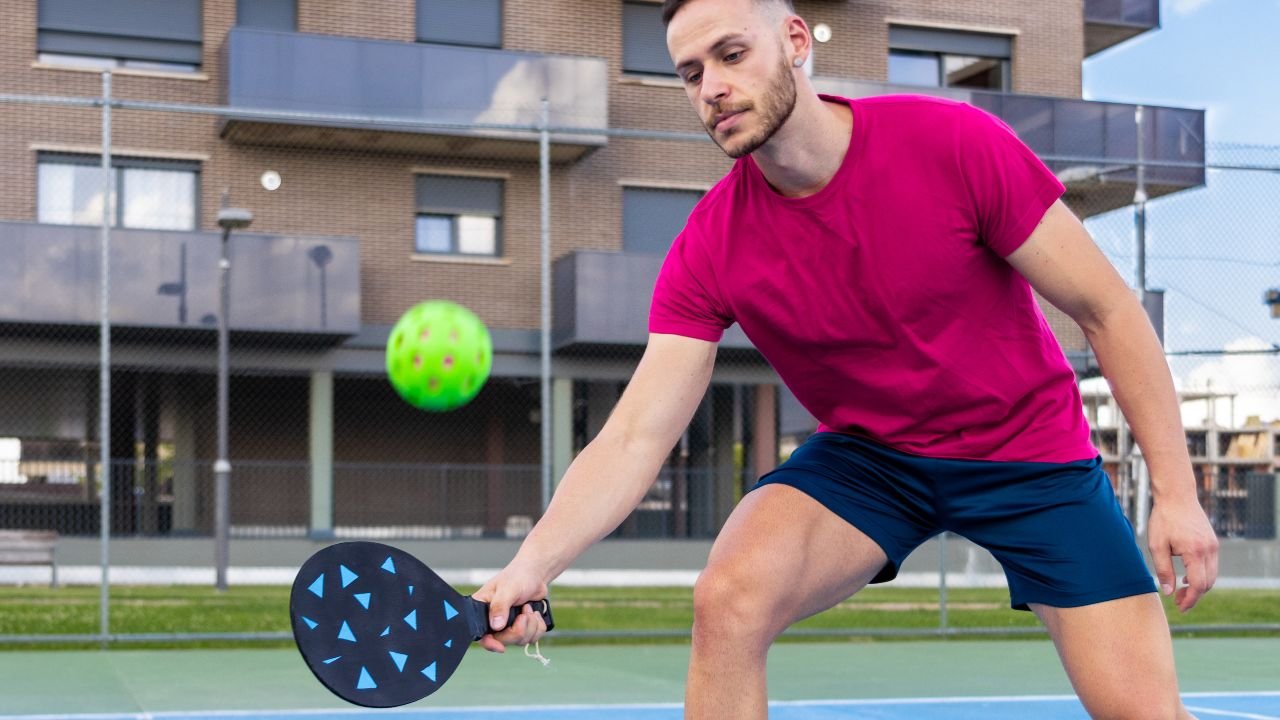
Scottsdale has become a national hub for pickleball, with courts and leagues expanding across retirement communities and recreation centers throughout the city. This growth in participation has coincided with a notable increase in player injuries requiring medical attention. Players aged 50 and older account for the majority of documented cases, reflecting both the sport’s demographic appeal and the physical demands it places on aging joints and tendons.
Understanding the patterns behind these injuries helps players make informed decisions about prevention, treatment, and return to play. Lower extremity conditions dominate injury reports, while upper extremity issues present unique challenges requiring specialized care. Whether you’re managing a new injury or addressing chronic pain limiting your court time, evidence-based treatment pathways exist for every severity level.
Key Takeaways:
- Lower extremities account for approximately 60% of pickleball injuries, with meniscus tears and Achilles tendon conditions among the most common
- Players aged 50 and older represent the majority of injury cases, with distinct patterns emerging between age groups and genders
- Most patients begin treatment through outpatient orthopedic clinics rather than emergency departments
- Conservative management through rehabilitation and conditioning shows strong results for many shoulder and joint conditions
- Preventive strategies combining proper equipment, biomechanical assessment, and targeted conditioning reduce injury risk
What Is Pickleball, And Who Plays In Scottsdale?
Overview Of Pickleball As A Sport
Pickleball combines elements of tennis, badminton, and table tennis on a smaller court with a perforated plastic ball. The sport requires rapid lateral movements, sudden pivots, and overhead strokes that place significant stress on joints and tendons. These movement patterns create unique demands on the musculoskeletal system, particularly for players returning to competitive activity after years of reduced athletic participation.
The smaller court size intensifies the need for quick directional changes that stress ligaments and tendons differently than tennis or squash. Overhead dinking and smash shots involve shoulder rotation patterns that challenge the rotator cuff, especially in players with limited conditioning or previous shoulder issues.
Demographics Of Scottsdale Pickleball Players
Scottsdale’s concentration of active retirees and year-round favorable climate has made the city a premier destination for the sport. The majority of injury cases involve players aged 50 and older, though younger demographics show growing participation rates. This age distribution reflects pickleball’s appeal as a less physically demanding alternative to tennis while still providing competitive play and social engagement.
Players under 50 represent a growing segment experiencing different injury patterns than older participants. Acute sprains and ankle strain cases appear more frequently in this younger demographic compared to degenerative conditions common in older players.
Growth Of Pickleball Courts And Leagues In Scottsdale
Scottsdale has expanded its pickleball infrastructure over the past several years, with new facilities opening at community centers, parks, and private clubs. This geographic concentration of participation in active retirement hubs creates demand for specialized orthopedic care as providers adapt to handle the influx of patients with pickleball injuries.
What Are The Most Common Pickleball Injuries?
Lower Extremity Injuries: Meniscus Tears And Achilles Ruptures
Lower extremities bear approximately 60% of all pickleball injuries due to the sport’s movement demands. Meniscus tears and Achilles tendon ruptures both result from twisting motions and explosive push-offs during play. These injuries often occur during sudden directional changes or when players push off to reach a shot near the baseline.
Knee sprain cases frequently develop from lateral movements and pivoting actions that stress the medial collateral ligament and other stabilizing structures. Exacerbation of osteoarthritis represents another common presentation, as sudden starting and stopping aggravates underlying joint degeneration in players with pre-existing conditions.
Choose conservative management if: Your injury involves mild to moderate pain without significant joint instability or mechanical symptoms like locking or catching.
Choose advanced imaging and specialist consultation when: You experience severe pain, immediate swelling, inability to bear weight, or persistent symptoms beyond two weeks of rest and basic care.
Upper Extremity Injuries: Wrist Fractures And Epicondylitis
Upper extremity damage represents approximately 35% of all pickleball injuries. Wrist fractures occur almost exclusively from falls where players extend their hands to break impact against the court surface. These fractures most commonly affect the distal radius and require prompt evaluation to ensure proper alignment and healing.
Epicondylitis, commonly called “pickleball elbow,” develops from repetitive paddle strokes that strain forearm tendons. This overuse condition creates pain on the outer or inner elbow depending on which tendon group is affected. Players experiencing golfer’s and tennis elbow patterns benefit from targeted treatment addressing the underlying tendon degeneration.
Injury Mechanisms Unique To Pickleball Movements
Rapid lateral movements and sudden pivots in pickleball create injury risks distinct from other racquet sports. The small court size requires quick directional changes that stress ligaments and tendons in patterns different from tennis or badminton. Players transitioning from other sports may underestimate these demands and push beyond their current conditioning level.
Overhead dinking and smash shots involve shoulder rotation patterns that can strain the rotator cuff in players with limited conditioning. These repetitive overhead motions combine with the explosive nature of smash shots to create cumulative stress on shoulder structures, particularly in players who haven’t maintained consistent upper body strength.
Who Is Most At Risk For Pickleball Injuries?
Age-Related Injury Patterns In Pickleball
Rotator cuff tears appear most commonly in individuals over 50 due to progressive tendon degeneration that occurs naturally with aging. Progressive wear and tear of tendon tissue increases vulnerability to complete ruptures during overhead shots, even with movements that wouldn’t cause injury in younger players. Shoulder pain solutions tailored to age-related changes help players address these conditions effectively.
The younger demographic under 50 experiences different patterns, with acute sprains and strains more prevalent than degenerative conditions. These players more commonly present with ligament injuries from explosive movements rather than tendon failures from cumulative wear.
Gender Differences In Injury Types And Frequency
Women demonstrate higher rates of wrist fractures from falls compared to men, likely related to both biomechanical factors and bone density differences. Postmenopausal women face a particular risk due to decreased bone mineral density that increases fracture susceptibility even from relatively minor falls.
Men more frequently present with sprains and strains affecting knees and ankles. These gender-specific patterns reflect both biomechanical differences and varying response mechanisms during loss of balance on court.
Impact Of Preexisting Conditions On Injury Risk
Players with existing osteoarthritis face an elevated risk of symptom exacerbation during play. Chronic conditions affecting joint stability, tendon health, or bone density compound the physical demands of pickleball’s movement patterns. Those managing diabetes, rheumatoid arthritis, or previous joint injuries require careful assessment before beginning or returning to competitive play.
Metabolic conditions affecting tissue healing and inflammatory response also influence injury risk and recovery timelines. Players with these underlying conditions benefit from a comprehensive evaluation addressing both the acute injury and the systemic factors affecting healing capacity.
How Are Pickleball Injuries Diagnosed And Treated In Scottsdale?
Initial Clinical Pathways: Orthopedic Clinics vs Emergency Rooms
Most pickleball injuries begin treatment in outpatient orthopedic clinics rather than emergency departments. This pattern reflects the predominance of overuse conditions and moderate acute injuries that don’t require immediate emergency intervention. Emergency department presentations typically involve acute fractures, severe tears, or complications requiring immediate stabilization.
Scottsdale’s concentration of specialized orthopedic providers allows many patients to access timely outpatient care without emergency room delays. Players experiencing persistent pain, swelling, or functional limitations benefit from prompt evaluation by specialists familiar with common sports injuries patterns.
Choose urgent care or emergency evaluation if: You experience severe pain, obvious deformity, inability to bear weight or use the affected limb, or signs of nerve damage like numbness or tingling.
Choose outpatient orthopedic consultation when: Symptoms develop gradually over days or weeks, pain is manageable with over-the-counter medication, and you maintain some functional capacity despite discomfort.
Conservative Management: Physical Therapy And Bracing
Initial rehabilitation evaluation provides comprehensive assessment of movement patterns, strength deficits, and contributing factors. The importance of physical therapy in recovery cannot be overstated, as targeted exercises address both the acute injury and underlying weaknesses that may have contributed to the problem.
Standard treatment programs typically span 8-12 weeks with progressive exercise protocols designed to restore function and prevent recurrence. Conservative treatment allows many common sports injuries to resolve without surgical intervention while building strength and resilience that reduce future injury risk.
Bracing and supportive equipment provide mechanical stability during healing and return to play. Budget options offer basic compression and warmth, while premium braces provide adjustable stabilization for players with more significant instability or recurrent injury patterns.
Surgical Interventions And Recovery Protocols
Complete rotator cuff tears requiring reconstruction may need surgical intervention when conservative management doesn’t restore function. Options range from arthroscopic procedures to open techniques depending on tear severity and tissue quality. Surgical decision-making considers tear size, patient age, activity goals, and tissue health factors affecting healing potential.
Recovery timelines vary significantly based on procedure type and individual healing factors. Arthroscopic procedures typically allow faster return to activity compared to open techniques, though outcomes depend heavily on patient compliance with post-operative rehabilitation protocols.
When Should You Seek Specialist Care For Pickleball Injuries?
Signs Of Severe Injuries Requiring Orthopedic Consultation
Some rotator cuff injuries remain relatively asymptomatic until significant progression occurs, delaying necessary treatment. Sudden profound weakness following an injury indicates possible complete tear requiring prompt consultation. Permanent muscle atrophy risk exists if complete tears aren’t addressed appropriately within weeks of injury.
Mechanical symptoms like locking, catching, or giving way suggest structural damage requiring specialist evaluation. Players experiencing these symptoms should seek consultation rather than continuing to play through them, as continued activity with unstable joints can worsen the underlying damage.
Imaging and Diagnostic Tools Used By Specialists
MRI imaging provides definitive diagnosis of soft tissue tears and cartilage damage not visible on standard X-rays. Advanced imaging distinguishes between partial and complete rotator cuff tears, guiding treatment decisions and helping predict recovery timelines based on tear characteristics.
Ultrasound-guided evaluation provides real-time assessment during dynamic shoulder movements, identifying instability patterns not visible on static MRI scans. This dynamic imaging helps practitioners understand how structures function during actual movement rather than just their appearance at rest.
Advances In Surgical Techniques Including Robotic Assistance
FDA-approved robotic systems enhance surgical precision during complex rotator cuff procedures and joint reconstruction. These systems reduce tissue trauma and improve implant positioning, potentially supporting better long-term outcomes. Robotic assistance represents one advancement in a broader trend toward minimally invasive approaches prioritizing tissue preservation.
Stem cell therapy and other regenerative approaches offer alternatives for players seeking to avoid or delay surgical intervention. These treatments use the body’s natural healing factors to support tissue repair and may help certain patients restore function without surgery.
How Can Players Prevent Pickleball Injuries And Speed Recovery?
Role Of Injury Prevention Equipment And Bracing
Budget shoulder braces provide basic compression and warmth, offering mild support during play and recovery. Mid-range options include adjustable stabilization features allowing players to customize support levels based on activity demands. Premium braces provide maximum mechanical support during athletic activity, particularly beneficial for players with previous injuries or chronic instability.
Ankle bracing similarly ranges from simple compression sleeves to rigid supports with lateral stabilizers. Players with history of ankle strain benefit from prophylactic bracing during play, particularly on hard court surfaces where lateral movements create high ankle stress.
Importance Of Physical Therapy And Conditioning
Most Americans have either received or considered physical therapy for injury management or prevention, reflecting growing recognition of its role in maintaining function. Players demonstrate high likelihood to use rehabilitation both for injury recovery and for injury prevention, understanding that targeted conditioning reduces recurrence risk.
For conditions like epicondylitis, targeted strengthening exercises reduce recurrence risk and improve long-term joint health. Progressive resistance training addressing the affected tendons and supporting muscle groups helps players return to play with greater resilience than before injury.
Biomechanical Assessment And Proactive Care
Comprehensive movement screening identifies weakness patterns and mobility restrictions before injuries occur. Evaluating stride mechanics, shoulder rotation, and core stability allows practitioners to prescribe corrective exercises addressing deficits that predispose players to injury.
Regenerative approaches for early arthritis combined with conditioning programs address tissue quality while improving functional capacity. Players active after 50 particularly benefit from proactive interventions that preserve joint function and extend playing careers.
Choose preventive screening if: You’re returning to pickleball after time away, have history of joint injuries, or want to maximize your playing longevity through targeted conditioning.
Choose reactive treatment when: You’re already experiencing symptoms limiting your play or daily function and need immediate intervention to restore baseline activity.
What Are The Challenges And Opportunities In Managing Pickleball Injuries In Scottsdale?
Healthcare System Adaptations To Rising Injury Rates
Growing participation rates have increased demand for orthopedic care and rehabilitation services across Scottsdale. The global sports medicine market continues expanding, reflecting growing demand for specialized care and advanced treatment options. Sports injury care services represent a significant portion of this market, driven by both professional athletics and recreational sport participation.
Regional healthcare systems continue adapting to handle increased patient volumes while maintaining quality care. Specialized sports medicine clinics focusing on pickleball and other racquet sports have emerged to meet demand from Scottsdale’s active population.
Consumer Preferences For Conservative vs Surgical Care
Rehabilitation offers strong value combining reasonable timeframes with minimal invasiveness and good outcomes for many conditions. Conservative management allows players to continue modified activity during treatment while building strength that reduces future injury risk.
Surgery provides definitive treatment for complete tears and structural damage not responsive to conservative care, though recovery timelines extend significantly compared to rehabilitation alone. Consumer preference for conservative treatment may delay necessary surgical intervention in some cases, potentially allowing treatable partial tears to progress to complete ruptures requiring more extensive reconstruction.
Integration Of Technology In Treatment And Rehabilitation
Advanced biomechanical analysis using motion capture and force plate technology enables practitioners to identify subtle deficits affecting return-to-play readiness. These objective measurements help determine when players have restored sufficient strength, balance, and movement quality to safely resume competition.
Wearable technology tracking training load and movement patterns helps players avoid overtraining that leads to overuse injuries. Smart monitoring systems alert players when cumulative stress reaches levels associated with increased injury risk, allowing them to modify activity before problems develop.
Pickleball Injuries In Scottsdale: Balancing Active Play With Effective Recovery
Scottsdale’s pickleball community faces unique challenges as participation grows among active older adults seeking lifelong mobility. Understanding injury patterns, accessing timely specialist care, and committing to comprehensive rehabilitation enable most players to return to court safely.
Prevention strategies combining proper conditioning, supportive equipment, and biomechanical assessment reduce injury risk significantly. Whether managing a knee sprain, addressing chronic ankle strain, or recovering from surgical intervention, evidence-based treatment pathways exist for every injury severity level. Players experiencing persistent pain limiting court performance have access to specialized approaches, including knee pain treatment without surgery that provide alternatives to lengthy recovery periods.
Integrated Spine, Pain & Wellness offers comprehensive evaluation and treatment for pickleball injuries, combining advanced diagnostics with regenerative medicine options designed to support your body’s natural healing capacity. Dr. Ashu Goyle, double board-certified and Cleveland Clinic fellowship-trained, brings specialized expertise in treating active individuals who refuse to accept pain as a permanent limitation.
Ready to get back on the court? Schedule your consultation today to develop a personalized treatment plan addressing your specific injury and activity goals.


