
Regenerative medicine shifts the focus from symptom management to addressing root causes by harnessing the body’s natural healing mechanisms. The choice between BMAC versus PRP represents a critical decision point for patients seeking alternatives to surgery or chronic medication use. Both therapies extract healing components from your own tissues, concentrate them, and redirect them to injured areas.
These autologous treatments eliminate rejection risks while offering biological repair rather than temporary relief. Understanding the regenerative treatments comparison helps patients and clinicians select the most appropriate intervention. Cost, invasiveness, cellular composition, and clinical evidence all influence treatment effectiveness for specific orthopedic conditions.
Key Takeaways:
- PRP costs $500-$2,500 per treatment, while BMAC ranges from $3,000-$7,000 depending on complexity and location
- PRP delivers concentrated growth factors for mild to moderate tendonitis, while BMAC provides stem cells for severe joint degeneration
- Clinical studies show comparable long-term outcomes for knee osteoarthritis, but BMAC may offer advantages in advanced cases
- Both treatments use autologous components, minimizing rejection risks and providing alternatives to surgery or long-term medication
- Treatment selection depends on injury severity, patient age, activity goals, and budget considerations
What Are BMAC And PRP Therapies?
Both treatments harvest biological materials from the patient’s own body to promote tissue repair. PRP focuses on concentrated platelets from blood, while BMAC delivers stem cells from bone marrow. These pain therapy options work by amplifying your body’s natural response to injury.
How Is PRP Prepared And Used?
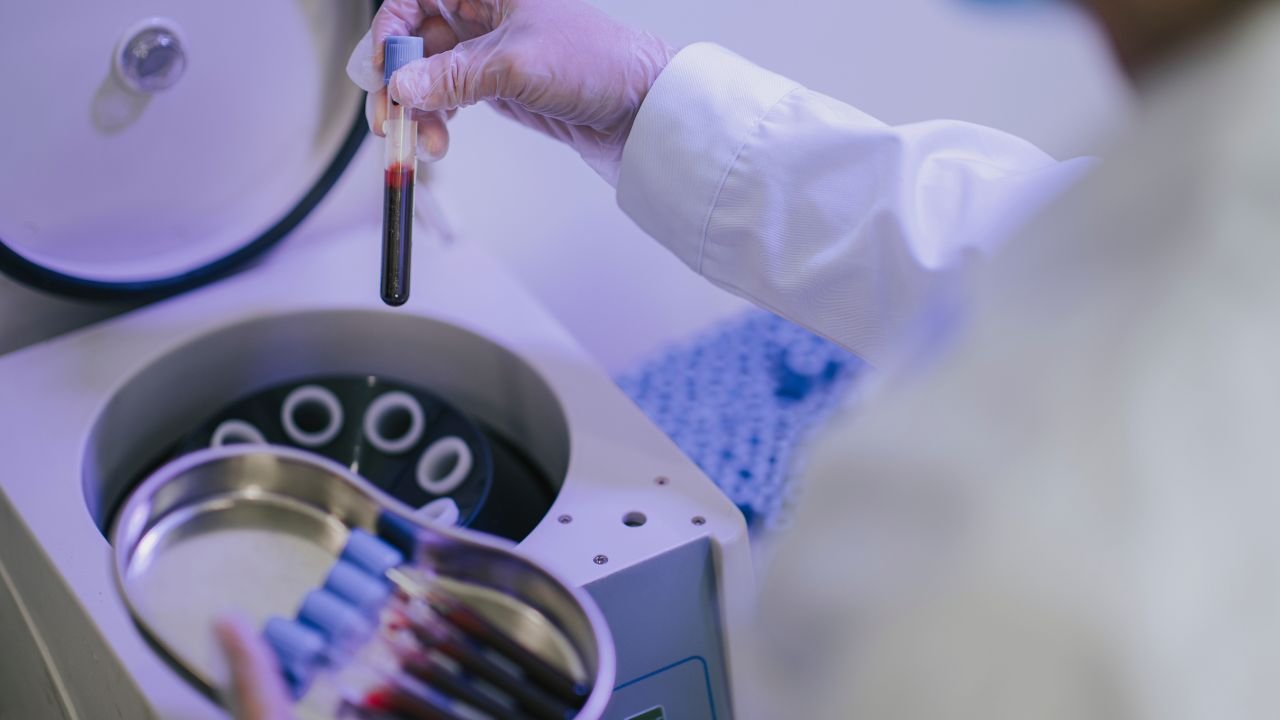
PRP therapy involves drawing the patient’s blood, centrifuging it to concentrate platelets, and injecting the resulting plasma into the injured area. The entire preparation takes approximately 30 minutes from blood draw to injection. Platelets contain high concentrations of growth factors and cytokines that stimulate tissue repair and modulate inflammation.
The concentration process increases platelet counts 3-5 times above baseline levels. This amplification delivers therapeutic doses of PDGF, TGF-β, VEGF, and other healing proteins directly to damaged tissues. Ultrasound guidance ensures precise placement at the injury site.
What Does BMAC Consist Of And How Is It Administered?
BMAC therapy involves aspirating bone marrow from the iliac crest, centrifuging it to concentrate cellular components, and injecting it into the target area. The procedure requires local anesthesia and takes approximately 90 minutes to complete. BMAC contains mesenchymal stem cells, hematopoietic stem cells, platelets, and various growth factors.
The bone marrow aspiration extracts raw material containing multiple cell types with regenerative potential. Concentration systems separate these therapeutic cells from other components, creating a highly potent injection. The final product includes 2-6 times the baseline concentration of stem cells and growth factors.
What Are The Key Differences Between BMAC And PRP?
PRP offers minimal invasiveness with lower cost and faster procedure times. BMAC requires bone marrow aspiration but delivers higher concentrations of stem cells and growth factors. PRP provides effects typically lasting 6-12 months compared to BMAC’s longer duration.
PRP works best for mild to moderate conditions, while BMAC addresses severe degenerative changes. BMAC contains mesenchymal stem cells capable of differentiating into cartilage, bone, and connective tissue. PRP delivers growth factors primarily without the cellular differentiation potential of BMAC.
Choose PRP if: You have mild to moderate tendonitis, early-stage arthritis, or want a less invasive option with lower upfront cost.
Choose BMAC when: You have moderate to severe joint degeneration, previous PRP treatments failed, or you need maximum regenerative potential for large tissue defects.
How Do BMAC And PRP Harness The Body’s Healing Mechanisms?
Both therapies deliver concentrated body healing resources that would naturally occur in lower concentrations during injury response. The amplification accelerates repair and reduces chronic inflammation. Understanding these mechanisms helps predict which treatment suits specific conditions.
What Growth Factors And Cells Are Involved In PRP?
Autologous plasma therapy delivers concentrated growth factors including PDGF, TGF-β, and VEGF to damaged tissues. These proteins signal cells to migrate to injury sites and begin reconstruction. Platelets also release cytokines that modulate inflammation, shifting the environment from chronic inflammation to active healing.
PDGF stimulates fibroblast proliferation and collagen production. TGF-β regulates cell differentiation and tissue remodeling. VEGF promotes angiogenesis, bringing blood supply to healing tissues. The combined effect creates an optimal biological environment for repair.
What Stem Cells And Components Are Present In BMAC?
Autologous cell therapy delivers mesenchymal stem cells and high concentrations of growth factors to injured joints and tendons. MSCs can differentiate into cartilage, bone, and connective tissue cells based on local signals. These multipotent cells also exert immunomodulatory effects that reduce destructive inflammation in degenerative conditions.
BMAC contains 2,000-6,000 colony-forming units per milliliter of MSCs. These cells respond to chemical signals at the injection site, differentiating into the cell types needed for structural repair. The combination of cellular and growth factor components makes BMAC particularly effective for advanced degeneration.
How Do These Components Affect Tissue Regeneration?
Growth factors stimulate fibroblast proliferation, collagen synthesis, and angiogenesis at injury sites. Stem cells in BMAC provide additional regenerative potential by replacing damaged cells with healthy functional tissue. Both mechanisms work synergistically when combining these treatments in severe cases.
The healing cascade begins within hours of injection. Growth factors trigger immediate cellular responses while stem cells integrate over weeks to months. Maximum benefits typically appear 3-6 months post-treatment as new tissue matures and remodels.
Who Are The Ideal Candidates For BMAC And PRP Treatments?
Patient selection depends on injury severity, tissue type affected, and overall health status. Age, activity level, and previous treatment failures also influence candidacy decisions. Proper patient matching maximizes outcomes and satisfaction.
Which Conditions Are Best Treated With PRP?
PRP therapy for chronic pain excels in treating tennis elbow, plantar fasciitis, Achilles tendinopathy, and patellar tendinopathy. Lateral epicondylitis responds particularly well, with PRP demonstrating superior long-term outcomes compared to corticosteroid injections. Early-stage knee and shoulder arthritis also responds when cartilage loss remains mild.
Rotator cuff tendonitis, IT band syndrome, and hamstring strains benefit from PRP’s anti-inflammatory and healing effects. The treatment works best when structural damage is limited and tissue still has adequate blood supply for healing.
When Is BMAC Recommended Over PRP?
BMAC therapy for knee osteoarthritis offers advantages when PRP has failed or cartilage damage is extensive. Patients with Kellgren-Lawrence Grade 3 or 4 arthritis benefit more from the cellular components in BMAC. Large rotator cuff tears and complex tendon injuries requiring structural regeneration also favor BMAC selection.
Determining if BMAC therapy is right for you involves assessing damage severity, healing potential, and functional goals. Patients with bone-on-bone arthritis, avascular necrosis, or multiple failed conservative treatments typically need BMAC’s enhanced regenerative capacity.
How Do Patient Demographics Influence Treatment Choice?
Younger patients with acute injuries typically respond better to PRP due to higher baseline healing capacity. Older patients with degenerative conditions and multiple comorbidities may require BMAC’s enhanced regenerative potential. Activity level and return-to-sport goals also guide treatment selection based on durability requirements.
Age affects stem cell concentrations in bone marrow, with younger patients yielding higher cell counts. However, even older patients benefit from BMAC’s growth factor concentrations and immunomodulatory effects. Overall health, smoking status, and nutrition all impact healing regardless of treatment choice.
How Do Costs And Access Impact Treatment Decisions?
Financial considerations and geographic availability significantly influence whether patients pursue regenerative treatments. Most treatments are considered elective or experimental by insurance companies and require out-of-pocket payment. Understanding regenerative medicine costs helps patients plan financially.
What Are The Price Ranges For BMAC And PRP?
- PRP Budget Option: $500-$750 per injection for basic preparations without imaging guidance. This entry-level option uses standard centrifugation protocols and manual injection techniques. Multiple treatments may be necessary.
- PRP Mid-Range Option: $1,000-$1,200 typically includes ultrasound-guided injection for precise placement. Advanced concentration systems improve platelet yields and growth factor consistency.
- PRP Premium Option: $1,500-$2,500 for advanced formulations with multiple injection sites or combination protocols. Some clinics offer leukocyte-rich or leukocyte-poor preparations optimized for specific conditions.
- BMAC Budget Option: $3,000-$3,600 for single-site treatment with standard concentration protocols. This represents the minimum viable BMAC treatment with basic imaging guidance.
- BMAC Mid-Range Option: $4,600-$5,200 includes comprehensive imaging and post-procedure monitoring. Advanced concentration systems and ultrasound guidance increase costs but improve outcomes.
- BMAC Premium Option: $6,000-$7,000+ for complex multi-site treatments or combination with PRP and other biologics. Highest-quality concentration systems and extensive follow-up care justify premium pricing.
How Does Geographic Location Affect Availability?
Metropolitan areas show 60% or higher adoption rates among eligible patients due to provider concentration. Scottsdale benefits from above-average availability of regenerative medicine specialists with advanced training. Rural populations face adoption rates below 25% due to limited specialist availability and transportation challenges requiring travel to urban centers.
Geographic clustering of providers in affluent areas reflects both patient demand and reimbursement realities. Cash-pay models concentrate services where patient populations can afford them.
What Factors Influence Consumer Preferences?
Patients prioritize documented outcomes and treatment effectiveness above all other decision factors. Safety profiles and adverse event risks rank second in importance for most consumers. Cost considerations create significant barriers despite strong efficacy data due to limited insurance coverage.
Active individuals value return-to-sport timelines and durability of results. Health-conscious professionals seek evidence-based approaches with predictable outcomes. Both groups respond to transparent pricing and clear expectations around recovery timelines.
What Is The Clinical Evidence Supporting BMAC And PRP For Orthopedic Conditions?
Randomized controlled trials and systematic reviews provide growing support for both therapies in specific applications. Evidence quality varies by condition treated and preparation protocols used. Understanding this research helps set realistic expectations.
How Effective Is PRP For Tendonitis And Mild Osteoarthritis?
Tissue healing occurs in up to 71% of patients receiving PRP for rotator cuff injuries based on imaging confirmation. Results prove more variable for larger tendons like the Achilles and patellar, requiring longer healing timelines. Success rates depend on combining PRP versus bone marrow therapy with structured eccentric loading rehabilitation programs.
PRP provides superior long-term relief lasting 3 months to 2 years compared to corticosteroid injections for tennis elbow. Studies show 60-80% of patients experience significant pain reduction and functional improvement. The treatment works best when combined with physical therapy and activity modification.
What Are The Outcomes Of BMAC For Severe Orthopedic Injuries?
BMAC therapy for knee osteoarthritis resulted in more significant improvements than PRP over 12 months in advanced cases. Patients with Kellgren-Lawrence Grade 3 or 4 arthritis showed greater functional gains with BMAC. The higher concentration of growth factors and stem cells in BMAC preparations explains these advantages.
Complex rotator cuff tears benefit from BMAC’s cellular regeneration potential. Patients with full-thickness tears larger than 3cm demonstrate better healing rates with BMAC compared to PRP alone. The stem cells contribute structural repair while growth factors modulate inflammation.
How Do BMAC And PRP Compare In Knee Osteoarthritis Treatment?
A landmark two-year prospective randomized trial found no statistically significant difference between PRP and BMAC at 12 or 24 months for knee osteoarthritis. Both treatments improved patient-reported outcomes compared to baseline measurements. Mild to moderate arthritis responds equally well to either therapy based on current evidence.
The study enrolled patients with Kellgren-Lawrence Grades 2-3 arthritis. Both groups showed sustained improvements in WOMAC scores and pain reduction. The lack of difference suggests PRP may offer better value for early to moderate degeneration.
How Is The Preparation And Standardization Of BMAC And PRP Evolving?
Variability in preparation protocols creates inconsistent results across clinical studies and treatment centers. Industry efforts focus on standardizing formulations to improve reproducibility and outcomes. These advances will improve predictability as the field matures.
What Protocols Exist For PRP Formulation?
Variable results depending on PRP preparation methods create challenges comparing clinical trials and outcomes. Variability in platelet and leukocyte concentrations makes clinical trial comparisons difficult across different studies. Leukocyte-rich versus leukocyte-poor formulations demonstrate different inflammatory profiles and may suit different conditions.
Single-spin systems produce lower platelet concentrations but faster processing. Double-spin systems achieve higher concentrations but require more processing time. Some conditions respond better to leukocyte-rich PRP while others benefit from leukocyte-poor preparations.
What Advances Are Being Made In BMAC Processing?
Arthrex Autologous Blood Recovery System and Zimmer Biomet BMAC concentration systems represent current industry standards. These automated systems reduce operator-dependent variability in cell counts and growth factor concentrations. Point-of-care devices enable same-day processing without requiring off-site laboratory facilities.
Newer systems incorporate filtration steps that remove unwanted cell types while preserving therapeutic components. Quality control testing ensures minimum viable cell counts before injection. These improvements increase consistency and predictability.
How Do Standardization Efforts Improve Treatment Consistency?
The need for standardizing preparation protocols has driven development of evidence-based guidelines for specific conditions. Professional societies now recommend specific platelet concentrations and cell counts for different orthopedic applications. Standardization enables better outcome prediction and insurance coverage expansion as evidence quality improves.
FDA guidance on minimal manipulation requirements clarifies regulatory requirements for orthobiologic products. Clear standards help clinicians select appropriate protocols and set patient expectations based on published evidence.
What Are The Future Trends In Regenerative Medicine For BMAC And PRP?
The global regenerative medicine market was valued at approximately $88.36 billion in 2025. The market is projected to reach between $340 billion and $403.86 billion by 2032-2035. Market growth accelerates at a CAGR of 16.72% to 25.1% depending on specific segments.
Which Companies Lead The Market For Orthobiologics?
Stryker’s orthobiologics portfolio includes comprehensive PRP and bone graft substitute solutions for surgical applications. Medtronic tissue engineering solutions integrate regenerative products with minimally invasive surgical techniques. Arthrex and Zimmer Biomet dominate the point-of-care concentration systems market for orthopedic practices.
These companies invest heavily in clinical research and physician education. Market leaders provide training programs, outcome tracking systems, and technical support that improve adoption and results.
What Innovations Are Expected In Therapy Delivery?
Combination protocols using both PRP and BMAC sequentially show promise in severe cases. Advanced imaging guidance including fluoroscopy and MRI navigation improves injection precision. Bioengineered scaffolds combined with autologous cells may enhance structural support in large defects.
Genetic profiling may eventually guide personalized treatment selection based on healing capacity markers. Biomarker analysis could predict which patients respond best to specific regenerative approaches.
How Is The Field Addressing Health Equity And Access?
Geographic disparities in access to treatment remain a significant barrier to equitable regenerative medicine adoption. Telehealth consultations and mobile treatment units could expand rural access in the coming years. Insurance coverage expansion will require larger studies demonstrating cost-effectiveness compared to surgery.
Efforts to reduce costs through protocol standardization and streamlined processing may improve accessibility. Some practices offer financing options or sliding scale fees to expand access.
BMAC And PRP Therapies As Complementary Approaches In Regenerative Orthopedic Care
Both BMAC and PRP harness body healing resources to address orthopedic injuries through distinct mechanisms and applications. PRP offers an accessible, cost-effective solution for tendonitis and early arthritis with minimal invasiveness. BMAC provides enhanced regenerative potential for severe degeneration through stem cell delivery and higher growth factor concentrations.
Treatment selection requires careful evaluation of injury severity, patient goals, and financial considerations. Clinical evidence supports both therapies for specific indications, though standardization efforts continue improving outcome predictability. The regenerative medicine field will likely see expanded insurance coverage and refined protocols as market growth continues through the next decade.
What Makes ISPW Different: At Integrated Spine, Pain & Wellness, we combine Cleveland Clinic-trained expertise with advanced regenerative protocols tailored to your specific condition. Dr. Ashu Goyle’s double board certification in Anesthesiology and Pain Medicine means you receive treatment from one of Arizona’s most qualified interventional pain specialists. We use state-of-the-art concentration systems and ultrasound guidance to maximize treatment effectiveness.
When You Should Choose Us: You’re an active individual refusing to accept pain as permanent. You’ve tried traditional treatments that provided only temporary relief. You value evidence-based medicine delivered by fellowship-trained specialists. You want a physician who spends time understanding your goals and crafting personalized treatment plans.
When We’re Not a Fit: You prefer insurance-driven care with minimal out-of-pocket costs. You’re seeking immediate pain relief rather than long-term healing. You’re unable to commit to post-treatment rehabilitation protocols essential for optimal outcomes.
For personalized guidance on selecting between BMAC and PRP therapies based on your specific condition, schedule a consultation with our regenerative medicine specialists. We provide transparent cost breakdowns, realistic outcome expectations, and evidence-based treatment recommendations.
Don’t let chronic pain steal another day of the active lifestyle you deserve—discover how regenerative medicine can help you heal naturally and reclaim the activities you love.


