
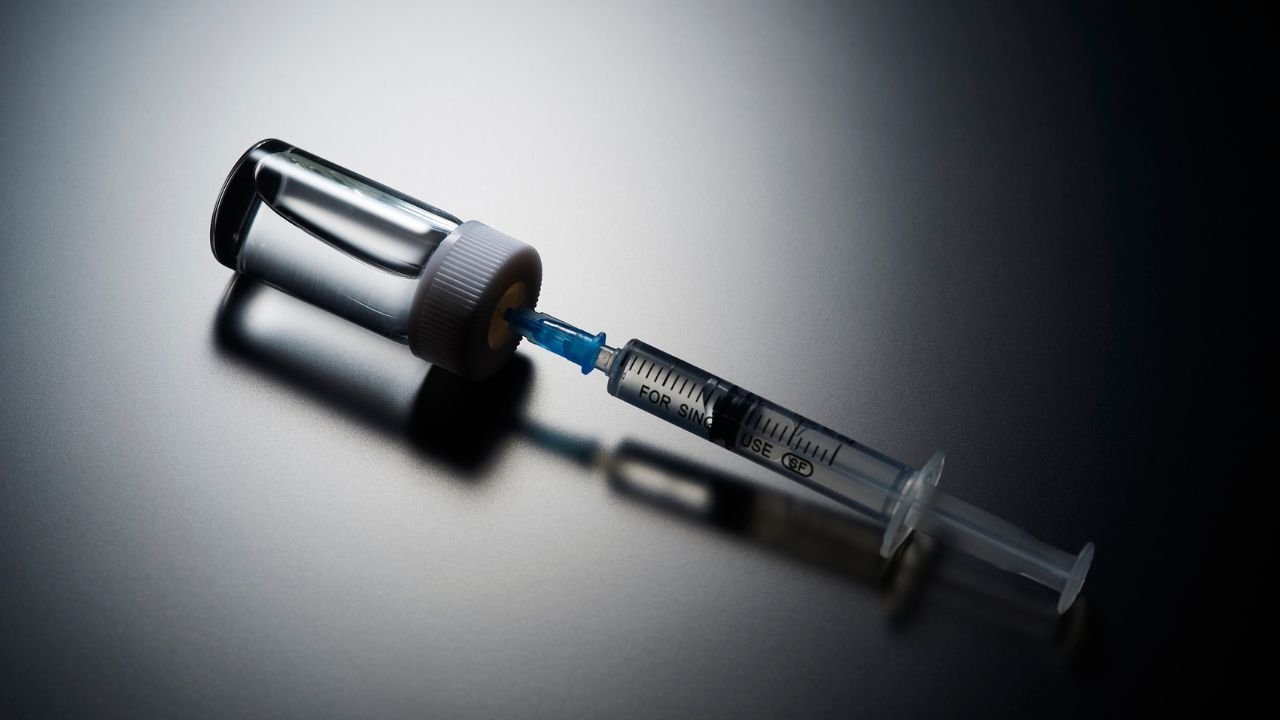
Piriformis injection addresses a specific form of sciatica pain caused by muscle compression rather than spinal nerve root issues. When the piriformis muscle in your buttock spasms and traps the sciatic nerve beneath it, the result feels remarkably similar to disc-related sciatica, radiating pain down your leg that disrupts sleep, limits activity, and resists standard treatments.
If you’ve spent weeks stretching, foam rolling, and adjusting your desk chair only to wake up with the same deep ache, you’re not alone. Many active individuals experience frustration when conservative therapies fail to resolve persistent symptoms. Piriformis injection offers an alternative by delivering medication directly to the source of nerve compression, interrupting the pain cycle that stretching alone cannot break.
Key Takeaways:
- Piriformis injection uses anesthetic and steroid medications to relieve sciatic nerve compression caused by muscle spasm
- Image guidance through fluoroscopy or ultrasound ensures accurate medication delivery to the exact compression site
- Approximately 75% of appropriately selected patients experience meaningful relief from this procedure
- Most patients report initial improvement within 1-2 weeks as inflammation decreases around the compressed nerve
- A maximum of four injection sessions per spinal region within 12 months is recommended by clinical guidelines
What Causes Piriformis Syndrome And Why Does It Feel Like Sciatica?
Piriformis syndrome occurs when the piriformis muscle, a small but powerful hip rotator deep in your buttock, spasms or tightens enough to compress the sciatic nerve running beneath it. This compression creates radiating pain down your leg that mimics sciatica from spinal causes, but the source is muscular rather than related to herniated discs or spinal stenosis.
The piriformis muscle originates at your sacrum and attaches to the upper part of your thigh bone. Your sciatic nerve typically passes directly beneath this muscle as it exits the pelvis and travels down your leg. When the muscle becomes inflamed or goes into spasm, often from prolonged sitting, overuse during activity, or direct trauma, the nerve becomes trapped between contracted muscle tissue and bone.
How Piriformis Syndrome Differs From Disc-Related Sciatica
Unlike sciatica caused by herniated discs, piriformis syndrome typically produces deep buttock pain that worsens with prolonged sitting or specific hip movements. The pain often extends down the back of your thigh but rarely reaches below your knee. You might notice that sitting on your wallet makes symptoms worse, or that crossing your affected leg over the opposite knee triggers immediate discomfort.
Clinical examination reveals tenderness over the piriformis muscle when pressure is applied. Specific hip movements, particularly rotating your thigh outward against resistance, reproduce your familiar pain pattern. Diagnostic imaging helps exclude spinal causes before confirming piriformis involvement as the primary pain generator.
How Does A Piriformis Injection Work To Relieve Nerve Compression?
The injection combines local anesthetic for immediate relief with corticosteroid medication for sustained anti-inflammatory effects. This dual-action approach interrupts pain signals while reducing tissue swelling around the compressed nerve. Think of it as creating space for the irritated nerve to calm down while the medication addresses the underlying inflammation driving muscle spasm.
The anesthetic component provides diagnostic confirmation within minutes, if your pain significantly improves or disappears temporarily, the piriformis muscle is confirmed as your pain source. The steroid component works more gradually over several days, reducing inflammatory mediators that perpetuate both muscle dysfunction and nerve irritation.
Why Image Guidance Matters For Accurate Medication Placement
Accurate needle placement requires identifying the piriformis muscle location relative to surrounding blood vessels, nerves, and bone. Fluoroscopy (real-time X-ray) or ultrasound guidance allows your physician to visualize needle advancement and confirm the medication disperses throughout the target muscle rather than missing the mark.
Image guidance helps avoid vascular structures and ensures you receive maximum benefit from the procedure. Without this visualization, even experienced clinicians face challenges with consistent, accurate placement given individual variation in muscle size, position, and the nerve’s relationship to surrounding anatomy.
When Should You Consider Piriformis Injection Instead Of Continuing Conservative Treatment?
Conservative management, including stretching, physical therapy, and anti-inflammatory medications, serves as the appropriate first-line approach for suspected piriformis syndrome. Most patients begin with these therapies for six to eight weeks before exploring injection options.
Piriformis injection becomes appropriate when your symptoms persist despite consistent conservative efforts. If you’ve diligently performed your stretching routine, completed physical therapy sessions, and taken prescribed medications without meaningful improvement, injection therapy offers a next step that doesn’t involve surgery or long-term medication dependency.
When Stretching And Physical Therapy Prove Insufficient
Stretching exercises may prove insufficient when significant muscle inflammation prevents effective tissue lengthening. You might find that stretches trigger immediate pain rather than the gentle pull that indicates productive muscle elongation. Physical therapy requires weeks or months of consistent effort, and progress stalls when underlying inflammation remains unaddressed.
Choose piriformis injection if: You’ve completed at least six weeks of conservative treatment without significant improvement, your pain interferes with work or activities you value, and imaging has excluded spinal pathology as your primary pain source.
Choose continued conservative treatment when: Your symptoms are gradually improving with current therapies, you haven’t yet tried all non-invasive options, or your pain is mild enough that it doesn’t significantly limit your daily function.
What Makes You An Ideal Candidate For This Procedure
Ideal candidates demonstrate localized buttock pain with radiation patterns consistent with sciatic nerve distribution. Your clinical examination findings should correlate with your symptoms, pain reproduction with specific provocative maneuvers confirms the diagnosis. Diagnostic criteria typically require failed conservative treatment lasting at least six weeks, though some practitioners consider injection earlier when symptoms severely impact quality of life.
You’re a strong candidate if imaging studies have excluded spinal causes like herniated discs or spinal stenosis. The absence of spinal pathology increases confidence that peripheral nerve entrapment drives your symptoms and that targeted treatment addressing the piriformis muscle will provide relief.
How Does Piriformis Injection Compare To Other Spine And Pain Procedures?
Understanding distinctions between injection types helps you recognize which procedure addresses your specific pain source. Each technique targets different anatomical structures responsible for varying pain patterns, and choosing the right intervention depends on accurate diagnosis.
Piriformis Injection Versus Epidural Steroid Injections
Epidural steroid injections target the epidural space surrounding spinal nerve roots where they exit the spinal canal. These procedures address radicular pain from herniated discs, spinal stenosis, or nerve root compression at the spine itself. Epidurals treat spinal causes of sciatica, pain originating from nerve compression inside or immediately outside the spinal canal.
Piriformis injection, by contrast, addresses peripheral nerve entrapment outside the spinal region in the buttock area. The sciatic nerve is compressed by muscle rather than by disc material or bone spurs. If your MRI shows a normal spine but you have classic sciatica symptoms, piriformis syndrome becomes a more likely diagnosis than disc-related pathology.
The decision between these procedures depends entirely on where your nerve compression occurs. Epidurals won’t help piriformis syndrome, and piriformis injections won’t resolve disc herniations. Accurate diagnosis through clinical examination and imaging determines which intervention makes sense for your specific situation.
How Piriformis Injection Differs From Facet And SI Joint Injections
Facet joint injections target small joints between vertebrae that provide spinal stability and enable motion. These procedures address localized axial back or neck pain from arthritis rather than radiating leg pain from nerve compression. Facet pain typically worsens with extension movements like reaching overhead or arching backward.
Sacroiliac joint injections address pain from SI joint dysfunction, discomfort in the lower back and buttock that differs from nerve-related symptoms. SI joint pain often worsens with single-leg stance, stair climbing, or getting out of a car, but it doesn’t follow the same radiation pattern as sciatic nerve compression.
These joint-based procedures treat mechanical pain from unstable or arthritic joints rather than nerve compression syndromes. Piriformis injection specifically targets muscle-related nerve entrapment that produces radiating symptoms down your leg.
Relationship To Nerve Blocks And Trigger Point Injections
Nerve blocks encompass various procedures targeting specific peripheral nerves throughout the body. Piriformis injection represents one type of peripheral nerve block addressing sciatic nerve compression at the buttock level. The procedure provides diagnostic information by temporarily eliminating pain from the suspected nerve distribution, successful relief confirms your piriformis muscle as the primary pain generator.
Trigger point injections address myofascial pain from discrete muscle knots causing referred pain patterns. While both procedures involve injecting muscle tissue, trigger point therapy treats localized muscle dysfunction without addressing nerve compression. Trigger points create regional discomfort; piriformis syndrome produces true radicular symptoms following nerve pathways.
What Results Can You Expect From Piriformis Injection?
Clinical outcomes depend on accurate diagnosis and proper patient selection. Published success rates vary across studies due to differing diagnostic criteria and outcome measurement methods, but appropriately selected patients typically experience meaningful improvement.
How Quickly Does Relief Begin And How Long Does It Last
The anesthetic component provides immediate feedback, within minutes, you’ll know whether the targeted muscle is your pain source based on symptom reduction. This diagnostic confirmation helps guide future treatment decisions. If your pain doesn’t improve at all despite confirmed accurate needle placement, alternative diagnoses require consideration.
Sustained relief from the steroid component develops more gradually. Most patients notice progressive improvement over one to two weeks as inflammation decreases around the compressed nerve. Maximum benefit typically manifests within two to three weeks following the procedure. Relief duration varies considerably between individuals; some patients experience months of improvement while others notice symptoms returning within weeks.
Success Rates And Factors Affecting Outcomes
Research demonstrates approximately 75% effectiveness for piriformis injection in appropriately selected patients. Success depends heavily on accurate diagnosis, distinguishing piriformis syndrome from other causes of buttock and leg pain. Patients with clear clinical findings and negative spinal imaging tend to achieve better outcomes than those with mixed presentations.
Treatment modality itself ranks as a 34.79% priority for patients evaluating back pain treatment options, suggesting many individuals value the type of intervention they receive alongside its effectiveness. Pain reduction ranks as an 18.73% priority, with improvement in daily activities ranking as an 11.71% priority in patient decision-making studies.
Your individual results depend on factors including symptom duration, severity of muscle spasm, presence of additional contributing factors, and adherence to post-injection rehabilitation recommendations. Patients who combine injection therapy with physical therapy addressing biomechanical factors typically achieve superior long-term outcomes.
Potential Risks And How To Minimize Complications
Piriformis injection carries minimal risk when performed with proper technique and image guidance. Temporary soreness at the injection site represents the most common adverse effect, typically resolving within 48-72 hours with rest and ice application. Some patients experience a transient increase in pain as needle trauma triggers temporary inflammation before steroid effects develop.
Serious complications remain rare but include infection, bleeding, and inadvertent nerve injury from needle placement. Image guidance significantly reduces these risks by allowing direct visualization of needle advancement relative to surrounding structures. Your physician’s training and experience with image-guided procedures further minimize complication risk.
Systemic steroid effects, including temporary blood sugar elevation or insomnia, occasionally occur but remain less pronounced than with oral steroid courses. Most patients tolerate the procedure well with only minor transient side effects that resolve without intervention.
What Factors Influence Whether Piriformis Injection Is Right for You?
Beyond clinical appropriateness, several practical factors influence whether this procedure aligns with your treatment goals, lifestyle, and resources. Understanding these considerations helps you make informed decisions that reflect your personal priorities and circumstances.
Balancing Treatment Preferences With Medical Recommendations
Treatment modality preference carries significant weight in patient decision-making. You might strongly prefer injections over continued stretching, or you might hope to avoid procedures entirely if possible. Discussing these preferences with your physician allows alignment between medical recommendations and your values.
Some patients prioritize minimizing procedure frequency over maximizing duration of relief, while others accept multiple injections if each provides substantial benefit. Duration of effectiveness and improvement in daily activities rank similarly in importance at approximately 10-11% each, suggesting patients balance multiple factors rather than focusing on single outcomes.
Your personal situation, whether you’re preparing for a golf tournament, managing work demands, or planning family activities, influences optimal timing and treatment selection. A procedure requiring several days of reduced activity might not fit your schedule immediately, but could be planned for a more opportune time.
Understanding Cost And Access Considerations
Geographic location significantly impacts both access to specialized pain procedures and associated costs. Rural areas house 21% of the U.S. population but are served by only 8% of pain specialists, creating access challenges for patients outside metropolitan areas. Rural residents experience 60% higher chronic pain prevalence yet face substantial barriers to reaching specialists who perform image-guided procedures.
Average cash prices for spine injection procedures range from approximately $1,044 to $1,484, depending on geographic location and facility type. Medicare reimbursement for these procedures has decreased by over 60% from 2000-2023 after adjusting for inflation, creating financial pressures that may affect provider availability in some regions.
Insurance coverage varies considerably between plans regarding prior authorization requirements, covered injection frequencies, and designated network providers. Understanding your specific coverage before proceeding helps avoid unexpected costs and allows informed financial planning.
What Guidelines And Best Practices Govern Piriformis Injection Procedures?
Professional societies establish standardized approaches to ensure patient safety and optimize outcomes from interventional procedures. These evidence-based guidelines reflect consensus expert opinion and evolving research regarding technique, frequency, and integration into comprehensive treatment plans.
Why Image Guidance Represents The Standard Of Care
Fluoroscopy or ultrasound guidance provides real-time visualization of needle position relative to target anatomy and adjacent structures. This visualization reduces complication risk by preventing inadvertent vascular puncture or nerve injury during needle advancement. Anatomical landmarks alone prove insufficient for consistent, accurate placement given individual variation in muscle size and piriformis positioning.
Confirmation of proper medication dispersal throughout the piriformis muscle requires direct visualization during injection. Image-guided technique ensures you receive maximum therapeutic benefit by confirming medication reaches its intended target rather than dispersing into surrounding tissues or missing the mark entirely.
Frequency Limits And Safety Protocols
Clinical guidelines recommend a maximum of four therapeutic injection sessions per spinal region within any rolling 12-month period. This limitation reduces cumulative steroid exposure and associated risks, including bone demineralization, tissue weakening, and suppression of your body’s natural cortisol production.
If you require injections more frequently than guidelines recommend for sustained relief, alternative diagnoses or treatment approaches warrant consideration. Repeated procedures without adequate intervals suggest either an incomplete diagnosis or insufficient complementary therapies addressing underlying biomechanical or inflammatory factors.
Sterile technique, including proper skin preparation and use of sterile equipment, prevents infection at the injection site. Pre-procedure assessment identifies contraindications like active infection, uncontrolled bleeding disorders, or medication interactions requiring procedure deferral or modification.
Integration With Physical Therapy And Complementary Treatments
Injection therapy represents one component within multimodal treatment rather than standalone definitive care. Concurrent physical therapy optimizes outcomes by addressing biomechanical factors perpetuating muscle dysfunction, hip weakness, movement pattern asymmetries, or flexibility limitations that predispose you to recurrent symptoms.
Post-injection rehabilitation typically includes progressive stretching as pain permits, strengthening exercises for hip stabilizers, and activity modification guidance to prevent symptom recurrence. Some patients benefit from complementary approaches, including regenerative medicine techniques or PRP therapy for persistent cases where standard injections provide only temporary benefit.
Comprehensive treatment addresses psychological factors, including fear-avoidant behaviors and pain catastrophizing, that affect recovery. Patients who understand their condition, maintain realistic expectations, and actively participate in rehabilitation achieve superior long-term outcomes compared to those relying solely on procedures without lifestyle modification.
Making An Informed Decision About Piriformis Injection For Your Sciatica Pain
Piriformis injection serves an important function within the spectrum of interventional pain procedures for carefully selected patients experiencing buttock and leg pain unresponsive to conservative management. When stretching, physical therapy, and medications prove insufficient, and imaging excludes spinal pathology requiring different treatment, this targeted approach addresses peripheral nerve compression at its muscular source.
Success depends on accurate diagnosis, distinguishing piriformis syndrome from disc-related sciatica, SI joint dysfunction, or other causes of similar symptoms. Image-guided technique ensures medication reaches its intended target while minimizing complication risk. Understanding realistic expectations regarding temporary relief helps you make decisions aligned with your personal treatment priorities and lifestyle demands.
The procedure provides both diagnostic confirmation and therapeutic benefit through combined anesthetic and anti-inflammatory effects. If immediate pain relief occurs following injection, you’ve confirmed your piriformis muscle as the primary pain generator and can proceed with targeted rehabilitation. If pain persists despite a confirmed, accurate technique, alternative explanations for your symptoms warrant investigation.
Ready To Explore Whether Piriformis Injection Makes Sense For Your Specific Situation?
Integrated Spine, Pain & Wellness offers comprehensive evaluation and advanced image-guided procedures for active individuals experiencing persistent sciatica unresponsive to initial management. Dr. Goyle’s Cleveland Clinic training and expertise in precision injection techniques ensure you receive an accurate diagnosis and safe, effective treatment tailored to your goals.
Contact our Scottsdale team to schedule your evaluation and discover personalized solutions designed to help you return to the activities you value most.


