
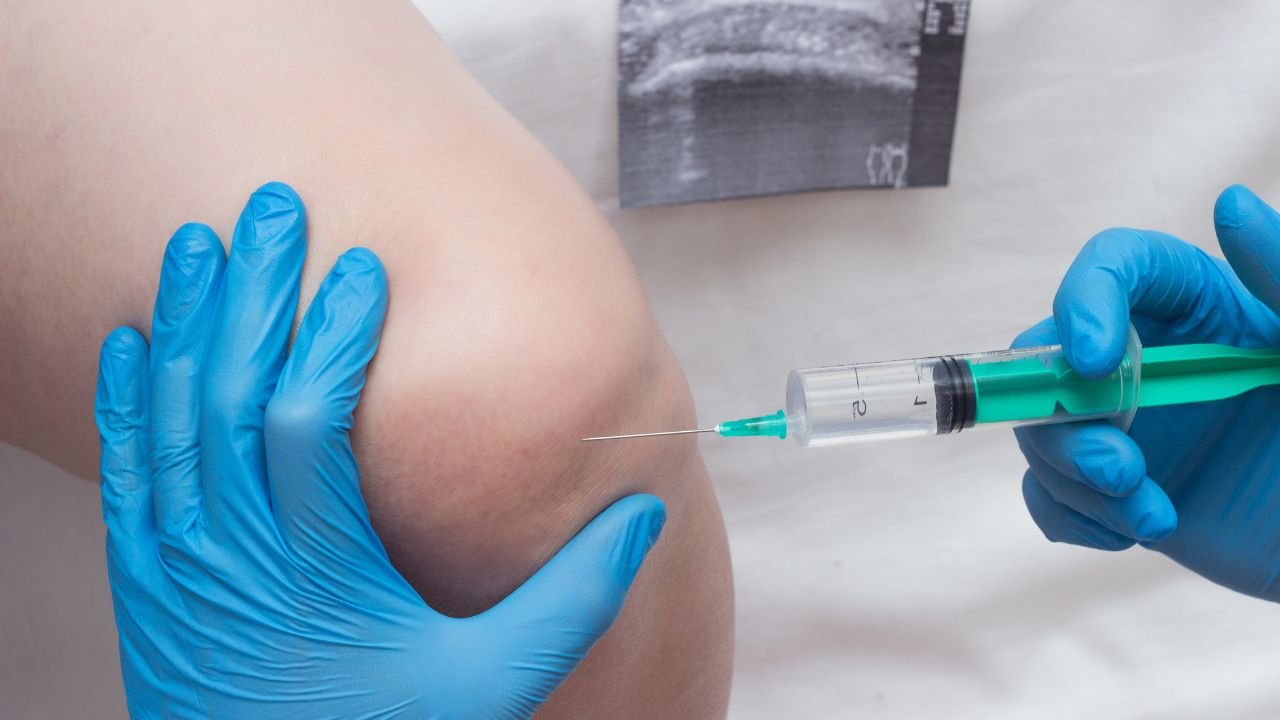
Joint pain doesn’t have to end with surgery. For Arizona residents seeking advanced alternatives to invasive procedures or long-term medication dependency, Regenokine therapy offers a specialized anti-inflammatory approach unavailable at most clinics. This German-developed treatment remains extraordinarily rare in America, with fewer than ten physicians trained to administer it, making Arizona’s access particularly significant.
At Integrated Spine, Pain & Wellness (ISPW) in Scottsdale, Dr. Ashu Goyle delivers Arizona’s exclusive Regenokine program. As one of only nine US physicians certified in this advanced protocol, Dr. Goyle combines his Cleveland Clinic fellowship training with comprehensive wellness services to address the root causes of joint inflammation.
This article explains what distinguishes Regenokine from more common regenerative therapies and whether this specialized treatment aligns with your healing goals.
Key Takeaways:
- Regenokine therapy concentrates anti-inflammatory proteins from your own blood to block pain-causing cytokines, distinct from PRP therapy’s platelet-based growth factors or stem cell treatments
- Only 9 physicians in the US offer Regenokine due to specialized equipment requirements, complex FDA classification, and lack of insurance reimbursement pathways
- ISPW Scottsdale holds Arizona’s exclusive rights to provide this elite treatment, combining Dr. Goyle’s Cleveland Clinic training with cutting-edge regenerative medicine
- Treatment typically requires 1-3 sessions over three weeks, costing $1,500-$5,000+ per session as a cash-pay service
- Ideal candidates are active adults aged 40-70 with chronic inflammatory joint conditions who maintain some cartilage integrity and have not responded to conventional approaches
What Makes Regenokine Different From Other Regenerative Medicine Options?
Regenokine focuses exclusively on reducing inflammation rather than promoting tissue growth. While PRP therapy and stem cell treatments attempt to rebuild damaged structures, Regenokine creates a biochemical environment where existing tissue can function without inflammatory interference.
Regenokine therapy works by incubating your blood samples on specially treated glass beads, triggering production of Interleukin-1 Receptor Antagonist (IL-1Ra). This cell-free therapy delivers purified anti-inflammatory proteins that block pain-causing cytokines at the cellular level. The extracted serum is injected directly into affected joints over multiple sessions, targeting inflammatory pathways rather than structural damage.
PRP therapy concentrates platelets from your blood through centrifugation, releasing growth factors like PDGF, TGF-β, and VEGF designed to support natural healing processes in damaged tissue. The platelet-rich plasma contains hundreds of proteins that may help coordinate tissue repair.
Stem cell therapy uses cells capable of differentiating into cartilage, bone, or other specialized tissues. These multipotent cells are typically harvested from bone marrow or adipose tissue and injected into damaged joints to support regeneration.
The fundamental distinction: Regenokine contains no cells or platelets. It delivers anti-inflammatory proteins exclusively, making it a pure biochemical intervention rather than a cellular one.
How Does Regenokine Therapy Work?
What Happens During The Blood Processing Phase?
Treatment begins with drawing approximately 60 milliliters of blood during an initial appointment. This blood transfers immediately to specialized glass bead incubators maintained at body temperature for 6-9 hours. The treated glass surface stimulates white blood cells to release concentrated amounts of IL-1Ra and other anti-inflammatory cytokines.
After incubation completes, technicians separate the protein-rich serum through centrifugation and freeze individual doses for subsequent injections. This processing creates a concentrated anti-inflammatory solution containing 10-100 times the normal blood levels of IL-1Ra.
What Role Do Anti-Inflammatory Proteins Play In Joint Pain Relief?
Interleukin-1 serves as a primary inflammatory cytokine responsible for cartilage breakdown and pain signaling in degenerative joint conditions. IL-1Ra acts as a natural antagonist, binding to the same cellular receptors without triggering inflammatory responses.
By flooding affected joints with concentrated IL-1Ra, the treatment blocks inflammatory signals at their source rather than masking symptoms. This protein-based approach addresses the biochemical cause of pain rather than temporarily numbing nerve endings like corticosteroid injections.
What Does The Injection Process Involve?
Patients receive a series of 3-5 injections spaced weekly, with each injection containing concentrated anti-inflammatory serum. Physicians use ultrasound or fluoroscopy guidance to ensure precise placement within the affected joint space or around inflamed tendons.
Most patients complete the initial series within three weeks. Some require maintenance injections every 6-12 months, depending on their condition severity and inflammatory load.
Why Is Regenokine So Rare In The United States?
What Regulatory Challenges Limit Regenokine Availability?
The FDA classification of Regenokine’s processing method remains uncertain, creating legal ambiguity that discourages physicians from offering the treatment. Because the blood undergoes substantial manipulation during incubation, it may fall under stricter biological product regulations than simpler autologous treatments.
This regulatory gray area increases compliance costs and legal risks for medical practices considering adoption. Many physicians choose to avoid potential enforcement actions by focusing on FDA-cleared alternatives like standard PRP or bone marrow concentrate.
What Training And Equipment Do Physicians Need?
Regenokine requires specialized imported equipment, including proprietary incubators, treated glass beads, and processing systems not widely available in America. Physicians must complete rigorous certification training, typically conducted in Europe, before they can legally purchase the specialized materials.
The equipment investment alone exceeds $50,000, not including ongoing supply costs for glass beads and incubation systems. Few medical device distributors in the US carry supplies, further limiting physician access to necessary materials.
How Do Market Size And Insurance Coverage Affect Provider Adoption?
Less than 5% of regenerative medicine treatments receive insurance coverage, forcing patients to pay over 95% of costs out-of-pocket. Regenokine lacks any established insurance reimbursement pathway, making it entirely a cash-pay service in all circumstances.
The limited patient population willing to spend $3,000-$5,000+ for this specialized treatment reduces potential practice revenue below profitability thresholds. Without insurance billing codes or coverage policies, medical practices cannot justify the equipment investment or training costs required.
Who Should Consider Regenokine Therapy?
What Conditions Respond Best To Anti-Inflammatory Treatment?
Ideal candidates typically fall between the ages of 40 and 70 with chronic joint inflammation that has resisted conventional treatments. The therapy works best for individuals with moderate osteoarthritis, rheumatoid arthritis, or sports-related joint damage who maintain some cartilage integrity.
Choose Regenokine if: You have persistent inflammatory joint pain, have tried physical therapy and anti-inflammatories without lasting relief, maintain some cartilage tissue, and can invest in a cash-pay specialized treatment.
Choose PRP therapy when: You have acute soft tissue injuries, recent tendon damage, or early-stage arthritis where growth factors may support tissue healing.
Choose stem cell therapy if: You have significant cartilage loss, multiple joint involvement, or degenerative conditions where cellular regeneration becomes necessary.
Athletes and active adults seeking alternatives to surgery often represent the most successful patient demographic for Regenokine interventions. These individuals typically maintain higher activity levels and benefit most from reducing inflammatory burden without disrupting their training schedules.
Who Is Not A Good Candidate For This Treatment?
Patients with active infections, active cancer, or severe bone-on-bone arthritis may not achieve meaningful results. The therapy addresses inflammation, not structural collapse. When cartilage has completely degraded, and bones grind directly against each other, anti-inflammatory proteins cannot restore function.
Individuals unwilling or unable to invest $3,000-$5,000+ out-of-pocket should explore insurance-covered alternatives first. Understanding your candidacy criteria helps set realistic expectations before committing to this elite joint therapy.
How Does Arizona’s Regenerative Medicine Landscape Support Specialized Treatments?
Why Has Arizona Emerged As A Regenerative Medicine Hub?
Arizona hosts over 25 specialized clinics and 85 practitioners focused exclusively on regenerative medicine Arizona, particularly concentrated in Phoenix and Scottsdale. The Phoenix/Scottsdale metropolitan area serves as a premier hub, driven by high disposable incomes and strong patient demand for alternatives to surgery.
Urban adoption rates in Arizona reach 82%, far exceeding the national rural adoption rate of 28% for regenerative therapies. This concentration of expertise and patient volume attracts medical device companies and research institutions seeking clinical validation sites.
What Makes ISPW Scottsdale, Arizona’s Exclusive Regenokine Provider?
Dr. Ashu Goyle completed specialized Regenokine certification and invested in the rare equipment necessary to offer this treatment. His double board certification in Anesthesiology and Pain Medicine, combined with Cleveland Clinic fellowship training, provides the clinical foundation required for complex regenerative protocols.
ISPW’s holistic approach integrates Regenokine with complementary therapies, including MLS M7 laser therapy, targeted injections, and functional medicine optimization. This comprehensive model addresses multiple healing pathways simultaneously rather than relying on a single intervention.
Learn why only 9 physicians in America offer this treatment and what distinguishes ISPW’s delivery model from conventional pain management approaches.
How Does Hummingbird Biomedical’s Arizona Presence Affect Access?
Hummingbird Biomedical opened its US headquarters at the Mayo Clinic Scottsdale campus in January 2026, establishing Arizona as North America’s primary distribution center for advanced regenerative technologies. This state-of-the-art manufacturing lab serves as a scale-up gateway for global life sciences ventures entering the American market.
The Mayo Clinic Scottsdale campus location provides credibility and technical infrastructure for introducing novel therapies to US physicians. As this distribution network expands, Arizona residents gain earlier access to emerging treatments before they reach other markets.
What Does Regenokine Cost Compared To Other Regenerative Options?
How Do Treatment Costs Break Down By Session Requirements?
Regenokine: $1,500-$5,000+ per session, with most patients needing 1-3 sessions concentrated within a three-week period. Total investment typically ranges from $3,000-$15,000 depending on joint involvement and inflammation severity.
PRP Therapy: $500-$2,500 per session, with 3-6 sessions typically required for optimal results over several months. Total cost ranges from $3,000-$15,000 for a complete treatment series.
Stem Cell Therapy: $2,495-$50,000, depending on cell source and processing complexity, usually requiring 1-3 sessions. Bone marrow concentrate (BMAC) falls at the lower end, while culture-expanded cells reach higher price points.
Exosome Therapy: $3,000-$30,000 per session, representing the newest and most expensive regenerative option currently available. Most protocols require 1-2 sessions.
All these figures represent cash-pay pricing since insurance rarely covers regenerative treatments. Get a transparent cost breakdown for 2026 to understand your investment options.
When Does The Investment Make Financial Sense?
Regenerative therapies that prevent joint replacement surgery generate substantial cost savings. Replacement procedures typically exceed $40,000 plus rehabilitation costs and 3-6 months of limited function. A treatment costing $10,000 that provides five additional years of function before surgery becomes necessary delivers measurable economic value.
Choose regenerative medicine when: You want to delay or avoid surgery, maintain your active lifestyle, and can afford the upfront cash investment for potentially years of improved function.
Choose conventional surgery if: Your joint damage is severe and irreversible, you have insurance coverage for the procedure, and you’re willing to accept the recovery time and functional limitations that may follow.
What Results Can Patients Realistically Expect?
Regenokine’s safety profile remains excellent, utilizing only autologous blood products with minimal risk of adverse reactions or complications. Patients typically tolerate the injections well with only temporary soreness at the injection sites.
Long-term efficacy data in US populations remain limited compared to decades of PRP research and growing stem cell evidence. European studies suggest 60-80% of patients experience meaningful pain reduction lasting 6-24 months after treatment, though individual results vary based on condition severity and inflammatory load.
Compare Regenokine vs PRP vs BMAC outcomes to understand which approach aligns best with your specific condition and healing goals.
How Should Arizona Patients Evaluate Their Treatment Options?
What Self-Assessment Criteria Matter Most?
Start by honestly evaluating your pain severity and functional limitations. Ideal candidates have exhausted conservative treatments including physical therapy, NSAIDs, and corticosteroid injections without achieving satisfactory pain relief. They possess realistic expectations about recovery timelines and understand that regenerative medicine rarely produces immediate results like surgery.
Financial capacity to invest $3,000-$5,000+ out-of-pocket without insurance reimbursement represents a practical prerequisite for Regenokine consideration. Patients with active infections, cancer, or severe end-stage arthritis showing complete cartilage loss typically achieve poor outcomes from anti-inflammatory approaches.
When Regenokine makes sense: You have moderate inflammatory arthritis, have tried conventional treatments, maintain some cartilage integrity, and want to avoid surgery or long-term medication dependency.
How we compare: ISPW offers Arizona’s only Regenokine program, delivered by a Cleveland Clinic-trained physician who integrates multiple regenerative modalities rather than relying on a single approach.
Expected outcomes: Most patients experience meaningful pain reduction within 4-8 weeks, with continued improvement over 3-6 months. Some require maintenance sessions every 6-12 months to sustain results.
What Demographic Patterns Drive Regenerative Medicine Adoption?
Patients aged 35-55 represent 45% of the regenerative medicine market, typically seeking treatment for sports injuries or early-onset arthritis. The 55-75 age group comprises 35% of the market, focusing primarily on avoiding joint replacement surgery and maintaining independence.
Younger demographics aged 18-35 account for just 12%, utilizing regenerative therapies primarily for acute sports medicine applications. Urban adoption rates of 82% reflect both higher clinic accessibility and greater disposable income compared to rural populations.
These patterns align with ISPW’s ideal patient profile: active adults aged 40-70 who prioritize maintaining their lifestyle and are willing to invest in premium care that addresses root causes rather than masking symptoms.
What Does the Future Hold For Regenokine And Regenerative Medicine In Arizona?
How Is Market Growth Influencing Treatment Access?
The global regenerative medicine market demonstrates strong momentum, expanding from $18.13 billion in 2025 toward a projected $93.5 billion by 2035. This represents a compound annual growth rate of 12.66%, driven by aging populations and increasing demand for surgery alternatives.
North America maintains 48-54% of the global market share, positioning US clinics at the forefront of adoption and innovation. Arizona’s established regenerative medicine infrastructure positions the state to capture disproportionate growth as novel therapies gain regulatory clarity.
Market expansion creates economic incentives for medical device companies to invest in regulatory approval pathways and physician training programs. As the market grows, niche therapies like Regenokine become economically viable for broader distribution and insurance consideration.
Which Technologies Show The Strongest Growth Potential?
Stem cell therapy currently holds 57% market share with a projected 12.66% CAGR, solidifying its position as the dominant regenerative approach. PRP therapy maintains 18% market share but shows the strongest growth rate at 14.98% CAGR, reflecting increasing physician adoption and patient awareness.
Exosome therapy, despite only 3% current market share, demonstrates an explosive 22.40% CAGR as the newest cellular signaling approach. Tissue engineering at 15% share and gene therapy at 7% share represent complementary technologies that may eventually integrate with anti-inflammatory approaches.
Increasing patient awareness and demand for non-surgical options pressure both regulatory agencies and insurance carriers to clarify coverage policies. What is Regenokine therapy becomes a more common question as mainstream acceptance grows and treatment availability expands.
When Should You Choose ISPW For Regenokine Therapy?
What Makes ISPW’s Approach Different?
ISPW integrates Regenokine within a comprehensive healing framework rather than offering it as an isolated procedure. Dr. Goyle’s Functional Spinal Unit Approach recognizes that joints don’t function in isolation; they operate within interconnected systems of muscles, ligaments, nerves, and supporting structures.
This holistic philosophy combines anti-inflammatory treatments with optimization of hormone balance, nutrition, movement patterns, and recovery protocols. The goal isn’t just pain reduction but long-term joint preservation and functional improvement.
When you should choose us: You want Arizona’s only Regenokine provider, value comprehensive care over quick fixes, and appreciate a physician who invests time understanding your specific condition and goals.
When we’re not a fit: You need immediate pain relief regardless of long-term consequences, prefer insurance-covered conventional treatments, or want a high-volume clinic with same-day appointments for brief interventions.
What Differentiates Dr. Goyle’s Training And Philosophy?
Dr. Goyle’s double board certification and Cleveland Clinic fellowship training provide a clinical foundation that few regenerative medicine practitioners possess. His background in anesthesiology and interventional pain medicine ensures precise injection technique and a comprehensive understanding of pain pathways.
Beyond credentials, Dr. Goyle’s commitment to opioid-free healing and root-cause treatment aligns with patients who reject the “pain management” model in favor of actual healing. This philosophy permeates every aspect of care at ISPW, from initial consultation through long-term follow-up.
Explore Regenokine therapy at ISPW and discover how Arizona’s exclusive provider combines elite training with comprehensive wellness integration for superior outcomes.
Regenokine Therapy Represents A Specialized Yet Promising Option For Select Arizona Patients
Regenokine occupies a unique niche within regenerative medicine, offering purely anti-inflammatory benefits rather than cellular regeneration for carefully selected patients. Arizona’s position as a hub for advanced treatments, combined with ISPW’s exclusive Regenokine program, provides access unavailable in most US markets.
The therapy’s rarity reflects legitimate regulatory, technical, and economic barriers rather than lack of clinical merit or patient demand. For individuals aged 40-70 with inflammatory joint conditions who have exhausted conventional treatments, Regenokine represents a scientifically grounded alternative worth serious consideration.
The convergence of market growth, regulatory evolution, and technological refinement may gradually expand availability beyond its current nine US providers. As regenerative medicine transitions from experimental to mainstream, patients gain access to increasingly sophisticated options tailored to specific inflammatory and degenerative conditions.
Arizona residents benefit from geographic proximity to specialized clinics offering the full spectrum of regenerative therapies, from standard PRP to exclusive treatments like Regenokine. This concentration of expertise creates opportunities for patients willing to invest in premium care that addresses underlying causes rather than masking symptoms.
Ready To Explore Regenokine Therapy For Your Specific Joint Condition?
Schedule a consultation with Dr. Goyle at ISPW Scottsdale to receive a personalized assessment, understand your candidacy for Arizona’s exclusive Regenokine program, and create a comprehensive healing plan tailored to your goals. Your joints have an extraordinary capacity to function pain-free when inflammation is properly addressed. Let’s discover which path gets you there.


