
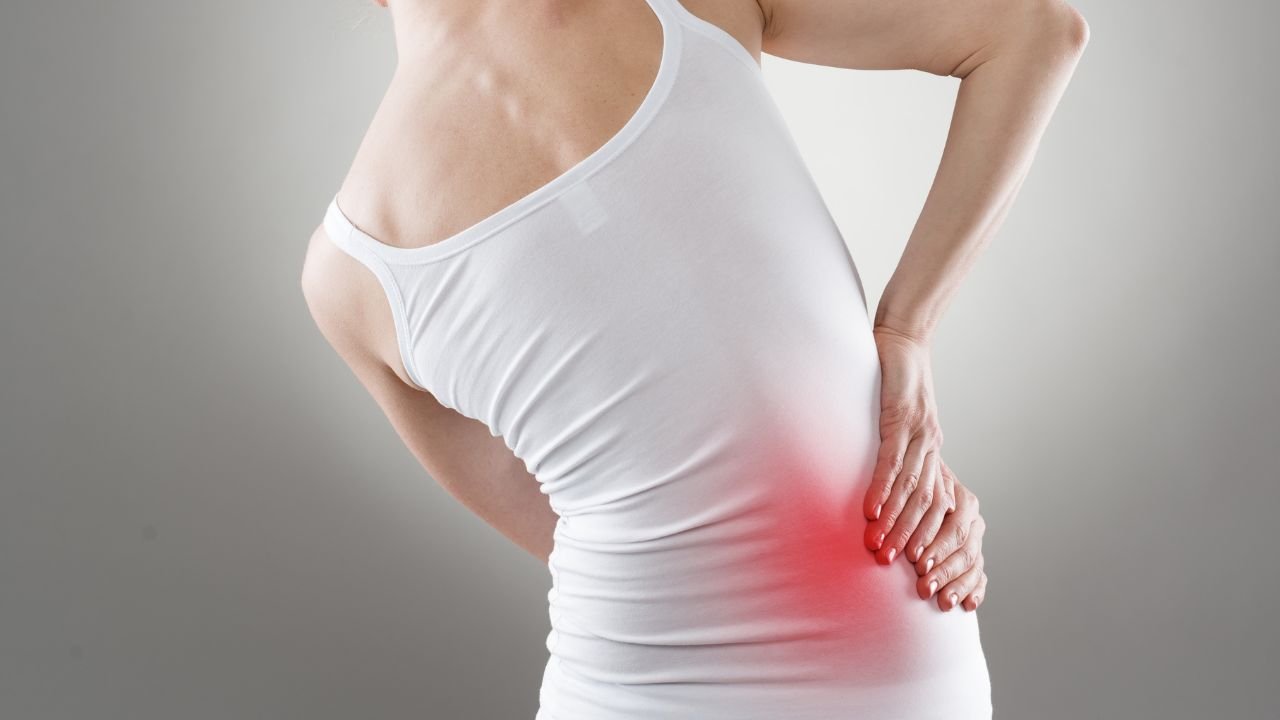
You’ve tried ignoring the ache. You’ve modified your golf swing or stopped playing pickleball altogether. But hip pain doesn’t just disappear, and where it hurts tells a story about what’s actually wrong.
Hip pain location serves as one of the most powerful diagnostic clues available. The hip joint’s complex anatomy means pain from cartilage damage produces different symptoms than tendon inflammation. Inner hip pain typically signals problems inside the joint itself. Outer hip pain points toward soft tissue irritation. Front hip pain often involves the hip flexor complex or structural impingement. Understanding these patterns helps you and your physician narrow the diagnosis efficiently and choose treatments that address the root cause.
Key Takeaways:
- Hip pain location serves as a primary diagnostic indicator for identifying underlying musculoskeletal conditions
- Inner hip pain typically signals intra-articular pathology, including labral tears and osteoarthritis
- Outer hip pain commonly indicates trochanteric bursitis or gluteal tendon dysfunction
- Front hip pain causes frequently include hip flexor strains or femoroacetabular impingement
- Non-surgical regenerative treatments provide viable alternatives to joint replacement for location-specific pain
Where Does Your Hip Actually Hurt?
Hip pain manifests in three primary zones corresponding to distinct underlying structures. The groin region typically indicates problems within the joint itself, which physicians call intra-articular pathology. Lateral hip pain points toward periarticular structures like tendons or bursae. Anterior hip discomfort often involves the hip flexor complex or capsular irritation.
Pain classification by location streamlines diagnosis and prevents unnecessary testing. When you tell your physician, “My hip hurts,” the next critical question is always, “where exactly?” That single answer eliminates dozens of possible conditions and focuses the evaluation on the most likely culprits.
What Does Inner Hip Pain Usually Mean?
Inner hip pain originates from structures within or immediately adjacent to the hip joint. This deep groin discomfort worsens with weight-bearing and often limits your ability to rotate your leg inward. Osteoarthritis remains the most common cause, producing progressive stiffness that makes simple tasks like putting on shoes increasingly difficult.
Labral tears create sharp, catching sensations during rotation. These cartilage ring injuries often develop gradually in active individuals, especially golfers and runners. Femoroacetabular impingement generates anterior groin pain when abnormal bone morphology causes the femur to pinch against the acetabulum during normal motion.
Hip dysplasia presents with similar groin-centered pain due to abnormal acetabular coverage. Stress fractures produce acute inner hip pain that intensifies with impact loading. If you’re experiencing deep groin pain that limits your active lifestyle, a chronic hip pain evaluation becomes essential.
What Causes Pain On The Outside Of Your Hip?
Outer hip pain typically results from inflammation or degeneration of soft tissues surrounding the joint. Greater trochanteric pain syndrome produces tenderness over the bony prominence on your lateral hip, the spot that hurts when you lie on that side. Gluteal tendon tears or tendinopathy cause similar lateral symptoms that intensify when climbing stairs.
External snapping hip syndrome creates palpable clicking as the iliotibial band passes over the greater trochanter. These lateral hip conditions often develop from biomechanical overload rather than acute injury. Weakness of the hip abductor muscles contributes to excessive compression during walking and running.
Lumbar spine pathology occasionally refers pain to the lateral hip, mimicking local hip problems. This is why comprehensive evaluation matters, treating the hip won’t help if the real problem originates in your lower back.
Why Does The Front Of Your Hip Hurt?
Front hip pain causes include both muscular and articular pathology affecting the anterior hip region. Hip flexor strains produce localized tenderness along the iliopsoas muscle with sharp pain during resisted flexion, like when you lift your knee against resistance. These strains commonly affect athletes performing repetitive kicking or sprinting.
Anterior labral tears generate deep anterior pain that may accompany clicking during movement. Femoroacetabular impingement with cam or pincer morphology commonly manifests as anterior groin discomfort during flexion-based activities like squatting or getting in and out of cars.
Inguinal hernias occasionally mimic hip pathology by producing anterior groin pain intensifying with straining. Athletic pubalgia affects the pubic symphysis and lower abdominal wall, causing referred anterior hip symptoms.
How Do Doctors Use Pain Location To Make A Diagnosis?
Pain location serves as the initial filtering mechanism before physical examination begins. This diagnostic efficiency means you spend less time undergoing unnecessary tests. Combining location data with aggravating factors significantly improves diagnostic accuracy. Pain worsening with internal rotation suggests a different pathology than symptoms triggered by external rotation.
- Choose location-focused evaluation if: You have clear, consistent pain in one specific hip region that worsens with particular movements.
- Choose comprehensive imaging if: Your pain feels diffuse, moves between locations, or doesn’t clearly correlate with any specific position or activity.
What Specific Conditions Show Up As Inner Hip Pain?
Hip osteoarthritis represents the leading cause of inner hip pain, affecting millions of adults annually. Degenerative cartilage loss produces deep aching that restricts internal rotation and hip flexion range. Labral tears occur in younger, active individuals and create sharp mechanical symptoms during pivoting. These conditions often coexist, particularly in patients who become candidates for BMAC therapy for hip pain as a regenerative alternative.
Avascular necrosis causes progressive inner hip pain as bone tissue deteriorates from an interrupted blood supply. Inflammatory arthropathies, including rheumatoid arthritis, produce symmetric bilateral groin pain with morning stiffness. Infection within the joint space creates acute inner hip pain accompanied by fever, requiring immediate medical attention.
Which Conditions Create Outer Hip Pain?
Greater trochanteric pain syndrome affects up to 25% of women over age 50 with lateral hip symptoms. Gluteus medius and minimus tendinopathy produces lateral pain mimicking trochanteric bursitis; in fact, most cases diagnosed as “bursitis” actually involve tendon degeneration.
Iliotibial band syndrome creates lateral hip and thigh pain in runners and cyclists. These conditions respond well to conservative interventions, including physical therapy and targeted injections, when inflammation persists.
Lumbar radiculopathy from L4-L5 or L5-S1 nerve root compression refers pain to the lateral hip. Piriformis syndrome causes buttock and lateral hip discomfort due to sciatic nerve compression.
What Creates Pain In The Front Of Your Hip?
Iliopsoas tendinitis produces anterior hip pain worsening with hip flexion against resistance, the classic example being pain when lifting your leg to get out of bed. Anterior labral pathology causes deep groin pain, often accompanied by painful clicking.
Femoroacetabular impingement with cam morphology creates bone-on-bone contact during flexion, generating anterior impingement pain that limits squatting depth. Athletes performing repetitive kicking or sprinting commonly develop these anterior hip conditions.
What Tests Help Pinpoint The Problem?
A comprehensive hip evaluation combines patient history, physical examination, and selective imaging. Your symptom location guides the examination sequence, with specific provocative tests applied based on your pain patterns. These diagnostic clues from combined clinical data direct appropriate imaging selection.
What Physical Exam Tests Are Used?
Physical examination remains the foundation of hip pain assessment. Provocative maneuvers including FABER (flexion, abduction, external rotation), FADIR (flexion, adduction, internal rotation), and impingement testing, isolate specific anatomical structures producing your symptoms.
Gait analysis reveals compensatory patterns indicating underlying biomechanical dysfunction. Palpation identifies point tenderness over bursae, tendons, and bony prominences corresponding to your reported pain location.
Functional assessments measure single-leg stance stability, squat depth, and stair-climbing ability. Range of motion testing documents restrictions compared to normative values. Strength testing identifies muscular deficits contributing to pain and functional limitations.
When Does Your Doctor Order Imaging?
Imaging becomes necessary when physical examination findings remain ambiguous or conservative treatment fails after 6-12 weeks. Plain radiographs provide an initial assessment of joint space narrowing, bone morphology, and fracture presence.
Magnetic resonance imaging visualizes soft tissue structures, including labrum, cartilage, tendons, and bursal inflammation, invisible on X-rays. Red flag symptoms including night pain, fever, or rapid functional decline warrant immediate imaging.
What Are Your Treatment Options Based On Where It Hurts?
Location-specific treatment protocols optimize outcomes by addressing the underlying anatomical pathology directly. Inner hip pain from arthritis requires different interventions than outer hip pain from tendinopathy. Multimodal treatment combining physical therapy, activity modification, and anti-inflammatory strategies provides baseline symptom control for most conditions.
How Is Inner Hip Pain Treated Without Surgery?
Intra-articular corticosteroid injections provide temporary relief for osteoarthritic inner hip pain lasting 6-12 weeks. Hyaluronic acid viscosupplementation restores synovial fluid properties, reducing stiffness and improving joint function. These represent outpatient procedures requiring only 15 minutes with minimal recovery time.
Physical therapy emphasizing hip strengthening and range of motion maintenance slows degenerative progression. Activity modification reduces inflammatory flare-ups, this doesn’t mean stopping golf or hiking, but rather modifying your approach. Weight optimization decreases joint reactive forces by up to four times during activities. For many patients, hip pain treatment without replacement through regenerative approaches offers a middle ground.
What Works For Outer Hip Pain?
Trochanteric bursa injections using corticosteroids reduce lateral hip inflammation within days. Targeted physical therapy strengthens gluteal muscles, correcting biomechanical overload. Iliotibial band stretching and foam rolling decrease tension over the greater trochanter.
Shockwave therapy stimulates tendon healing in gluteal tendinopathy resistant to conservative measures. Activity modification eliminates aggravating positions including prolonged side-lying and crossing legs. Dry needling releases myofascial trigger points contributing to lateral hip pain.
Choose conservative treatment first if: Your outer hip pain developed gradually and you can still perform most daily activities with modification.
Choose injection therapy if: Conservative treatment for 6-8 weeks hasn’t provided adequate relief and lateral hip pain limits your sleep quality or active lifestyle.
How Do You Treat Front Hip Pain?
Hip flexor rehabilitation protocols restore iliopsoas flexibility and eccentric strength following strain injuries. Activity restriction during acute phases prevents re-injury while tissues heal over 4-6 weeks, rushing this process almost always leads to recurrent injury.
Core strengthening prevents compensatory overload of hip flexors during athletic movements. Anti-inflammatory modalities, including ice, control acute anterior hip inflammation during the early treatment phase.
When Should You Consider Advanced Treatments?
Conservative management failure after 3-6 months suggests the need for advanced intervention consideration. Structural pathology, including large labral tears, often requires surgical correction. Progressive functional decline despite comprehensive rehabilitation indicates inadequate conservative treatment response.
Your age, activity level, and personal goals influence the decision between surgical and regenerative approaches. Regenerative medicine provides intermediate options between conservative care and joint replacement.
What Are The Alternatives To Hip Replacement?
Viscosupplementation involves hyaluronic acid injections that restore synovial fluid properties. This outpatient procedure takes 15 minutes, with patients returning immediately to normal activities. Research indicates viscosupplementation may delay the need by an average of 9.8 months in appropriate candidates.
Relief typically lasts 6 months, requiring repeat injections to maintain symptom control. Efficacy varies depending on arthritis severity, with mild to moderate cases responding better than advanced bone-on-bone degeneration.
- Choose viscosupplementation if: You have mild to moderate osteoarthritis, want to delay surgery, and prefer a well-established treatment with insurance coverage.
- Choose regenerative therapy if: You want to address the underlying tissue damage rather than just lubricate the joint, and you’re willing to invest in potentially longer-lasting results.
How Do Regenerative Treatments Work For Hip Pain?
Regenerative medicine uses biologic treatments designed to support natural healing processes. Platelet Rich Plasma concentrates growth factors from your own blood, which are then injected into damaged hip structures to support tissue repair mechanisms.
Bone Marrow Concentrate provides cells that may support cartilage and soft tissue healing. Stem cell therapy for hip pain has shown promise in supporting the body’s natural healing capacity for certain hip conditions.
Regenokine therapy represents an advanced regenerative option utilizing autologous conditioned serum designed to support the body’s anti-inflammatory response. These treatments require 3-6 months for maximum benefit as biologic healing progresses gradually.
At Integrated Spine, Pain & Wellness, Dr. Goyle, a double board-certified anesthesiologist with Cleveland Clinic fellowship training, evaluates each patient individually to determine which regenerative approach, if any, may be appropriate based on your specific pain location and underlying diagnosis.
Why Does Rehabilitation Matter After Treatment?
Rehabilitation following injections or regenerative procedures maximizes treatment outcomes through structured progressive loading. Physical therapy restores normal movement patterns that may have deteriorated during chronic pain periods. Strengthening exercises rebuild muscle atrophy developing from prolonged activity avoidance.
Home exercise programs maintain gains achieved during formal therapy sessions. Functional training prepares you for a return to golf, pickleball, hiking, or other high-demand activities safely. Understanding how to stay active and pain-free as you age requires this proactive rehabilitation approach.
How Do Age And Lifestyle Affect Your Hip Pain?
Age-related changes in tissue quality and cumulative mechanical stress alter hip pain presentation across decades. Younger patients typically experience acute injuries and developmental abnormalities. Middle-aged adults develop early degenerative changes and tendinopathy. Older adults experience osteoarthritis and referred pain from spinal stenosis.
Lifestyle choices, including exercise habits, body weight, and occupation, create variable mechanical loading patterns that influence both pain development and treatment success.
Does Age Change Your Hip Pain Pattern?
Lower limb pain prevalence increases dramatically with age, affecting over 30% of adults beyond age 65. Younger patients typically present with traumatic injuries, labral tears, and impingement from athletic activities. Middle-aged adults develop early degenerative changes from cumulative stress.
Tissue healing capacity decreases with advancing age, influencing both treatment selection and realistic recovery timelines. Comorbid conditions, including diabetes, complicate hip pain management by affecting tissue quality and healing potential.
Do Location And Climate Matter?
Rural residents show 30.9% chronic pain prevalence compared to urban counterparts reporting only 19.6%. Geographic disparities reflect differences in occupational demands and healthcare access.
Cold temperatures increase joint stiffness by reducing synovial fluid viscosity. Winter months correlate with increased patient complaints of hip discomfort. Barometric pressure drops preceding weather changes trigger inflammatory responses in arthritic joints for some patients.
What Does Your Hip Pain Location Mean For Long-Term Joint Health?
Early accurate diagnosis based on your pain location prevents secondary joint damage from compensatory movement patterns. Untreated intra-articular pathology progresses to irreversible cartilage loss that may eventually require joint replacement. Treatment choices made during initial pain episodes influence long-term joint preservation outcomes significantly.
Why Does Early Diagnosis Matter So Much?
Prompt identification of labral tears allows repair before secondary cartilage damage develops irreversibly. Early intervention for femoroacetabular impingement prevents accelerated osteoarthritis onset. Diagnostic delay allows compensatory gait patterns to develop, creating secondary pathology in your knees and lower back.
What Happens If You Ignore Hip Pain?
Chronic inner hip pain from untreated osteoarthritis leads to progressive cartilage loss and eventual bone-on-bone contact requiring replacement. Neglected labral tears progress to irreparable damage, necessitating more extensive surgical reconstruction.
Untreated outer hip pain from tendinopathy may progress to complete gluteal tendon tears requiring surgical repair. Delayed treatment of anterior hip impingement allows continued abnormal contact, creating irreversible cartilage damage that could have been prevented.
How Do Your Treatment Choices Affect Future Joint Function?
Conservative management preserving native joint anatomy extends hip function decades longer than premature surgical intervention. Appropriate activity modification balances mechanical loading to slow degenerative progression without causing deconditioning.
Weight management reduces joint reactive forces by up to four times body weight during activities. Regenerative therapies may support tissue quality improvement, potentially enhancing long-term durability when combined with proper rehabilitation.
Understanding Your Hip Pain Location Leads To Better Outcomes
Hip pain location serves as a fundamental diagnostic parameter guiding your evaluation, imaging selection, and treatment decisions. Inner, outer, and front pain patterns correlate reliably with specific anatomical pathologies requiring distinct management approaches rather than generic “hip pain” treatment.
Early accurate diagnosis based on this hip pain location guide prevents secondary damage and preserves your long-term joint health and active lifestyle. Non-surgical and regenerative options provide alternatives to replacement for appropriately selected patients.
You don’t have to accept hip pain as a permanent part of aging. At Integrated Spine, Pain & Wellness, Dr. Ashu Goyle combines Cleveland Clinic-trained expertise with a comprehensive approach that addresses root causes rather than merely managing symptoms. Whether your pain signals labral damage, tendon degeneration, or early arthritis, we offer personalized protocols designed to support your body’s natural healing capacity.
Contact our Scottsdale team to schedule your comprehensive hip pain evaluation and discover regenerative alternatives tailored to your specific pain location and active lifestyle goals.


