
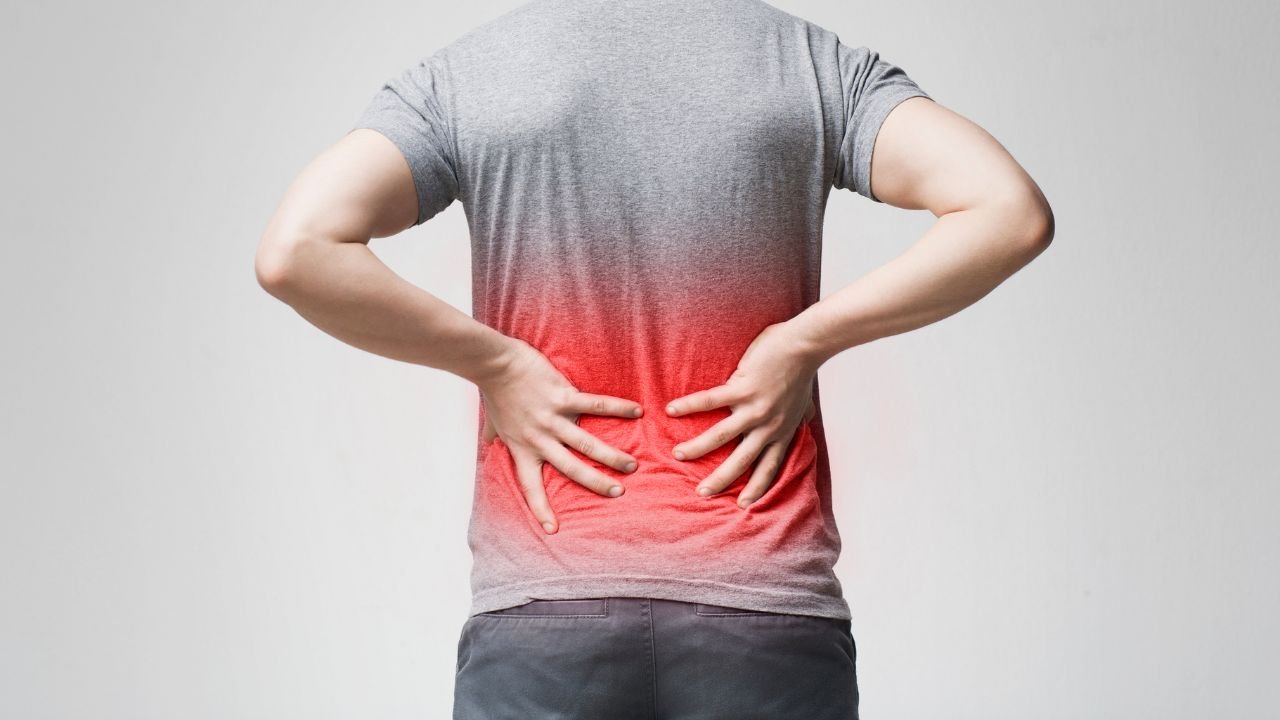
Pain affecting your lower back, hip, and leg can turn simple activities into major challenges. The sciatica hip pain connection often creates overlapping symptoms that make an accurate diagnosis essential for effective treatment.
You deserve more than temporary fixes. The global sciatica treatment market reached $1.8 billion in 2025 and is projected to grow to $5.02 billion by 2033, reflecting increasing demand for both traditional and innovative approaches to managing these debilitating conditions.
Key Takeaways:
- 80-90% of sciatica patients improve without surgery through conservative treatments
- PRP therapy provides longer-lasting relief than hyaluronic acid, with effects lasting 12-18 months
- 76% of patients now prefer non-narcotic pain management approaches
- Physical therapy and injection therapies hold 52% and 24% market share in non-surgical interventions
- Surgery is indicated only after 3+ months of failed conservative treatment for most conditions
What Are Sciatica And Hip Pain?
How Is Sciatica Defined And What Causes It?
Sciatica is nerve pain radiating along the sciatic nerve pathway from your lower back through your hip and leg. The condition stems from nerve compression caused by herniated discs, spinal stenosis, or degenerative disc disease.
Nonsurgical sciatica treatments demonstrate an 85% success rate, with most patients avoiding surgical intervention. Treatment options range from physical rehabilitation to advanced injection procedures. Understanding sciatica treatment approaches helps you make informed decisions about your care.
What Are Common Sources Of Hip Pain?
Hip pain originates from multiple structures, including joints, muscles, tendons, bursae, and surrounding nerves. Common causes include osteoarthritis, labral tears, bursitis, tendinitis, and hip nerve compression from spinal issues.
Age-related degeneration accounts for many hip complaints, particularly in active individuals over 40. Joint inflammation and cartilage breakdown progressively limit mobility and increase discomfort during weight-bearing activities.
How Do Sciatica And Hip Pain Interrelate?
The sciatic nerve passes directly through the hip region, creating symptom overlap between spinal and hip conditions. Nerve irritation in the lumbar spine can produce hip pain, while true hip joint pathology may radiate into your lower back.
Accurate diagnosis requires distinguishing referred nerve pain from primary joint dysfunction through physical examination and imaging. Understanding the sciatica hip pain connection helps clinicians develop appropriate treatment strategies for your specific condition.
What Are The Key Treatment Categories For Sciatica And Hip Pain?
What Are Conservative And Non-Narcotic Options?
Conservative approaches prioritize pain relief through physical therapy, exercise modification, and anti-inflammatory medications without surgery. NSAIDs hold 45% market share in non-narcotic pain management, providing accessible first-line intervention for most patients.
Physical therapy holds 52% market share in non-surgical interventions, emphasizing movement restoration and strength building. The NOPAIN Act implemented in 2025 increased federal support for non-opioid pain management access nationwide. Back pain treatment options now include comprehensive conservative care protocols.
Choose conservative treatment if you’ve experienced pain for less than 12 weeks, maintain good mobility despite discomfort, and want to avoid more invasive interventions. Conservative care works best when you can commit to consistent physical therapy and activity modification.
How Do Injection Therapies Like PRP And Hyaluronic Acid Work?
PRP therapy uses autologous blood products to support tissue repair and reduce inflammation in damaged joints and tendons. Platelet-rich plasma contains growth factors that promote natural healing processes within affected tissues.
Hyaluronic acid provides viscosupplementation to lubricate joints and provide shock absorption during movement. WOMAC scores measure functional improvement following joint treatments, with PRP therapy for chronic pain consistently outperforming HA in long-term outcomes.
Choose PRP therapy when you want longer-lasting relief than traditional injections provide, seek to support your body’s natural healing capacity, and are willing to invest in treatment that addresses underlying tissue damage rather than temporarily masking symptoms.
When Are Surgical Interventions Considered?
Surgery becomes necessary only after conservative treatments fail to provide adequate relief after three or more months. Procedures range from minimally invasive microdiscectomy for nerve decompression to total joint replacement for advanced arthritis.
Surgical interventions require significant recovery times and carry potential complications including infection, blood clots, and nerve damage. Patient selection criteria include symptom severity, functional limitations, imaging findings, and failure of comprehensive non surgical treatment.
Choose surgery when conservative treatments and injection therapies have failed after 3+ months, imaging confirms structural damage requiring repair, or severe functional limitations prevent you from performing essential daily activities.
How Do Patient Preferences And Priorities Influence Treatment Choices?
What Treatment Options Do Patients Prefer?
76% of consumers now prefer non-narcotic pain management, reflecting widespread concern about opioid addiction risks. Non-surgical interventions appeal to 64% of patients seeking to avoid operative risks and lengthy rehabilitation periods.
Physical therapy attracts 52% preference among conservative treatments due to active participation and functional gains. Alternative medicine draws 35% interest while surgical options hold only 18% preference, typically considered as final resort.
What Factors Are Most Important To Patients When Choosing Treatment?
89% of patients prioritize effectiveness and pain relief as the primary decision factor when evaluating treatment options. Long-term relief ranks second at 78%, indicating patients value sustained improvement over temporary symptom reduction.
Recovery time matters to 72% of patients who need rapid return to work and daily activities. Side effects and safety concerns influence 68% while cost considerations affect 61% of treatment decisions.
Expected outcomes matter more than convenience. When choosing between treatment options, focus on which approach addresses the root cause of your condition rather than which offers the fastest initial relief.
How Do Demographics Affect Treatment Adoption?
71% of Generation X prefer non-opioid options, the highest percentage among age groups. Millennials show 62% preference for non-narcotic approaches and 48% interest in emerging PRP treatments.
Baby Boomers demonstrate 58% preference for non-opioid options and 38% consideration rate for surgical interventions. Urban populations access comprehensive pain management services at 73% rates compared to 42% in rural areas.
What Is The Role Of Injection Therapies In Managing Sciatica And Hip Pain?
How Does Platelet-Rich Plasma (PRP) Compare To Hyaluronic Acid (HA)?
PRP effects last 12-18 months compared to HA effects that diminish after 6 months. PRP provides longer-lasting relief while stimulating actual tissue repair rather than temporary symptom management.
Hyaluronic acid provides faster initial relief compared to PRP’s gradual improvement timeline over several months. Hip pain treatment without replacement shows potential for tissue healing while HA does not alter underlying disease progression.
Best for active individuals: PRP therapy works best for patients who want to return to sports, golf, or high-impact activities. The tissue repair mechanism supports long-term joint health rather than providing temporary cushioning.
What Are The Efficacy Timelines And Benefits Of PRP And HA?
PRP effects peak at 6 months following gradual improvement after initial injection. Full treatment series requires 3 PRP sessions compared to 3-5 sessions for hyaluronic acid protocols.
60-70% of patients experience significant pain relief from PRP injections lasting 6-12 months minimum. The global PRP market reached $650.13 million in 2025 with orthopedics accounting for over 25% of applications. Understanding whether PRP can help you avoid surgery depends on your specific condition and functional goals.
What Are The Cost Considerations For Injection Treatments?
A 58-year-old patient with moderate knee osteoarthritis received 3 PRP injections costing $3,000 out-of-pocket total. The patient reported 70% pain reduction at 6 months and successfully returned to jogging regularly.
PRP treatments often lack insurance coverage, creating financial barriers despite clinical effectiveness in delaying knee replacement surgery. Lower-income populations earning under $50,000 annually remain limited to basic treatments covered by standard insurance plans.
Investment vs. expense: Consider PRP therapy an investment in long-term joint health rather than an expense. The 12-18 month duration of relief often proves more cost-effective than repeated cortisone shots every 3-4 months.
How Do Non-Opioid Alternatives Address Pain Management?
What Are The Main Non-Narcotic Medications And Therapies?
NSAIDs are the most utilized non-narcotic medication class for musculoskeletal pain management and inflammation control. Physical therapy combines manual techniques, therapeutic exercise, and patient education to restore function and reduce pain naturally.
PRP and hyaluronic acid injections hold 24% market share in non-surgical intervention for joint conditions. BMAC therapy for hip pain options continue expanding as advanced biologics gain clinical validation.
Choose non-opioid approaches when you want to avoid medication dependency, maintain mental clarity, and address the root cause rather than masking symptoms. These treatments work best for patients committed to active participation in their recovery.
How Has Legislation Impacted Access To Non-Opioid Treatments?
The NOPAIN Act is a federal mandate implemented January 2025 to increase access to non-opioid pain management. This legislation expanded insurance coverage for physical therapy, acupuncture, and certain injection therapies previously excluded from standard plans.
Non-opioid adoption increased from 58% in 2022 to 76% in 2025 following regulatory changes and public health campaigns. Physical therapy referrals increased from 62% to 81% post-pandemic as healthcare systems prioritized conservative interventions.
What Are The Pros And Cons Of Non-Opioid Approaches?
Long-term NSAID use carries gastrointestinal bleeding risks and cardiovascular complications, including heart attack and stroke. NSAIDs may not provide sufficient relief for severe acute pain requiring stronger intervention or procedural treatment.
Rural populations face barriers to specialized care, with only 42% accessing comprehensive pain management services. Stem cell therapy for hip pain and advanced biologics remain concentrated in metropolitan medical centers.
When non-opioid approaches work best: These treatments excel for chronic conditions where long-term management matters more than immediate pain reduction. Active individuals benefit most from therapies that restore function rather than mask symptoms.
How Do Surgical Treatments Address Severe Cases Of Sciatica And Hip Pain?
What Surgical Options Are Available For Sciatica?
Microdiscectomy removes herniated disc material, compressing the sciatic nerve through a minimally invasive approach. Spinal fusion permanently joins vertebrae to eliminate painful motion between degenerative segments, causing nerve irritation.
A laminectomy enlarges the spinal canal by removing bone to relieve pressure on compressed nerve roots. Costs range from $15,000 for microdiscectomy to $50,000+ for complex fusion procedures with hardware.
What Are Common Hip And Knee Surgical Procedures?
Total hip replacement removes damaged cartilage and bone, replacing the joint with metal and plastic components. Hip arthroscopy uses small incisions to repair labral tears, remove loose bodies, and address impingement issues.
Total knee replacement resurfaces worn joint surfaces with prosthetic components to restore pain-free movement. Average costs range $20,000-$30,000+ with recovery taking 3-6 months for normal activities and up to one year for full function.
What Are Typical Recovery Expectations After Surgery?
Microdiscectomy patients resume light activities within 2-6 weeks following nerve decompression procedures. Spinal fusion requires 3-12 months for solid bone healing and return to unrestricted physical activity.
Joint replacement surgery demands extensive physical therapy for strength restoration and range of motion recovery. Non-surgical peripheral neuropathy treatment alternatives help many patients avoid surgical risks and lengthy rehabilitation.
When surgery makes sense: Consider surgery when conservative treatments have failed after 6+ months, imaging shows structural damage requiring repair, and functional limitations prevent you from working or performing essential daily activities.
What Are Current Trends And Expert Recommendations In Pain Management?
How Has Treatment Adoption Changed Over Recent Years?
Non-opioid adoption increased from 58% in 2022 to 76% in 2025 following the opioid epidemic and changing medical guidelines. PRP market growth accelerated from 8.5% CAGR in 2022 to 13.2% in 2025 as clinical evidence accumulated.
Physical therapy referrals increased from 62% to 81% post-pandemic as telemedicine expanded access to rehabilitation services. Surgical interventions declined from 24% to 18% as first-line options with patients increasingly preferring conservative management.
What Clinical Guidelines Guide Treatment Decisions?
The American Academy of Orthopaedic Surgeons notes that 80-90% of sciatica patients improve without surgery. Guidelines recommend NSAIDs, continued movement avoiding bed rest, and physical therapy as first-line interventions before considering invasive procedures.
The American College of Rheumatology strongly recommends exercise, weight management, and oral NSAIDs for hip and knee osteoarthritis. Evidence-based protocols prioritize conservative interventions before advancing to injections or surgery.
What Real-World Evidence Supports Emerging Therapies?
The global PRP market projects 13.2% CAGR from 2026 to 2033, reaching $1.75 billion. Orthopedics accounts for over 25% of PRP market applications, with the strongest growth in joint and tendon repair.
The HA injection market is projected to reach $2.41 billion by 2026, with knee osteoarthritis accounting for 92% of use. Treatment patterns show patient preference for minimally invasive interventions over traditional surgical approaches.
Integrating Sciatica And Hip Pain Management: Balancing Effectiveness, Safety, And Recovery
Effective pain management requires individualized assessment of your specific condition, functional goals, and treatment preferences. The data shows patients prioritize long-term effectiveness, safety, and rapid recovery when choosing between conservative care, injection therapies, and surgical options.
The shift toward non-surgical interventions reflects both clinical evidence supporting conservative approaches and patient desire to avoid operative risks. PRP therapy offers sustained pain relief and supports tissue repair without surgery’s inherent complications and extended rehabilitation periods.
For patients considering treatment options for sciatica or hip pain, evidence supports beginning with conservative measures including physical therapy and anti-inflammatory medications. Injection therapies like PRP provide effective intermediate options when basic treatments prove insufficient, with 60-70% of patients achieving lasting relief.
How ISPW Combines Expertise With Advanced Treatment Options
At Integrated Spine, Pain & Wellness, Dr. Ashu Goyle brings Cleveland Clinic-trained expertise to help active individuals reclaim their performance and lifestyle. Our comprehensive approach addresses root causes rather than masking symptoms, offering personalized treatment strategies aligned with your recovery goals.
Dr. Goyle’s double board certification in Anesthesiology and Pain Medicine, combined with advanced training in interventional procedures, ensures you receive the highest level of care. As Arizona’s exclusive provider of Regenokine® therapy and one of the few practices offering MLS M7 laser treatment, we provide access to cutting-edge options unavailable at most pain clinics.
When you should choose ISPW: You’re an active individual who refuses to accept “this is just part of aging” as an answer. You value personalized attention from a physician who spends time understanding your specific situation. You want access to advanced treatments like PRP therapy, BMAC, and Regenokine® that support your body’s natural healing capacity.
When we’re not the right fit: You’re looking for quick fixes through repeated cortisone shots. You prefer insurance-based care over cash-pay investment in long-term solutions. You’re not willing to commit to recommended rehabilitation and lifestyle modifications that maximize treatment outcomes.
Ready to explore non-surgical options for lasting pain relief? Contact our team to schedule a comprehensive evaluation and discover which treatment approach aligns with your specific condition and recovery goals.


