
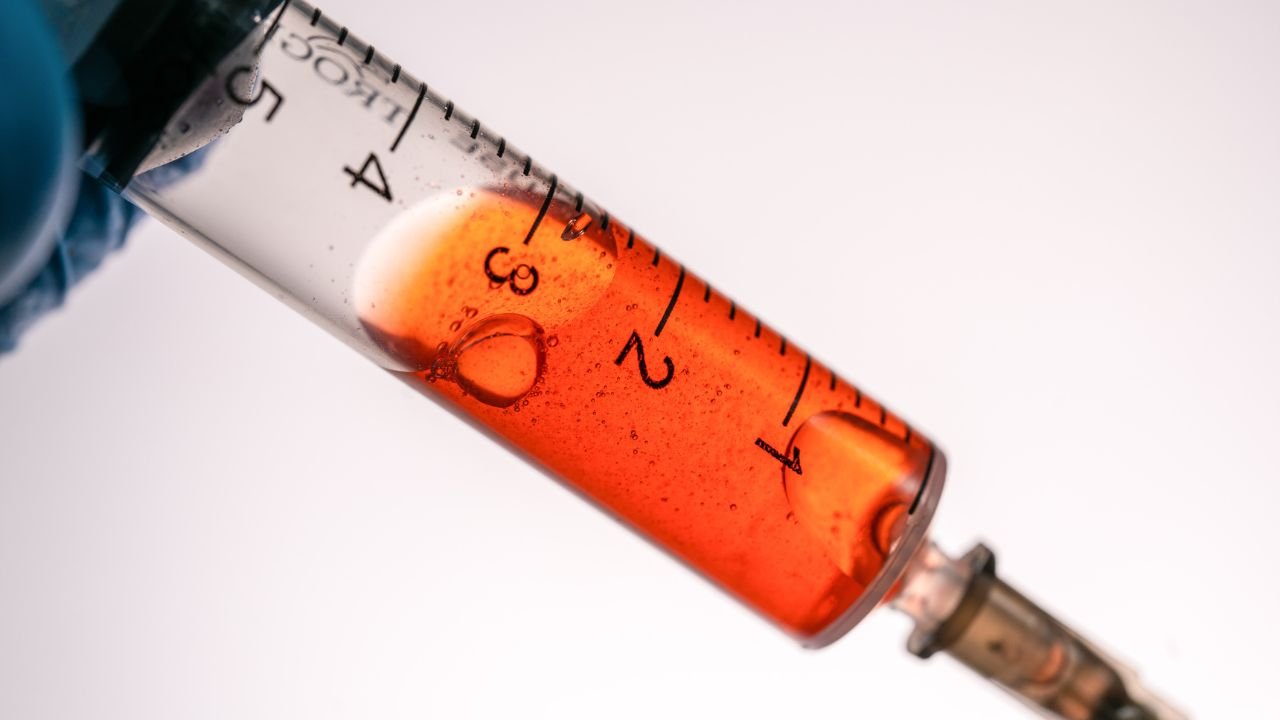
Chronic pain shouldn’t force you to choose between ineffective treatments and invasive surgery. Regenerative medicine offers a third option: therapies that harness your body’s natural healing capacity to repair damaged tissue rather than simply masking symptoms. Two leading regenerative treatment options, Platelet-Rich Plasma (PRP) and bone marrow therapy (BMAC), show promising effectiveness for conditions ranging from tendinopathy to advanced osteoarthritis. But which approach delivers better results for your specific condition? The answer depends on damage severity, budget, invasiveness tolerance, and treatment goals.
This comprehensive PRP vs BMAC comparison examines how these therapies work, their success rates, costs, risks, and ideal applications to help you make an informed decision about your regenerative treatment path.
Key Takeaways
- PRP concentrates healing factors from your blood; BMAC uses healing cells from bone marrow with greater regenerative capacity for severe damage
- PRP costs $500-$1,500 per treatment and works well for mild-to-moderate conditions; BMAC costs $3,000-$8,000 and excels for moderate-to-severe joint damage
- Both therapies require 4-6 weeks for initial relief, and 3-6 months for peak effectiveness; neither provides immediate symptom control
- PRP shows good results for many patients for tendinopathy and early osteoarthritis with minimal invasiveness; BMAC offers superior results for conditions beyond PRP’s capacity
- The optimal choice depends on your condition severity, budget, and goals. Expert imaging and assessment ensure proper treatment selection
New to bone marrow therapy? You may have seen it searched online as “stem cell therapy.” Here’s the simple version: both PRP and bone marrow therapy use your own body to help you heal. PRP concentrates the healing platelets in your blood; bone marrow therapy adds the repair cells found in your bone marrow. Both use your own cells — no medication, donor products, or surgery.
What Are Platelet-Rich Plasma (PRP) And bone marrow therapies?
PRP Definition
Platelet-Rich Plasma therapy concentrates platelets from your blood to 5-10 times normal levels. These concentrated platelets release growth factors, including PDGF, VEGF, and TGF-β, that trigger cell growth, collagen production, and new blood vessel formation. PRP is a pro-regenerative treatment using only your body’s own healing components, avoiding synthetic materials or foreign substances.
BMAC Definition
Bone Marrow Aspirate Concentrate (BMAC) therapy harvests healing cells from your bone marrow, typically from the iliac crest (hip bone). These healing cells possess the unique ability to transform into cartilage, bone, and connective tissue. BMAC offers more powerful regenerative capacity than PRP, making it effective for significant joint damage and advanced degenerative conditions.
What Are The Key Differences Between PRP And bone marrow therapies?
Both therapies harness your body’s healing potential, but through different biological mechanisms and procedures. Understanding these distinctions helps determine which approach suits your specific condition.
Treatment Process Comparison
| Feature | PRP Therapy | bone marrow therapy |
| Source | Blood draw | Bone marrow aspiration |
| Procedure Time | 30-60 minutes | 60-90 minutes |
| Invasiveness | Minimally invasive | More invasive |
| Recovery Time | Same-day return | 1-3 days for aspiration site |
| Anesthesia | Local only | Local + possible sedation |
Success Rates By Condition
| Condition | PRP | BMAC |
| Chronic Tendinopathy | meaningful improvement | Data limited |
| Mild-Moderate OA | relief for many patients | Data limited |
| Severe OA/Cartilage Damage | Limited effectiveness | More effective |
Healing Timeline
PRP:
- Noticeable improvement: 4-6 weeks
- Peak effectiveness: 3-6 months
- May offer longer-lasting relief than cortisone in some studies
BMAC:
- Greater regenerative power for severe damage
- bone marrow differentiation into multiple tissue types
- Best for conditions beyond PRP’s capacity
What Are The Benefits Of PRP Therapy?
PRP therapy delivers concentrated healing factors directly to damaged tissue, supporting natural repair processes without surgery. The treatment works best for mild-to-moderate conditions where tissue damage hasn’t progressed to complete degeneration.
Conditions That Benefit From PRP
- Chronic tendinopathy (lasting over 3 months)
- Mild-to-moderate osteoarthritis
- Tendon injuries (rotator cuff, tennis elbow, Achilles)
- Ligament injuries
- Sports injuries (golf, pickleball)
Advantages Over Other Treatments
- Vs. Cortisone: Superior results at 6-12 months; no tissue degradation
- Vs. Surgery: Minimally invasive; same-day recovery; avoids surgical risks
- Vs. Repeated injections: Addresses root cause, not just symptoms
What Are The Benefits Of bone marrow therapy?
BMAC therapy provides the body’s most powerful regenerative cells for conditions too advanced for PRP alone. healing cells can differentiate into the exact tissue types needed, cartilage, bone, or connective tissue, making bone marrow therapy ideal for significant structural damage.
Conditions That Benefit From BMAC
- Moderate-to-severe osteoarthritis
- Significant cartilage degeneration
- Spinal injuries
- Large cartilage defects
- Failed PRP therapy
Advantages Over Other Treatments
- Vs. PRP: Greater regenerative capacity for severe damage
- Vs. Surgery: Avoids joint replacement ($30,000-$50,000+)
- Vs. Traditional treatments: Regenerates tissue rather than masking symptoms
What Are The Risks And Limitations Of PRP Therapy?
PRP therapy carries minimal risk because it uses only your own blood components. Most side effects are temporary and part of the normal healing response.
Potential Side Effects
- Temporary injection site soreness (2-7 days)
- Initial inflammatory response (part of healing process)
- Minimal systemic risks (autologous material)
Limitations For Certain Conditions
- Advanced “bone-on-bone” osteoarthritis
- Complete tendon ruptures requiring surgery
- Conditions needing immediate relief (PRP takes 4-6 weeks)
Contraindications
- Active infection
- Blood disorders
- Pregnancy
- Recent cancer diagnosis
- Anticoagulation therapy
What Are The Risks And Limitations Of bone marrow therapy?
BMAC therapy involves a more invasive procedure than PRP, creating additional considerations. While still considered low-risk with experienced providers, the bone marrow aspiration process introduces factors not present in simple blood draws.
Potential Risks And Side Effects
- Aspiration site pain/bruising (1-3 days recovery)
- Higher infection risk than PRP
- Bleeding complications
- Failure of healing cells to integrate
- Sedation risks (if used)
Limitations For Certain Conditions
- End-stage arthritis without cellular matrix
- Complete absence of joint space
- Compromised healing capacity
Contraindications
- Immunocompromised states
- Active malignancy or recent cancer
- Blood disorders (leukemia, lymphoma)
- Active infection
- Pregnancy/breastfeeding
- Recent chemotherapy/radiation
How Do PRP And bone marrow therapies Compare In Terms Of Effectiveness?
Both therapies show strong effectiveness, but for different severity levels. PRP has more established research for mild-to-moderate conditions, while BMAC demonstrates greater promise for advanced damage.
Effectiveness Comparison
| Factor | PRP | BMAC |
| Success Rate | often helpful (tendinopathy/mild OA) | Higher for severe OA |
| Onset of Relief | 4-6 weeks | Similar or longer |
| Peak Effect | 3-6 months | Similar timeline expected |
| Best for Severity | Mild-moderate damage | Moderate-severe damage |
| Evidence Level | Well-established (multiple RCTs) | Emerging (fewer large trials) |
Research Findings
| Study Finding | PRP | BMAC |
| Long-term vs. Cortisone | May last longer than cortisone | N/A |
| Tendinopathy | sustained relief in many cases | Limited data |
| Safety Profile | Very low risk | Low risk with experienced providers |
Which Treatment Is More Affordable: PRP Or bone marrow therapy?
PRP therapy costs significantly less than BMAC due to simpler extraction and processing. Neither treatment typically receives insurance coverage, making out-of-pocket cost a major consideration.
Costs of PRP Therapy
- Per treatment: $500-$1,500 (Scottsdale market)
- Typical series: 1-3 injections
- Total cost range: $500-$4,500
- Insurance: Typically not covered
Costs Of bone marrow therapy
- Per treatment: $3,000-$8,000 (Scottsdale market)
- Typical protocol: 1 treatment (occasionally repeated)
- Insurance: Typically not covered
- Higher due to: Complex extraction, processing, facility fees
Cost-Effectiveness Comparison
| Treatment | Initial Cost | 5-Year Cost | Key Value |
| PRP | $500-$1,500 | $1,500-$6,000 | Lower cost for mild-moderate conditions |
| BMAC | $3,000-$8,000 | $3,000-$16,000 | May avoid surgery ($30K-$50K+) |
| Surgery | $30,000-$50,000+ | $30,000-$50,000+ | Highest cost; revision surgery possible |
How Do You Choose Between PRP And bone marrow therapy?
The right choice depends on your condition severity, budget, invasiveness tolerance, and previous treatment history. Match your specific situation to the therapy’s strengths.
Severity Of Condition
Mild-to-moderate damage responds well to PRP as first-line treatment. Moderate-to-severe conditions may require BMAC’s greater regenerative capacity. If PRP fails to deliver expected results, escalating to BMAC becomes a logical next step.
Cost Considerations
Budget-conscious patients start with PRP ($500-$1,500 per treatment). Severe conditions that could otherwise require surgery may justify BMAC’s higher cost ($3,000-$8,000) when compared to joint replacement expenses ($30,000-$50,000+).
Invasiveness And Recovery
PRP requires only a blood draw with same-day return to activities. BMAC involves bone marrow aspiration with 1-3 day recovery for the aspiration site. Your tolerance for invasiveness and downtime should guide this decision.
Timeline Expectations
Both therapies require 4-6 weeks for initial relief and 3-6 months to reach peak effectiveness. Neither provides immediate relief, cortisone remains superior for acute needs requiring fast symptom control.
Decision Framework
Choose PRP if: Chronic tendinopathy, early osteoarthritis, first regenerative attempt, prefer less invasive approach, budget $500-$1,500
Choose BMAC if: Significant cartilage damage, failed PRP therapy, want to avoid surgery, budget $3,000-$8,000
What Does The Latest Research Say About PRP vs Bone Marrow Therapy?
Current research strongly supports PRP for established indications with robust clinical trial data. BMAC shows promising results for severe conditions but needs larger trials to match PRP’s evidence base.
Latest Findings In PRP Therapy
- May offer longer-lasting relief than cortisone in some studies
- Consistent good results for many patients across studies
- Growth factor mechanism validated
- Timeline predictability (4-6 weeks onset, 3-6 months peak)
- Expanding indications beyond orthopedics
Advancements In bone marrow therapy
- bone marrow differentiation confirmed in clinical settings
- Growing evidence for severe osteoarthritis
- Processing techniques improving viability
- Combination PRP + BMAC therapies under investigation
- Imaging-guided precision enhancing outcomes
Long-Term Success Rates
| Outcome | PRP | BMAC |
| 12-month tendinopathy | often sustained | Data needed |
| Possible longer-lasting relief vs cortisone | Demonstrated at 6 & 12 months | N/A |
| Evidence quality | High (multiple large RCTs) | Moderate (fewer RCTs) |
Which Regenerative Treatment Is Right For You?
The choice between PRP vs BMAC isn’t about finding the objectively “better” treatment; it’s about matching the right therapy to your specific condition and circumstances.
For mild-to-moderate conditions, PRP serves as the logical first-line approach. Less invasive, lower cost, and backed by good results for many patients, PRP addresses most tendinopathies and early osteoarthritis effectively without the complexity of bone marrow aspiration.
For severe joint damage: BMAC delivers greater regenerative power when tissue damage exceeds PRP’s capacity. The higher cost ($3,000-$8,000) becomes justified when the alternative is joint replacement surgery ($30,000-$50,000+).
For active adults pursuing golf, pickleball, or fitness activities: PRP typically provides sufficient healing with same-day return to light activity. The minimal invasiveness aligns with maintaining an active lifestyle during recovery.
For budget-conscious patients: PRP offers significant value at $500-$1,500 per treatment compared to BMAC’s $3,000-$8,000 cost, while still delivering promising results for appropriate conditions.
Both treatments require patience; expect 4-6 weeks for initial improvement and 3-6 months for peak effectiveness. Neither provides immediate relief like cortisone injections, but both address root causes rather than masking symptoms.
The optimal choice requires expert assessment. Consult a board-certified regenerative medicine specialist for comprehensive imaging (MRI, X-ray, ultrasound), personalized treatment recommendations, realistic timeline expectations, and a formal candidacy evaluation. Regenerative medicine delivers lasting healing, not temporary symptom management. The right choice starts with expert assessment.
Schedule your Pain Analysis Consult today to discover which regenerative treatment is right for your condition.
This article is for general education and is not medical advice. Bone marrow therapy and PRP may not be appropriate for everyone, individual results vary, and neither is a cure for any disease. Please talk with Dr. Goyle to see whether either may be right for your situation.


