
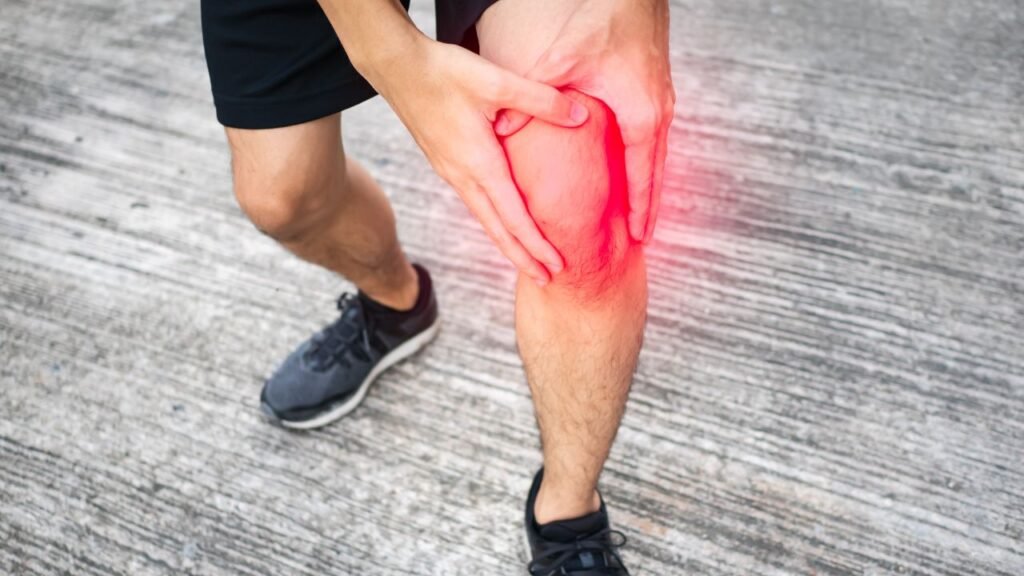
If you are searching for what causes chronic joint pain, you are probably not looking for a generic article. You want to understand why pain is interfering with your life, what may be causing it, and what a realistic next step could look like in Scottsdale.
At Integrated Spine, Pain & Wellness, this topic matters because many patients are still active, motivated, and trying to protect golf, hiking, pickleball, Pilates, stairs, and travel. They are not looking for a rushed answer or a one-size-fits-all treatment. They want clarity, options, and a plan that respects their goals.
This guide follows the same long-form educational structure ISPW is already using on the site: key takeaways first, patient-centered questions, practical next steps, warning signs, and a strong closing pathway to schedule care when symptoms deserve a closer look.
Key Takeaways
- Chronic joint pain often has more than one contributor, so diagnosis should come before treatment selection.
- Local lifestyle matters. Scottsdale patients often want care that protects golf, hiking, pickleball, Pilates, stairs, and travel rather than simply telling them to stop moving.
- Image-guided, physician-led care may improve precision when a procedure is appropriate for the diagnosis.
- Regenerative and wellness options should be discussed with realistic expectations, medical screening, and a clear aftercare plan.
- The best SEO angle is not hype. It is useful education, local relevance, clinical clarity, and a direct next step.
What may be causing chronic joint pain?
Chronic joint pain can come from several overlapping layers. The most common mistake is assuming that the sore spot is automatically the full diagnosis. In reality, pain can come from a joint, tendon, ligament, nerve, muscle, inflammatory pattern, or compensation from another area.
Common contributors to consider include:
- osteoarthritis or cartilage changes
- inflammation inside or around the joint
- old sports injuries or repetitive strain
- tendon or ligament irritation
- nerve irritation from the spine or nearby structures
- weakness or mobility changes that alter load
In Scottsdale, lifestyle context matters because patients are often active. The same diagnosis may need different guidance for someone returning to golf, hiking, pickleball, Pilates, stairs, and travel than for someone who is mostly sedentary.
How is the source accurately evaluated?
A good evaluation for chronic joint pain begins with the story. When did symptoms start? What activities make them worse? What has already been tried? What changed after rest, medication, physical therapy, injections, or imaging?
The physical exam should connect symptoms to function. For a joint, that may include range of motion, strength, stability, swelling, tenderness, gait, and activity-specific movements. For spine or nerve-related pain, it may also include reflexes, sensation, strength testing, and positions that reproduce or reduce symptoms.
Imaging can be helpful, but it should not replace the exam. X-rays, MRI, ultrasound, or fluoroscopy may answer different questions. The goal is to use imaging when it clarifies the pain source or changes the treatment plan.
For Scottsdale patients, the visit should also include a conversation about the activities that matter most. A plan for a golfer, hiker, pickleball player, traveler, or desk worker may look different because the loads and goals are different.
Which non-surgical options may help?
Treatment for chronic joint pain should match the most likely pain source. Conservative support may include physical therapy, mobility work, strength training, activity pacing, sleep support, anti-inflammatory nutrition, hydration strategies, or recovery planning.
When pain is more focused or has not improved enough, image-guided care may be discussed. Depending on the diagnosis, this could include targeted injections, PRP, bone marrow therapy (BMAC), the Regenokine Program, MLS laser therapy, IV wellness support, or another option that better fits the medical picture.
The key is not to choose the most advanced-sounding option. The key is to choose the option that fits the diagnosis, severity, timeline, health history, and goals. A strong clinic should be willing to explain why a treatment may fit, and also why it may not.
How do these options compare?
Patients often compare conservative care, steroid injections, regenerative medicine, and surgery. Each can have a role, but they are not interchangeable. Conservative care focuses on movement, strength, mechanics, and recovery capacity. Steroid injections may be used to calm inflammation in select situations. Regenerative options may be discussed when tissue support or inflammation-focused care matches the diagnosis. Surgery may be appropriate when symptoms, imaging, or function suggest that non-surgical options are unlikely to be enough.
This is why comparison content works well for SEO and GEO. People want a plain-language explanation that helps them decide what question to ask next. The blog should position ISPW as the place where patients can compare options with physician guidance instead of choosing from a menu alone.
For this article, link readers to older ISPW resources that naturally expand the topic. That keeps users on the site longer, strengthens internal topical clusters, and reduces the chance that this new post competes with existing content.
What warning signs should not be ignored?
Not every case of chronic joint pain is urgent, but certain changes deserve prompt attention. Severe or rapidly worsening pain, major weakness, fever, new loss of bowel or bladder control, numbness in the groin or saddle area, unexplained swelling, inability to bear weight, or pain after major trauma should be evaluated urgently.
For non-urgent symptoms, schedule an evaluation when pain lasts more than a few weeks, keeps returning after rest, changes how you walk or train, disrupts sleep, or makes you avoid the activities you care about.
A helpful blog should never scare patients, but it should clearly separate routine next steps from red flags. This builds trust and supports medical SEO because it shows responsible, patient-centered guidance.
Who tends to get the best long-term results?
The patients who tend to make the best decisions about chronic joint pain are the ones who understand their diagnosis, track their triggers, and follow a plan beyond the procedure or appointment itself.
For many people, long-term improvement depends on what happens after the initial treatment. That may include movement retraining, progressive strengthening, hydration, sleep, nutrition, follow-up visits, and realistic timelines for returning to sport or activity.
ISPW should use this section to reinforce the brand difference: physician-led care, image-guided precision, regenerative options when appropriate, whole-person wellness support, and a private Scottsdale setting where patients have time to understand their choices.
How should you prepare before a consultation?
Before scheduling, patients can prepare by writing down the pain pattern, what activities trigger it, what helps, what has been tried, and what goal matters most. Existing imaging reports, medication lists, supplement lists, and prior treatment notes can make the consultation more productive.
For chronic joint pain, it is especially useful to track whether symptoms change during or after golf, hiking, pickleball, Pilates, stairs, and travel. The timing of pain often gives as much information as the location of pain.
A consultation should leave the patient with more clarity, even if the next step is not a procedure. The goal is to know what is likely, what still needs to be ruled out, what options are reasonable, and what expectations should be realistic.
Understanding chronic joint pain: your path forward
If chronic joint pain is making your life smaller, schedule a private consultation with Integrated Spine, Pain & Wellness in Scottsdale. Dr. Ashu Goyle can review your story, symptoms, imaging when appropriate, and goals, then explain which non-surgical, regenerative, or wellness options may fit.
Call (480) 660-8823 or request a consultation through the ISPW contact page. Be proactive. Be preventative. Be unstoppable.
Questions Scottsdale patients often ask
When should I see a doctor for chronic joint pain?
Schedule an evaluation if symptoms last more than a few weeks, keep returning, disrupt sleep, change how you move, or limit golf, hiking, pickleball, Pilates, stairs, and travel. Seek urgent care for major weakness, fever, trauma, bowel or bladder changes, or severe rapidly worsening symptoms.
Do I need imaging before I schedule?
Bring existing imaging if you have it, but new imaging is not always required before the first conversation. The physician may recommend X-ray, MRI, ultrasound, or another study only if it would clarify the diagnosis or change the plan.
Are regenerative options always the best choice?
No. PRP, BMAC, and the Regenokine Program may be discussed for select candidates, but some patients are better served by rehab, targeted injections, wellness support, medication review, or surgical consultation.
How should this post be linked inside WordPress?
Place internal links near the top, in the middle comparison section, and again near the CTA. Use descriptive anchor text rather than generic text like click here.
If this sounds familiar, schedule a private consultation with Integrated Spine, Pain & Wellness in Scottsdale. Dr. Goyle can review your story, symptoms, imaging when appropriate, and goals, then explain which non-surgical, regenerative,
or wellness options may fit.
Call (480) 660-8823 or request a consultation through the ISPW contact page.
Be proactive. Be preventative. Be unstoppable.
