
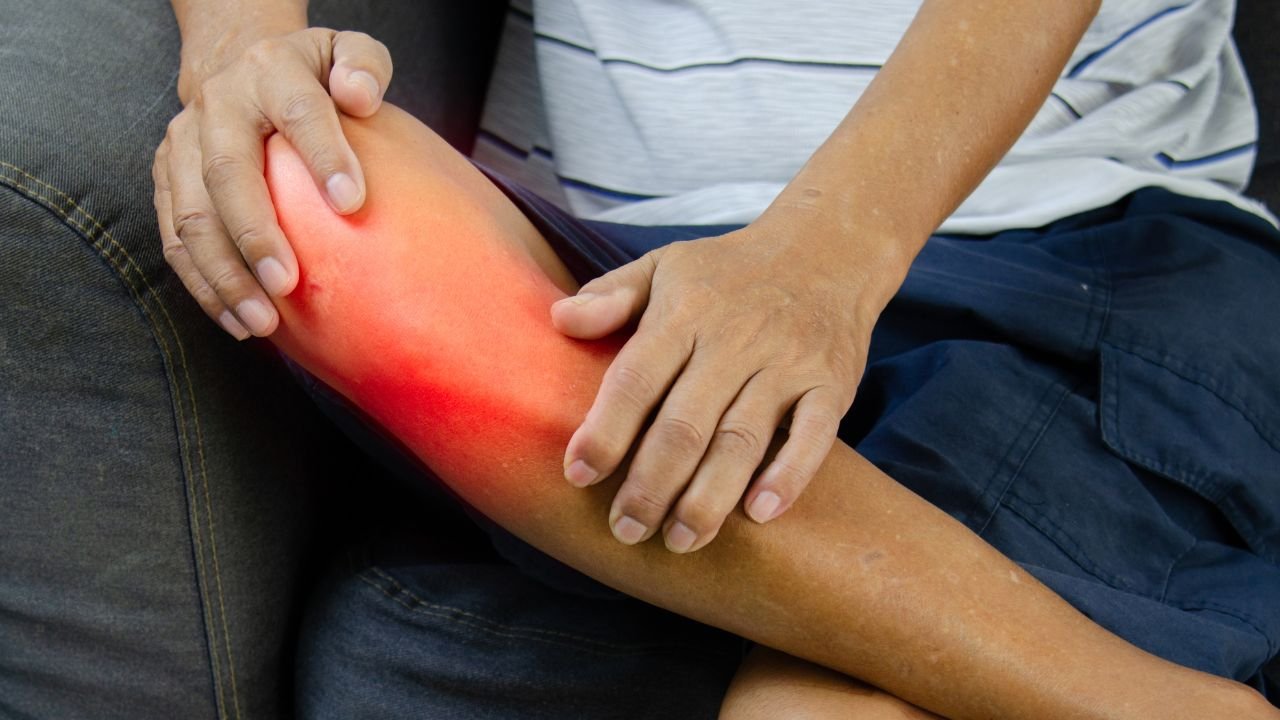
Chronic tendonitis disrupts daily activities and athletic performance when tendons fail to heal through standard conservative care. Platelet-rich plasma therapy offers a regenerative approach that uses your body’s natural healing mechanisms to address persistent tendon pain and dysfunction.
Key Takeaways:
- PRP therapy concentrates platelets from your blood to deliver growth factors that may support tissue repair and modulate inflammation in damaged tendons
- Clinical evidence shows PRP provides superior long-term relief for lateral epicondylitis compared to corticosteroid injections over 3 months to 2 years
- Treatment costs range from $500 to $2,500 per injection, with most insurance considering the procedure elective or experimental
- Success rates vary by tendon type, with tennis elbow showing stronger evidence than larger tendons like Achilles or patellar
- Combining PRP with structured rehabilitation programs improves outcomes for chronic tendinopathy
This concentrated platelets therapy has gained clinical acceptance for specific tendinopathy conditions based on growing evidence. Understanding how PRP works, which conditions respond best, and how it compares to alternative treatments helps you make informed decisions about tendon healing methods.
What Is PRP Therapy And How Does It Address Tendonitis?
Platelet-rich plasma is a concentration of platelets derived from your own blood that contains growth factors and bioactive proteins. The PRP tendonitis treatment involves drawing blood, processing it through centrifugation to separate and concentrate platelets, then injecting the resulting plasma into damaged tendon tissue.
These concentrated platelets release growth factors that may support cellular activity and tissue regeneration. The biological response modulates inflammation while promoting collagen synthesis and vascular formation necessary for tendon repair.
What Are The Key Components Of PRP?
PRP contains platelet concentrations significantly higher than baseline blood levels, typically 3 to 5 times normal values. These platelets store growth factors, including platelet-derived growth factor (PDGF), transforming growth factor-beta (TGF-β), and vascular endothelial growth factor (VEGF) within their granules.
The plasma component carries cytokines and proteins that create a favorable environment for tissue healing. Different preparation methods produce varying concentrations of leukocytes, which influence the inflammatory response and may affect clinical outcomes for specific conditions.
At ISPW, we use the APEX Biologix PRP system, which delivers superior platelet concentration and consistency compared to standard preparation methods. This advanced technology ensures you receive the highest quality platelet-rich plasma for chronic pain with optimal growth factor content.
How Do Platelets Support Tendon Healing?
Growth factors released from activated platelets bind to cell surface receptors on tenocytes and may initiate intracellular signaling pathways. PDGF may support cell proliferation and collagen production, while TGF-β regulates matrix synthesis, and VEGF promotes angiogenesis to improve blood supply to hypovascular tendon tissue.
This cascade of biological events may shift the tendon from chronic inflammation to active repair. The coordinated cellular response produces new collagen fibers and remodels damaged extracellular matrix over several months.
What Types Of Tendonitis Respond To PRP Treatment?
Lateral epicondylitis, commonly known as tennis elbow, shows the strongest clinical evidence for PRP therapy. Research demonstrates superior long-term outcomes compared to corticosteroid injections for this common elbow tendinopathy affecting forearm extensor tendons.
Achilles tendinopathy, patellar tendinopathy, rotator cuff injuries, and plantar fasciitis also represent common treatment targets. Evidence quality varies across these conditions, with smaller tendons generally responding more predictably than larger load-bearing structures.
If you’re dealing with a rotator cuff injury, you might benefit from exploring BMAC for shoulder injuries, which offers another regenerative option for complex shoulder conditions.
Which Tendon Conditions Show The Best Response To PRP?
Tennis elbow demonstrates the most consistent response to PRP therapy, with patients experiencing significant pain reduction and functional improvement that lasts 6 to 12 months or longer. The relatively small size and limited blood supply of the common extensor tendon origin make it an ideal candidate for regenerative treatment.
Golfer’s elbow, rotator cuff tendinopathy, and patellar tendinopathy also respond well to PRP injections when combined with appropriate rehabilitation. These conditions share common characteristics: chronic inflammation, failed conservative treatment, and localized pathology that allows targeted injection.
For active golfers experiencing elbow or shoulder pain, golf injury recovery treatments can help you return to the course faster.
When Does PRP Work Better Than Other Treatments?
Choose PRP if: You’ve tried physical therapy and anti-inflammatory medications without lasting relief, you want to avoid surgery, you have lateral epicondylitis or rotator cuff tendinopathy, or you’re looking for a minimally invasive option with low risk.
Choose alternative treatments when: You have acute tendon ruptures requiring surgical repair, you need immediate pain relief for an upcoming event, you have severe degenerative changes better suited to BMAC or surgical intervention, or insurance coverage is a primary concern.
How Does PRP Compare To BMAC For Tendon Injuries?
Platelet-rich plasma and bone marrow aspirate concentrate represent distinct autologous therapies with different cellular compositions and mechanisms. Both deliver growth factors to injured tissues, but BMAC contains multiple cell types, including mesenchymal stem cells that provide broader regenerative potential.
Treatment selection depends on injury severity, tissue type, patient characteristics, and cost considerations. To make an informed decision, review this detailed comparison of BMAC vs PRP.
What Are the Differences In Composition Between PRP And BMAC?
BMAC is harvested through bone marrow aspiration, typically from the iliac crest, then concentrated through centrifugation. This cellular concentrate contains mesenchymal stem cells, hematopoietic stem cells, platelets, and higher concentrations of key growth factors compared to standard PRP preparations.
BMAC requires specialized harvesting equipment and more invasive collection procedures than simple blood draws. The presence of multiple cell lineages provides differentiation capacity that pure platelet concentrates lack.
When Is PRP The Better Choice Over BMAC?
PRP offers advantages for mild to moderate tendinopathies where the simpler collection procedure and lower cost justify its use. The minimally invasive blood draw requires no bone marrow harvesting, reducing procedural discomfort and allowing faster return to activities.
Clinical guidelines generally recommend PRP therapy for chronic pain as a first-line biologic treatment before considering more invasive options. BMAC becomes more appropriate for severe degenerative conditions or cases where PRP has failed to produce adequate improvement.
What Are The Advantages And Trade-Offs Of PRP Therapy?
PRP provides shorter treatment duration and faster recovery compared to bone marrow procedures. The outpatient procedure typically takes 30 to 60 minutes, including blood processing, and patients resume light activities within days rather than weeks.
The primary trade-off involves duration of clinical benefit, typically lasting 6 to 12 months, compared to longer effects from BMAC. Cost ranges from $500 to $2,500 per treatment, significantly less than BMAC procedures that typically cost $3,000 to $7,000.
What Should You Expect During PRP Treatment For Tendonitis?
The PRP procedure begins with evaluation to confirm appropriate indications and exclude contraindications. Blood is drawn from your arm, similar to standard laboratory testing, typically collecting 30 to 60 milliliters, depending on the preparation system.
Processing occurs immediately using specialized centrifuge systems to separate blood components based on density. The concentrated platelet layer is extracted and prepared for injection into the affected tendon under ultrasound or fluoroscopic guidance.
How Is Blood Drawn And Processed To Concentrate Platelets?
Venipuncture collects whole blood into specialized tubes containing anticoagulants to prevent clotting during processing. The blood undergoes centrifugation at specific speeds and durations that separate red blood cells, platelet-poor plasma, and the platelet-rich layer.
Systems like the APEX Biologix concentration system automate this separation process, which we use at Integrated Spine, Pain & Wellness. The resulting concentrate is drawn off and may undergo a second spin to further concentrate platelets or adjust leukocyte content based on the target tissue and clinical protocol.
How Are PRP Injections Delivered to the Tendon?
Image-guided injection ensures accurate placement of PRP within the damaged tendon tissue. Ultrasound visualization allows real-time needle tracking and confirmation of intra-tendinous delivery while avoiding neurovascular structures.
The injection technique involves multiple passes through the tendon to distribute the concentrate throughout the pathological area. Local anesthesia may be used, though some protocols avoid anesthetic agents that could interfere with platelet activation or growth factor release.
For guidance on what to expect before your procedure, this article on how to prepare for your first PRP treatment covers essential pre-treatment steps.
What Rehabilitation Practices Support PRP Outcomes?
Initial rest for 24 to 48 hours after injection allows growth factor release and early cellular response. Structured rehabilitation programs incorporating eccentric loading exercises begin within one to two weeks, progressing gradually based on pain response and functional improvement.
Success rates often depend on combining PRP with structured eccentric loading rehabilitation programs that mechanically support tendon remodeling. Physical therapy protocols typically span 12 to 16 weeks, coordinating progressive loading with the biological timeline of tissue regeneration.
What Does The Clinical Evidence Say About PRP For Tendonitis?
Clinical research demonstrates variable efficacy across different tendinopathies, with the strongest evidence supporting lateral epicondylitis treatment. Systematic reviews and randomized controlled trials provide the foundation for current evidence-based guidelines issued by professional medical societies.
Long-term follow-up studies reveal sustained improvements in pain and function for responders, though not all patients achieve clinically meaningful benefits. Patient selection, preparation protocols, and rehabilitation compliance significantly influence outcomes.
How Effective Is PRP For Tennis Elbow And Other Tendon Conditions?
Evidence-based guidelines from the American Society of Pain and Neuroscience support PRP injection for lateral epicondylitis, noting superior long-term relief compared to corticosteroids over 3 months to 2 years. Systematic reviews report that significant numbers of patients with chronic tennis elbow achieve clinically important pain reduction when conservative management fails.
Tissue healing occurs in up to 71% of patients receiving PRP for rotator cuff injuries based on imaging studies. Results prove more variable for larger tendons like Achilles and patellar structures, where success depends heavily on concurrent rehabilitation programming.
Athletes dealing with chronic tendon pain can benefit from understanding how PRP therapy helps you return to activity.
What Are The Long-Term Benefits And Limitations You Should Know?
Long-term benefits include sustained pain reduction and improved function lasting 6 to 12 months in responsive patients. The autologous nature of PRP minimizes rejection risks and serious adverse events compared to synthetic or allogeneic treatments.
Limitations include variability in platelet and leukocyte concentrations that make comparing clinical trials difficult. The lack of standardized preparation protocols creates inconsistency in delivered cellular content and growth factor concentrations across different treatment facilities.
How Do Patient Experiences Vary By Tendon Type?
Smaller tendons with limited blood supply, such as those affected in tennis elbow or rotator cuff tendinopathy, generally show more consistent responses. These tissues may benefit more from the angiogenic effects of VEGF and improved vascular infiltration.
Larger weight-bearing tendons including the Achilles and patellar tendons demonstrate more variable outcomes. The mechanical demands placed on these structures during recovery may interfere with healing, requiring more careful rehabilitation protocols and longer protective periods.
What Are The Costs And Insurance Considerations For PRP?
Financial considerations significantly influence treatment decisions since most insurance plans classify PRP as experimental or investigational. Patients face out-of-pocket expenses ranging from hundreds to thousands of dollars depending on provider expertise, geographic location, and treatment complexity.
Cost comparisons with alternative treatments and surgical options inform value assessments. The global PRP market reached $650.13 million in 2025 and continues expanding as clinical acceptance grows.
How Does PRP Pricing Compare To Other Regenerative Treatments?
PRP treatments range from $500 to $750 for budget options, $1,000 to $1,200 for mid-range services, and $1,500 to $2,500 for premium protocols. These variations reflect differences in preparation systems, imaging guidance, physician expertise, and whether single or multiple injection sites are treated.
BMAC costs substantially more, ranging from $3,000 to $3,600 for budget options up to $6,000 to $7,000 for premium services. Stem cell therapies represent the highest cost category, with prices from $4,000 to $5,000 at the low end and $15,000 to $25,000 or more for advanced protocols.
What Factors Influence Your Decision About PRP Treatment?
Efficacy ranks as the highest priority, with patients seeking treatments most likely to reduce pain and restore function. Safety concerns regarding adverse events or complications influence decisions, though autologous therapies like PRP carry lower risks than synthetic options.
Cost represents a significant barrier given the lack of insurance coverage requiring full out-of-pocket payment for most treatments. Recovery time and the ability to maintain work and daily activities during treatment also factor into decision-making processes.
How Does Location And Demographics Affect Access To PRP?
Metropolitan areas like Scottsdale show higher adoption rates among eligible patients due to greater provider availability and access to fellowship-trained specialists. Our location in North Scottsdale serves active adults, professionals, and retirees seeking advanced regenerative treatments.
Demographic patterns reveal that middle-aged adults aged 45 to 65 represent the primary market segment seeking relief from orthopedic conditions. Younger patients under 45 increasingly pursue these therapies for performance enhancement and injury prevention rather than solely pain management.
For competitive and recreational athletes, PRP therapy helps you recover faster and stay active without extended downtime.
What Are The Future Trends In PRP And Regenerative Medicine?
The regenerative medicine market is experiencing rapid expansion, valued at approximately $88.36 billion in 2025. Projections indicate growth to between $340 billion and $403.86 billion by 2032 to 2035, representing a compound annual growth rate of 16.72% to 25.1%.
This growth reflects a paradigm shift in healthcare, moving from symptom management to addressing root causes of injury by harnessing the body’s natural healing mechanisms. The United States accounts for over 55% of the global market, driving innovation and clinical adoption.
How Is Standardization Improving PRP Treatment Consistency?
Research efforts focus on establishing standardized preparation protocols that specify exact platelet and leukocyte concentrations for different clinical indications. Guidelines are emerging that distinguish between leukocyte-rich and leukocyte-poor formulations, matching preparation methods to tissue types and pathological conditions.
Regulatory bodies and professional societies are developing quality control standards for PRP preparation. These efforts aim to reduce the variability that currently complicates clinical trial comparisons and makes outcome prediction difficult.
What Innovations Are Shaping The PRP Market?
The PRP market is projected to reach $1,751.45 million by 2033, expanding at a compound annual growth rate of 13.2%. The orthopedics segment accounts for 25.38% of revenue share in 2025, driven by increasing sports participation and musculoskeletal injury rates.
Advanced preparation systems are being developed that offer point-of-care processing with greater automation and consistency. Integration with advanced imaging modalities improves injection precision, while combination therapies pairing PRP with other biologics or biomaterials show promise in early research.
How Are Equity And Access Challenges Being Addressed?
Frameworks for improving access to regenerative medicine in underserved populations are being developed by researchers and policymakers. Proposed solutions include decentralized manufacturing, telehealth consultations for patient selection, and mobile treatment units to reach rural areas.
Cost reduction strategies involve standardizing preparation methods to lower equipment costs and training more practitioners in these techniques. Efforts to secure insurance coverage for evidence-supported indications could dramatically expand access if successful.
What Are The Safety Considerations For PRP Treatment?
Safety profiles for autologous PRP remain favorable compared to many pharmaceutical and surgical interventions. The use of your own blood eliminates risks of immune rejection or disease transmission associated with allogeneic products.
Adverse events typically involve minor local reactions rather than serious systemic complications. Understanding potential risks allows you to make informed decisions and helps clinicians implement risk mitigation strategies.
How Safe Is Autologous PRP Compared To Other Treatments?
Autologous PRP demonstrates excellent safety due to its biological origin from your own blood. Serious adverse events are rare, with most reported complications involving temporary injection site reactions like pain, swelling, or bruising.
Compared to corticosteroid injections, PRP carries lower risks of tendon weakening or rupture. Surgical alternatives involve higher complication rates, including infection, nerve damage, and prolonged recovery periods that PRP avoids.
What Potential Side Effects Should You Be Aware Of?
Local pain and soreness at the injection site occur commonly in the first 48 to 72 hours following treatment. This temporary increase in discomfort typically resolves within one week and may be managed with ice and acetaminophen.
Risk of infection exists with any injection procedure, but remains very low with proper sterile technique. Variable results depending on preparation methods and individual healing responses represent the primary limitation rather than a safety concern.
How Can Risks Be Minimized During Treatment?
Proper patient screening excludes individuals with bleeding disorders, active infections, or conditions that may impair healing. Sterile technique during blood collection, processing, and injection prevents infectious complications.
Image guidance using ultrasound or fluoroscopy ensures accurate needle placement within the target tendon. Post-procedure protocols, including appropriate rest periods and gradual return to loading activities, prevent premature stress on healing tissues.
Your Next Steps: Exploring PRP As Part Of Comprehensive Tendonitis Care
Platelet-rich plasma represents a valuable option in the comprehensive management of chronic tendinopathy when conservative treatments have failed. The therapy delivers concentrated growth factors that may support tissue repair through natural biological mechanisms, offering pain relief strategies that address underlying pathology rather than simply masking symptoms.
Clinical evidence supports PRP for specific conditions, including lateral epicondylitis, with growing data for rotator cuff injuries and other tendinopathies. Success requires careful patient selection, standardized preparation protocols, and integration with structured rehabilitation programs that optimize functional outcomes.
At Integrated Spine, Pain & Wellness, Dr. Ashu Goyle brings Cleveland Clinic fellowship training and double board certification in Anesthesiology and Pain Medicine to evaluate whether PRP or alternative regenerative treatments match your specific condition. As Arizona’s exclusive provider of Regenokine® therapy and one of the few practices offering MLS M7 laser therapy, we provide access to the most advanced regenerative options available.
Our approach combines precision-guided PRP injections using the APEX Biologix system with personalized rehabilitation protocols designed to support long-term healing. Whether you’re dealing with tennis elbow that’s limited your golf game, chronic shoulder pain that’s affecting your workouts, or Achilles tendinopathy that’s kept you off the trails, we develop treatment plans tailored to your goals and lifestyle.
If chronic tendinopathy limits your activities despite conservative care, schedule a consultation to explore whether PRP therapy or alternative regenerative treatments align with your needs. Board-certified specialists provide comprehensive evaluation and evidence-based treatment planning to help you return to the activities you love.


