
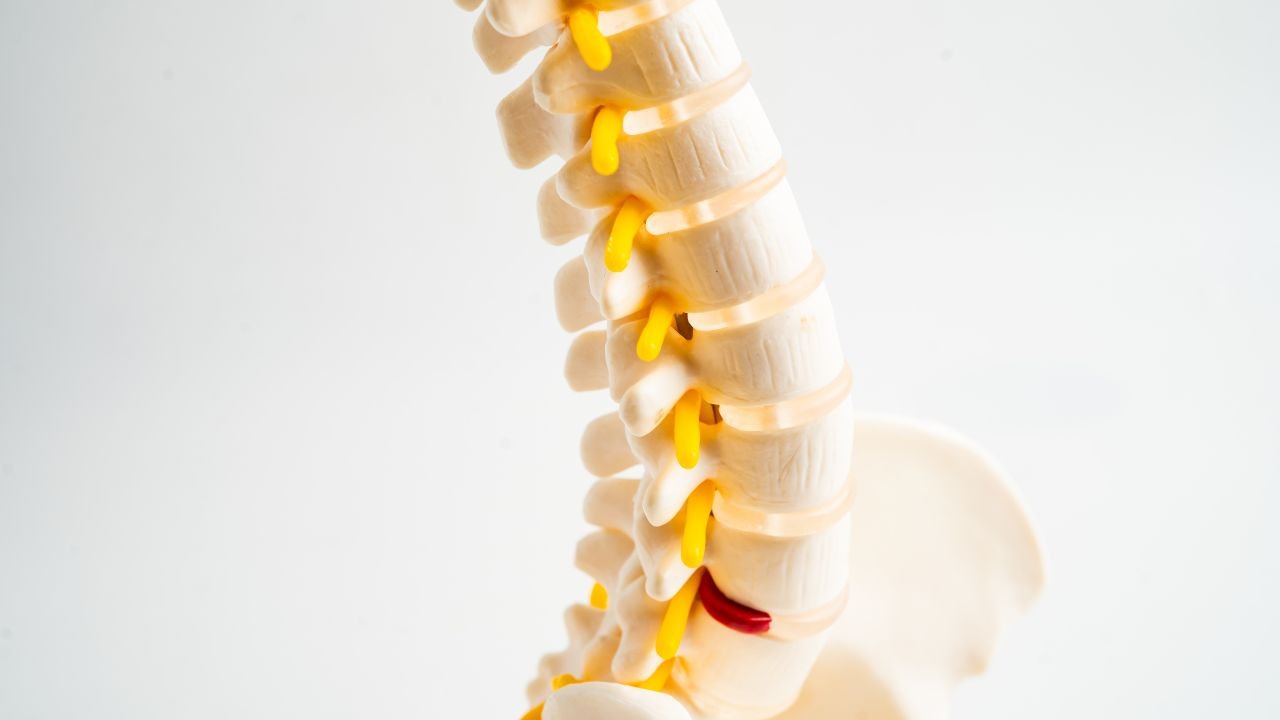
Herniated disc alternatives allow many patients to manage pain and restore function without invasive surgery. These options range from conservative treatments like physical therapy to advanced interventional procedures targeting specific pain sources. Understanding the full spectrum of non-surgical disc treatment helps patients make informed decisions about their spine care journey.
The decision to pursue surgery should come after exploring conservative options thoroughly. Research indicates that 39.0% of adults aged 18 and over have experienced back pain in the past three months. This widespread prevalence drives the need for effective pain relief strategies that address root causes while minimizing risks.
Key Takeaways:
- Physical therapy and epidural injections serve as first-line treatments for herniated disc pain
- Minimally invasive spine procedures offer positive outcomes with shorter hospital stays
- Conservative treatment for 6-12 weeks is recommended before considering surgical options
- Women experience back pain at higher rates than men, with 40.6% versus 37.2% prevalence
- Shared decision-making between patients and providers improves treatment outcomes
What Is A Herniated Disc And Why Does It Cause Pain?
A herniated disc occurs when the soft inner material of an intervertebral disc pushes through its outer layer. This displacement can compress nearby nerves, causing pain, numbness, or weakness radiating into the arms or legs. The spine’s intervertebral discs function as shock absorbers between vertebrae, allowing flexibility and movement. When a disc herniates, normal spinal biomechanics become disrupted, potentially affecting posture and mobility.
Degenerative disc disease represents the gradual breakdown of intervertebral discs over time due to aging and wear. This natural process reduces the disc’s water content, making it less flexible and more prone to tears. Acute trauma from heavy lifting, sudden twisting, or falls can also cause disc herniation. Repetitive strain from occupational activities or sports contributes to cumulative disc damage over years.
How Does Nerve Compression Affect Your Body?
Bulging or herniated discs involve displacement of disc material that directly compresses spinal nerve roots. This compression interferes with normal nerve signal transmission, producing radicular pain that follows specific nerve pathways. Symptom severity correlates with the degree of nerve compression and inflammation present.
Nerve compression may cause motor weakness, affecting muscle strength in affected limbs. Sensory changes like tingling, numbness, or burning sensations indicate nerve involvement requiring prompt evaluation. Progressive neurological symptoms warrant immediate medical attention to prevent permanent nerve damage. Peripheral neuropathy symptoms may accompany disc-related nerve compression.
What Symptoms Should Concern You?
Back pain affects 39.0% of adults aged 18 and over in the United States. Adults aged 65 and older report the highest prevalence at 45.6%, followed by those 45-64 at 44.3%. This age-related increase reflects cumulative disc degeneration and associated spinal changes.
Women experience back pain more frequently than men, with prevalence rates of 40.6% versus 37.2%. Geographic location also influences back pain rates, with rural areas reporting 42.8% compared to 37.3% in large metropolitan areas. These demographic variations highlight the need for accessible spine care across diverse populations.
Why Should You Try Non-Surgical Options First?
Surgery carries inherent risks that conservative treatments do not, making non-surgical approaches the preferred initial strategy. Surgical complications represent the highest priority concern for patients contemplating invasive procedures. Most herniated discs respond favorably to conservative management, making surgery unnecessary for the majority of patients.
Failed Back Surgery Syndrome occurs when patients experience persistent pain following spinal surgery despite technically successful procedures. This condition affects a significant percentage of surgical patients and requires specialized care. Conservative treatment avoids this risk entirely while providing effective relief for most individuals.
- Choose conservative treatment if: You have manageable symptoms, can participate in active therapy, and want to avoid surgical risks while preserving future treatment options.
- Choose surgical consultation when: You experience progressive neurological deficits, severe functional limitations despite 6-12 weeks of conservative care, or symptoms that significantly impair quality of life.
What Are the Real Risks Of Spine Surgery?
Surgical complications include infection, bleeding, nerve damage, and adverse reactions to anesthesia. These risks increase with patient age, comorbidities, and procedural complexity. Recovery from spine surgery typically requires weeks to months, with restrictions on activity and work. Scar tissue formation can create new sources of pain or functional limitations. The financial burden of surgery, including lost wages during recovery, often exceeds conservative treatment costs substantially.
How Do Your Preferences Shape Treatment Decisions?
Patients increasingly prioritize treatments that preserve function while minimizing recovery time and complications. Optimal treatment balances pain control against potential side effects. This individualized approach recognizes that each patient’s tolerance for risk and desired outcomes varies significantly.
Recovery time strongly influences treatment decisions, as patients seek to return to work and activities quickly. Cost considerations, including insurance coverage and out-of-pocket expenses, affect treatment accessibility. Long-term outcomes matter more to patients than short-term symptom relief.
What Non-Surgical Treatments Work For Herniated Discs?
Conservative treatments form the foundation of herniated disc management, offering low-risk options for symptom control. Most patients experience significant improvement within 6-12 weeks of starting conservative care protocols. Multimodal treatment combining several approaches simultaneously often yields better results than single-modality therapy.
This strategy addresses pain from multiple angles while supporting natural healing processes. Patient adherence to treatment recommendations significantly influences outcomes for non-surgical disc treatment approaches.
How Does Physical Therapy Support Healing?
Physical therapy for herniated discs focuses on strengthening core muscles, improving flexibility, and correcting movement patterns. Therapists design individualized exercise programs that address specific deficits contributing to pain and dysfunction. A 12-month physical therapy course averages $11,151, making it a significant but worthwhile investment.
Active exercises promote disc healing by improving nutrient delivery and reducing inflammation through increased blood flow. Patients who complete physical therapy programs report higher satisfaction and lower recurrence rates. The benefits extend beyond pain relief to include functional restoration and injury prevention.
What Role Does Injection Therapy Play?
Epidural injections for nerve compression deliver anti-inflammatory medication directly to irritated nerve roots near herniated discs. Epidural steroid injections average $1,050 per treatment and may provide relief lasting weeks to months for many patients. This injection therapy targets inflammation at its source, reducing pain signals from compressed nerves.
Facet joint injections address pain originating from small joints connecting vertebrae, which often become inflamed alongside disc problems. These injections average $630 and serve both diagnostic and therapeutic purposes. Combined with physical therapy, injection therapy often provides sufficient relief to avoid surgical intervention entirely.
Do Medications Help Manage Symptoms?
NSAIDs for muscle spasms reduce inflammation and pain when used appropriately for short-term symptom control. These medications work by blocking prostaglandins that trigger inflammatory responses contributing to back pain. However, long-term NSAID use carries gastrointestinal and cardiovascular risks requiring careful monitoring.
Muscle relaxants help break the pain-spasm cycle that often accompanies acute disc herniation episodes. These medications support rest and healing by reducing involuntary muscle contractions that worsen pain. Combining medications with physical therapy and activity modification typically produces better outcomes than medication alone.
How Do Minimally Invasive Procedures Bridge Conservative And Surgical Care?
Minimally Invasive Spine Surgery uses smaller incisions and specialized techniques to reduce tissue damage compared to traditional approaches. These procedures occupy the middle ground between conservative care and major surgery, offering effective alternatives for appropriate candidates. MISS techniques have transformed spine care by providing powerful treatment options with significantly reduced recovery burdens.
Patient selection determines success with minimally invasive procedures, as not all herniated discs require this level of intervention. Proper evaluation ensures symptoms, imaging findings, and patient goals align with procedural capabilities.
What Minimally Invasive Options Exist?
Microdiscectomy for disc herniation removes the portion of disc material compressing nerve roots through small incisions. This procedure achieves positive outcomes for appropriately selected patients with radicular symptoms. Recovery typically requires weeks rather than months, with many patients returning to work within 2-4 weeks.
Laminectomy for spinal stenosis removes bone and tissue compressing the spinal canal. Spinal fusion for degenerative disc disease joins two or more vertebrae to eliminate painful motion at diseased segments. These procedures are considered after conservative treatments fail to provide adequate relief for 6-12 weeks.
When Should You Consider These Procedures?
Imaging must demonstrate structural abnormalities that correlate with clinical symptoms and functional limitations. Quality of life impact guides timing, as procedures become appropriate when pain prevents essential daily activities. The shared decision-making model requires thorough discussion of procedural risks, benefits, and alternatives before proceeding.
Patients must understand realistic outcome expectations and post-procedure rehabilitation requirements for optimal results. Emergency situations like progressive neurological deficits may warrant earlier intervention to prevent permanent damage.
How Do They Compare To Traditional Surgery?
MISS shows reduced tissue damage compared to traditional open surgery by preserving muscle attachments and minimizing bleeding. Shorter hospital stays characterize minimally invasive approaches, with average stays of 2.8 days versus longer hospitalizations for open procedures. Faster recovery times allow earlier return to work and normal activities, reducing indirect costs significantly.
Studies indicate that many MISS patients report positive outcomes following their procedures. Reduced post-operative pain and lower infection rates contribute to higher patient satisfaction with minimally invasive techniques. These advantages make MISS an attractive option for patients seeking effective treatment without traditional surgery’s drawbacks.
How Can Regenerative Medicine Support Disc Healing?
Regenerative medicine represents an advanced approach that aims to support the body’s natural healing capacity rather than simply masking symptoms. These therapies use the patient’s own cells and growth factors to create an environment conducive to tissue repair. Regenerative approaches may include platelet-rich plasma (PRP) therapy, bone marrow concentrate (BMAC), and other autologous treatments.
Unlike traditional pain management that focuses on symptom control, regenerative medicine seeks to address underlying tissue damage. Treatments are designed to support cellular repair mechanisms and reduce inflammation at the source. Stem cell therapy for back pain represents one option in the regenerative medicine spectrum.
What Makes Regenerative Approaches Different?
Regenerative therapies harness the healing factors naturally present in your own blood or bone marrow. PRP concentrates platelets that release growth factors supporting tissue repair and reducing inflammation. BMAC therapy uses stem cells from your bone marrow that may support the body’s healing capacity in damaged areas.
These treatments avoid third-party donor materials, using only autologous (your own) cells and tissues. This approach minimizes rejection risks and supports the body’s innate repair mechanisms. Treatment protocols typically combine regenerative therapies with rehabilitation to optimize outcomes.
When Should You Consider Regenerative Options?
Regenerative medicine may be appropriate when conservative treatments provide insufficient relief but you want to avoid surgery. These therapies work best for patients committed to following post-treatment rehabilitation protocols. Ideal candidates have realistic expectations about outcomes and timelines for improvement.
Not every patient is a candidate for regenerative medicine, as success depends on multiple factors including age, overall health, and condition severity. A comprehensive evaluation determines whether regenerative approaches align with your specific situation and goals.
How Should You And Your Doctor Make Treatment Decisions Together?
The shared decision-making model empowers patients to participate actively in treatment planning with healthcare providers. This collaborative approach balances medical expertise with patient values, preferences, and individual circumstances. Effective communication between patients and providers improves adherence to treatment plans and overall satisfaction with outcomes.
Transparent discussion of treatment options, including risks and expected outcomes, forms the foundation of shared decision-making. Patients bring essential information about symptoms, functional limitations, and treatment goals to the conversation. Providers contribute clinical expertise, diagnostic interpretation, and evidence-based recommendations tailored to each patient’s situation.
What Does The AAOS Recommend?
The American Academy of Orthopaedic Surgeons advocates for shared decision-making between patients and surgeons before spine procedures. This model requires exhausting non-operative options before considering surgical intervention for most spine conditions. Patients must demonstrate that conservative treatments have failed to provide acceptable symptom control and function.
The surgeon ensures imaging findings strongly correlate with the patient’s specific clinical symptoms. Quality of life assessment determines whether the condition significantly limits daily activities despite conservative care efforts. This systematic approach reduces unnecessary surgeries while ensuring appropriate patients receive timely intervention when needed.
How Important Is The Connection Between Imaging And Symptoms?
Imaging findings must correlate with clinical symptoms before surgery consideration, as many asymptomatic individuals have disc abnormalities. MRI scans may reveal herniated discs that cause no symptoms and require no treatment. The surgery decision requires anatomic correlation with symptoms, not just the presence of structural abnormalities.
Discordance between imaging and symptoms suggests other factors may contribute to pain beyond visible disc pathology. Advanced diagnostic techniques, including diagnostic injections, help clarify pain sources when imaging and symptoms don’t align clearly.
What Is The Standard Treatment Pathway?
Initial assessment and diagnostic imaging establish the structural basis for symptoms and guide treatment planning. Conservative treatment for 6-12 weeks focuses on exercise and physical therapy to support natural healing and function. Active therapies that promote movement and strength prove more effective than passive treatments in most cases.
Interventional treatments like injections provide next-level care if conservative approaches fail to produce adequate improvement. Surgical consultation becomes appropriate for patients with persistent severe symptoms that significantly impair function despite conservative efforts.
What Results Can You Expect From Non-Surgical Treatment?
Conservative therapies provide effective relief for the majority of herniated disc patients within 6-12 weeks of treatment. Natural healing processes occur as inflammation subsides, and the body’s repair mechanisms activate over time. Patient adherence to exercise programs and activity modifications significantly influences recovery speed and completeness.
Most patients experience gradual improvement rather than sudden resolution, with pain decreasing incrementally over weeks. Functional restoration often precedes complete pain elimination, allowing return to activities before symptoms disappear entirely. Realistic expectations about recovery timelines improve patient satisfaction and adherence to recommended protocols.
How Effective Are Conservative Therapies Over Time?
Physical therapy combined with pain management produces significant improvement in a substantial percentage of patients within three months. Exercise programs that strengthen core muscles and improve flexibility reduce recurrence rates compared to passive treatments. Long-term outcomes favor active rehabilitation over medication-only approaches for sustained symptom control.
These approaches aim to restore function and support the body’s healing capacity rather than simply managing symptoms. Early research into regenerative therapies suggests promise, though long-term outcome data continues to develop.
How Do You Track Progress?
Pain intensity scales track symptom severity changes over time, providing objective measures of treatment response. Functional assessments measure the ability to perform daily activities, work tasks, and recreational pursuits without limitations. Quality of life impact assessment determines whether symptoms significantly affect overall well-being.
Return-to-work timelines serve as important outcome measures for working-age patients. Physical performance tests like walking distance, lifting capacity, and flexibility quantify functional improvements objectively. Patient-reported outcome measures capture subjective improvements in symptoms and function that matter most to individuals.
When Does Surgery Become Necessary?
Prolonged delays in necessary surgical intervention can lead to poorer outcomes when conservative care clearly fails. Progressive neurological deficits like muscle weakness or bowel/bladder dysfunction warrant urgent surgical evaluation to prevent permanent damage.
Persistent severe symptoms despite 6-12 weeks of comprehensive conservative treatment justify surgical consultation for appropriate candidates. The decision balances the risks of surgery against the burden of ongoing symptoms and functional limitations. Some patients may choose to continue conservative management even when surgical criteria are met based on personal preferences.
Finding The Right Path Forward For Your Herniated Disc
Non-surgical alternatives offer effective pain relief strategies for most patients with herniated discs without surgical risks. Conservative treatments, injection therapy, and minimally invasive procedures provide a comprehensive spectrum of options before traditional surgery. Success with these approaches requires patient commitment to rehabilitation protocols and realistic expectations about recovery timelines.
Treatment costs vary significantly based on location and healthcare setting, with conservative care typically more affordable than surgical options. The key is finding a provider who offers the full range of herniated disc alternatives and tailors treatment to your specific condition and goals.
At Integrated Spine, Pain & Wellness, Dr. Ashu Goyle combines Cleveland Clinic-trained expertise with advanced regenerative medicine approaches to deliver personalized spine care. Our treatment philosophy prioritizes healing over symptom management, using evidence-based conservative therapies alongside cutting-edge regenerative options when appropriate. We’re Arizona’s exclusive Regenokine® provider and one of the few practices offering MLS M7 Laser Therapy, technologies designed to support your body’s natural healing capacity without relying on opioids or invasive surgery.
Contact ISPW Scottdale to schedule a comprehensive evaluation and discover how our multimodal approach can help you achieve lasting relief without surgery.


