
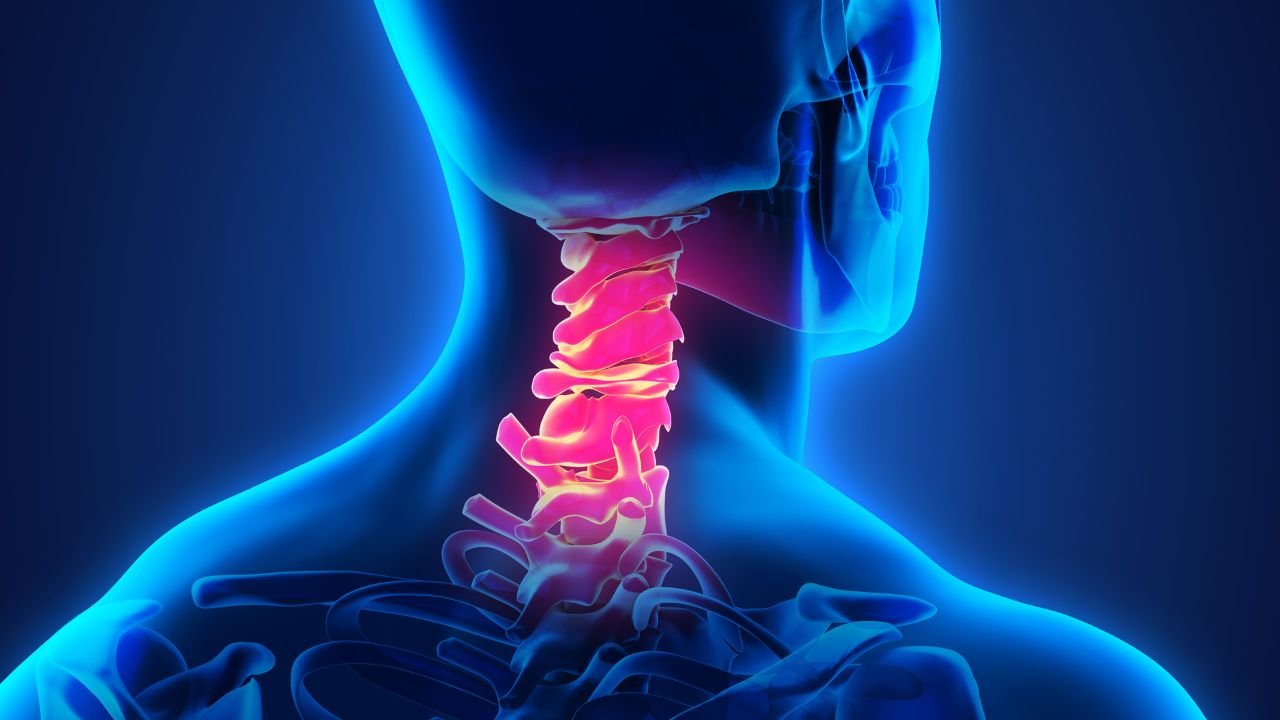
You’ve just gotten the imaging results back, and your doctor points to the screen. “See these? Those are bone spurs.” Your first thought might be surgery, visions of lengthy recovery times and months away from golf, pickleball, or the activities that keep you active.
Here’s what you need to know: bone spurs on the spine or neck don’t automatically mean you’re headed to the operating room. Most cases respond effectively to conservative treatments without surgical intervention. The key is understanding when surgery becomes necessary versus when non-surgical approaches can provide the relief you’re looking for.
As a board-certified anesthesiologist and pain specialist trained at the Cleveland Clinic, I’ve helped hundreds of active individuals navigate this exact decision. Pain specialist advice consistently emphasizes a staged treatment approach that prioritizes less invasive options first. Surgery becomes the recommended path only when specific criteria are met, such as nerve compression causing neurological deficits that conservative care hasn’t addressed.
Key Takeaways:
- Bone spurs form as your body’s natural response to cartilage loss from osteoarthritis
- Physical therapy provides better long-term relief than glucocorticoid injections for many patients
- Surgery is reserved for cases involving nerve compression or failed conservative treatment
- Minimally invasive techniques reduce recovery time compared to traditional open procedures
- Patient preferences strongly favor non-surgical options when effective pain relief is achievable
What Are Bone Spurs And How Do They Form in Your Spine?
Bone spurs, medically called osteophytes, aren’t actually “spurs” that jab into surrounding tissues. They’re smooth, bony projections that develop along the edges of your vertebrae as your spine attempts to stabilize itself. Think of them as your body’s well-intentioned but sometimes problematic attempt to adapt to joint deterioration.
The formation process occurs gradually over years. Cartilage acts as a cushion between your vertebrae, allowing smooth, pain-free movement. When that cartilage deteriorates from osteoarthritis or repetitive stress, your bones lose their protective cushioning and begin rubbing together. Your body responds by depositing additional bone tissue along joint margins in an attempt to increase surface area and redistribute the load.
Here’s the crucial part: bone spurs themselves aren’t the enemy. They’re a symptom of underlying osteoarthritis rather than a standalone condition. Many people develop spinal bone spurs that never produce symptoms throughout their entire lifetime. These silent osteophytes appear incidentally on imaging studies performed for unrelated reasons.
When do bone spurs become problematic? Symptoms arise when these growths extend into the spinal canal or nerve pathways, compressing nerve roots. This compression produces radiating pain, numbness, or weakness in your arms or legs depending on which spinal level is affected. Bone spurs neck issues can cause pain radiating into your shoulders or down your arms, while lumbar bone spurs produce similar symptoms in your buttocks and legs.
Severe cases involving significant nerve compression can cause muscle weakness and coordination problems. You might experience difficulty with fine motor tasks or maintaining balance during morning walks. Progressive symptoms warrant immediate evaluation to prevent permanent nerve damage, but this level of severity is far less common than mild, manageable cases.
How Effective Are Non-Surgical Treatments For Spine And Neck Bone Spurs?
Conservative management forms the foundation of spinal bone spur treatment for most patients. Non-surgical spine pain options, including medications, physical therapy, and targeted injections, address symptoms effectively for the majority of patients.
NSAIDs And Anti-Inflammatory Medications
NSAIDs like ibuprofen, naproxen, and diclofenac reduce inflammation and held 41.43% of the pain management market share in 2025. These medications provide accessible first-line relief for mild to moderate symptoms at $5-$25 per month for over-the-counter options.
Long-term use can cause gastrointestinal issues, cardiovascular risks, and kidney problems. They’re best viewed as part of a broader treatment strategy rather than a standalone long-term solution.
Physical Therapy: The Gold Standard For Long-Term Relief
A landmark New England Journal of Medicine study with 156 participants compared physical therapy versus glucocorticoid injections. Physical therapy achieved a WOMAC score of 37.0 at one year, significantly outperforming glucocorticoid injections at 55.8. Lower scores indicate better outcomes, meaning physical therapy patients experienced substantially less pain and better function.
Physical therapy directly addresses the biomechanical factors contributing to your bone spur symptoms. Targeted exercises strengthen supporting muscles around your spine, improve posture to reduce joint stress, and enhance overall movement patterns. Survey data shows 45.9% of patients preferred outpatient physical therapy as their primary treatment, with 38.0% specifically valuing long-term positive effects.
The importance of physical therapy lies in consistent participation over several months. Success requires finding a skilled physical therapist who understands spinal mechanics and committing to both supervised sessions and home exercises.
Targeted Injections: Precision Relief When You Need It
Epidural steroid injections deliver concentrated anti-inflammatory medication directly to affected nerve roots. This targeted approach provides relief lasting weeks to months for many patients. We use advanced ultrasound and fluoroscopy guidance to place medication exactly where inflammation is causing your symptoms.
Long-term studies confirm that physical therapy’s benefits prove more durable than injection-based symptom management alone. Injections can provide the pain relief you need to participate fully in physical therapy, creating a powerful combination.
Regenerative Medicine: An Emerging Alternative
Regenerative treatments including Platelet-Rich Plasma (PRP) and stem cell injections aim to stimulate your body’s natural healing processes. The benefits of regenerative medicine include potentially addressing underlying tissue damage rather than just managing symptoms.
Clinical evidence for regenerative approaches to bone spurs remains mixed compared to established treatments. Insurance coverage stays limited, creating out-of-pocket costs from $500 to $7,000. Determining if you’re a candidate for regenerative medicine requires thorough evaluation by specialists familiar with these protocols.
Choose Conservative Treatment When:
- Your symptoms are mild to moderate and manageable with current approaches
- You can commit to a consistent physical therapy program over several months
- Imaging shows bone spurs without significant nerve compression
- You want to avoid surgical risks and recovery time
Consider Escalating Treatment When:
- Conservative approaches haven’t provided adequate relief after 3-6 months of consistent effort
- Symptoms progressively worsen despite appropriate conservative care
- Nerve compression causes muscle weakness or coordination problems
- Pain significantly limits your quality of life and daily activities
When Does Surgery Become Necessary For Bone Spurs?
Surgery becomes appropriate when conservative treatments fail after three to six months of consistent, properly executed effort. Specific indications include progressive neurological deficits like muscle weakness or coordination loss. Emergency surgical intervention is necessary for rare cases involving loss of bowel or bladder control, this represents cauda equina syndrome that demands immediate attention.
The decision to proceed with surgery balances your symptom severity against procedural risks and recovery demands. As a double board-certified anesthesiologist and interventional pain specialist, I evaluate imaging findings alongside your clinical presentation to determine surgical candidacy.
Here’s what many patients don’t realize: surgery addresses the bone spurs and nerve compression, but it doesn’t cure the underlying osteoarthritis that produced those bone spurs. Adjacent segments of your spine can continue degenerating, potentially requiring additional interventions.
Laminectomy: The Standard Surgical Approach
Laminectomy removes the lamina, the back part of the vertebra, along with bone spurs to enlarge the spinal canal and relieve nerve compression. Cervical laminectomy success rates for nerve decompression range from 42% to 92%, depending on patient selection and surgeon experience.
Many patients experience excellent relief from radiating arm or leg pain after successful nerve decompression. However, back pain or neck pain may persist even after successful surgery because the underlying arthritis remains.
Minimally Invasive vs. Traditional Surgical Techniques
Minimally invasive laminectomy uses a tubular retractor system to separate rather than cut muscle fibers. Your surgeon employs a surgical microscope to remove bone spurs through a smaller incision, typically 1-2 inches versus 3-4 inches for traditional approaches. This technique reduces tissue trauma and accelerates recovery to 2-4 weeks versus 4-6 weeks for traditional methods.
Traditional laminectomy requires a midline incision and stripping of paraspinal muscles from bone. Greater tissue disruption leads to increased postoperative pain and longer rehabilitation. The minimally invasive alternative preserves muscle integrity, allowing faster return to normal activities with less scarring.
Understanding Surgical Risks And Long-Term Outcomes
Laminectomy successfully relieves nerve compression symptoms but cannot reverse underlying spinal arthritis. Persistent neck joint health concerns remain common as degenerative changes continue. Posterior cervical fusion, sometimes performed alongside laminectomy for stability, carries a 9.9% reoperation rate at an average of 2.4 years.
Surgical complications include infection (1-3% of cases), bleeding, nerve damage, cerebrospinal fluid leaks, and general anesthesia risks. Thorough preoperative evaluation helps identify candidates most likely to benefit while minimizing complication risks.
How Do Patient Preferences Shape Treatment Decisions?
Your attitudes about treatment significantly shape which approaches you’ll actually follow through with consistently. Survey data reveals diverse priorities. Oral medications ranked as the preferred option for 33.1% of respondents. Previous positive experiences drove treatment selection for 54.4% of patients. Easy access to treatment motivated 33.1%, while 28.9% prioritized avoiding drug side effects.
These preferences reflect practical realities beyond pure clinical efficacy. You value convenience and familiarity when symptoms are manageable with accessible options. Active individuals in their 50s and 60s often express strong preferences for treatments that don’t interfere with their golf game or hiking schedule.
How Age Affects Treatment Compliance
Generation X demonstrated an adjusted odds ratio of 1.62 for completing structured programs compared to Millennials. Baby Boomers showed even greater completion rates with an AOR of 2.24. These findings suggest older generations exhibit higher compliance with time-intensive rehabilitation protocols.
The global population aged 60 or older is projected to reach 1.4 billion by 2030, dramatically increasing demand for effective bone spur management strategies. Older adults often prefer conservative approaches that preserve function without surgical recovery periods.
Geographic Disparities In Access
Rural chronic pain prevalence reaches 30.9% compared to just 19.6% in urban areas. Limited access to specialized physical therapy clinics in rural areas restricts conservative treatment options. Geographic isolation forces greater reliance on pharmacological interventions despite patient preference for alternatives.
What Do Treatment Costs Look Like For Non-Surgical vs. Surgical Options?
Financial realities significantly influence treatment decisions. The U.S. joint pain injections market reached $2.32 billion in 2024 and projects growth to $4.76 billion by 2032. Individual corticosteroid injections cost approximately $500, while physical therapy sessions run $75-$150 each, with typical courses totaling $900-$3,600 over several months.
Over-the-counter NSAIDs provide the most affordable option at $5-$25 per month. Conservative management costs remain substantially lower than surgical alternatives while providing effective relief for many patients.
Surgical Procedure Costs
Laminectomy procedures cost $15,000-$90,000 depending on complexity, geographic location, and hospital setting. These figures represent facility charges before considering surgeon fees, anesthesia, and postoperative care.
High surgical costs motivate patients to exhaust conservative options before considering invasive procedures, which aligns well with medical best practices. Insurance requirements for prior authorization often mandate documented failure of non-surgical treatments before approving surgery.
What Do Spine Specialists Actually Recommend?
Specialist perspectives emphasize treating bone spurs as symptoms of underlying joint degeneration rather than isolated problems. Effective management addresses root causes like osteoarthritis while providing symptomatic relief. This philosophy aligns perfectly with our practice approach, we don’t just manage pain; we focus on healing.
The Case for Prioritizing Conservative Care
Treatment focuses on the underlying arthritis causing bone spur development rather than the osteophytes themselves. Conservative approaches including physical therapy and targeted injections provide effective symptom management for most patients. Stem cell therapy for neck pain represents an emerging option for patients seeking non-surgical relief when conventional treatments haven’t provided adequate results.
In my practice, patients who commit to comprehensive physical therapy programs typically achieve better long-term results than those relying primarily on injections or medications. The key is finding a skilled therapist who understands spinal mechanics and working consistently over several months.
When Surgery Becomes the Right Answer
Surgery becomes appropriate when conservative treatments fail after consistent application over three to six months. Progressive neurological symptoms including muscle weakness or coordination loss indicate nerve compression requiring decompression. Loss of bowel or bladder control represents a surgical emergency.
I reserve surgical recommendations for patients meeting specific criteria that balance symptom severity against procedural risks. Imaging findings alone don’t justify surgery without corresponding clinical symptoms affecting your quality of life. Patient education about realistic expectations prevents disappointment when surgery doesn’t eliminate all pain, it addresses nerve compression but doesn’t cure underlying arthritis.
Finding The Right Treatment Path For Your Bone Spurs
Managing bone spurs on your spine or neck requires individualized assessment of your symptoms, treatment goals, and personal circumstances. Most cases respond effectively to conservative management including physical therapy, medications, and targeted injections. Surgery remains appropriate for specific indications involving nerve compression or failed non-surgical approaches after adequate trials.
At Integrated Spine, Pain & Wellness, we combine evidence-based conservative care with advanced interventional techniques when needed. Our approach prioritizes healing over simply managing symptoms. Dr. Goyle’s Cleveland Clinic training and double board certification in anesthesiology and pain medicine means you’re working with one of the most qualified specialists in Arizona, someone who understands both conservative approaches and surgical interventions but always prioritizes the least invasive effective option.
We don’t believe in quick fixes or one-size-fits-all protocols. Your treatment plan reflects your specific condition, activity goals, and values. Whether that means a comprehensive physical therapy program, regenerative medicine approaches, targeted injections, or surgical referral when truly necessary, we’ll map out a clear path forward together.
Ready To Stop Managing Your Spine Or Neck Pain And Start Healing It?
Contact our practice to schedule a consultation. We’ll evaluate your condition thoroughly, explain your options in plain language, and develop a personalized treatment plan that aligns with your goals and lifestyle.


