
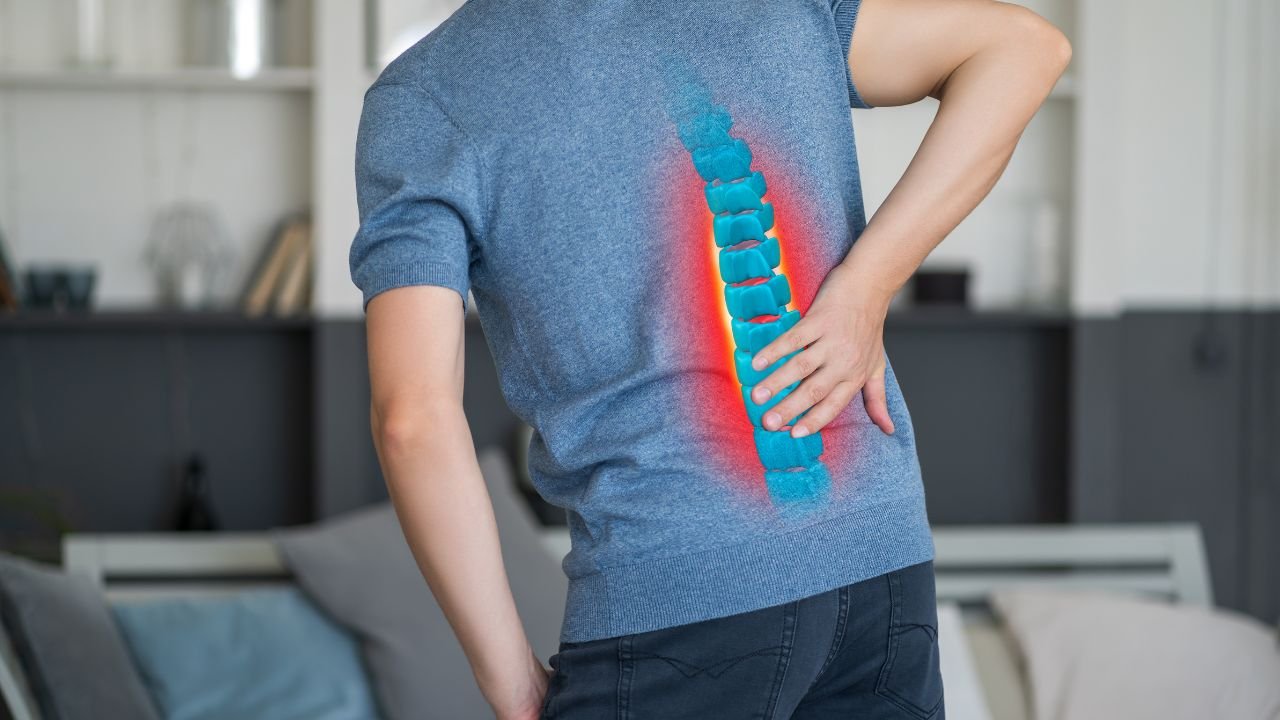
Chronic back pain affects millions of adults who refuse to accept that discomfort is simply “part of aging.” If you’ve been told that surgery or long-term medication are your only options, you’re not alone, and you deserve better. The reality is that non-surgical treatment approaches have evolved dramatically, offering new hope for healing rather than just managing symptoms.
The non-surgical spine care market reached $13.27 billion in 2025 and continues growing as patients discover that their bodies have a remarkable capacity to heal when given the right support. This shift reflects what many Scottsdale residents already know: there’s a better path forward than accepting limitations or masking pain with medications.
Key Takeaways:
- Chronic back pain affects 45.6% of adults over 65, but age doesn’t mean you have to accept limitations as permanent
- 78% of U.S. adults prefer drug-free pain management approaches over opioid-based pharmaceutical interventions
- Treatment options range from physical therapy ($130-$150/session) to regenerative medicine ($500-$20,000), each addressing different aspects of healing
- The right treatment approach depends on your specific condition, activity goals, and how your body responds to conservative care
- Scottsdale specialists using advanced diagnostics and personalized protocols help active individuals return to golf, hiking, and the activities they love
What Defines Chronic Back Pain And What Causes It?
Chronic back pain is persistent discomfort lasting more than 12 weeks in the lumbar, thoracic, or cervical spine regions. Understanding the causes of back pain helps patients make informed treatment decisions. Different spine conditions require different therapeutic approaches.
What Are The Most Common Spine Conditions That Create Chronic Pain?
Degenerative disc disease occurs when spinal discs wear down over time, potentially leading to chronic lower back pain and long-term functional limitations. This represents a significant portion of spine-related healthcare costs.
Spinal stenosis involves narrowing of the spinal canal, which can compress the spinal cord and nerves. Symptoms typically worsen with walking or standing and may improve when sitting or leaning forward.
Facet arthropathy affects the small joints of the spine, leading to cartilage breakdown and bone-on-bone friction. This condition typically worsens with extension and rotational movements, creating localized pain near the spine that may radiate into the buttocks or thighs.
How Do Age, Gender, And Other Demographics Influence Back Pain Risk?
Back pain prevalence increases steadily with age. Adults aged 18-29 experience 28.4% prevalence, those 30-44 show 35.2%, adults 45-64 demonstrate 44.3%, and individuals 65+ reach 45.6% prevalence.
Women experience higher rates than men across all age categories, 40.6% prevalence compared to 37.2% among males. For active individuals dealing with lower right back pain, understanding these demographic patterns helps contextualize individual experiences.
What Symptoms Indicate Degenerative Disc Disease, Spinal Stenosis, Or Facet Arthropathy?
Degenerative disc disease typically manifests as aching or sharp pain in the lower back that worsens with sitting, bending, or twisting. Patients may experience morning stiffness that improves with movement throughout the day.
Spinal stenosis symptoms include pain, numbness, tingling, or weakness radiating into the legs, arms, or neck. Patients often describe cramping in the legs during walking that improves with rest or forward-leaning positions.
Facet arthropathy creates localized tenderness near the spine with pain that intensifies during backward bending or rotational movements. The discomfort may radiate into the buttocks or thighs, but typically doesn’t extend below the knee.
What Non-Surgical Treatment Options Exist For Chronic Back Pain?
The United States non-operative spine care market was valued at USD 13.27 billion in 2025, with anticipated growth of 9.34% annually through 2035. This expansion reflects increasing patient preference for conservative approaches and advances in treatment technologies.
Choose non-surgical treatments if:
- Your pain has lasted less than 12 months without progressive neurological deficits
- You want to avoid surgical risks and prolonged recovery periods
- You prefer treatments that support your body’s natural healing capacity
- You’ve had success with conservative care in the past
Consider surgical consultation when:
- You experience progressive leg weakness or loss of bowel/bladder control
- Conservative treatments have failed after 6-12 months of consistent adherence
- Imaging shows severe spinal instability or compression requiring structural correction
How Does Physical Therapy Support Back Pain Management?
Physical therapy strengthens core muscles that support the spine while improving flexibility and reducing mechanical stress on affected structures. Sessions typically cost $130-$150 and include guided exercises, manual techniques, and education about proper body mechanics.
The importance of physical therapy lies in its ability to address underlying weakness and movement dysfunction contributing to chronic pain patterns. Treatment plans usually span 6-12 weeks with 2-3 sessions weekly, creating lasting improvements without medication dependency.
What Role Do Injection Therapies Play in Managing Back Pain?
Epidural steroid injections deliver anti-inflammatory medication directly into the epidural space surrounding nerve roots. Without fluoroscopy guidance, these injections cost $701-$1,977, while fluoroscopy-guided procedures range from $795-$2,801 for improved accuracy.
Facet joint injections target the small joints between vertebrae, providing both diagnostic information and therapeutic relief. These procedures cost $550-$1,250 and may reduce inflammation while confirming the facet joints as the primary pain source.
What Is Regenerative Medicine and How Does It Support Healing?
Regenerative medicine uses the body’s natural healing mechanisms rather than simply masking symptoms. PRP therapy involves extracting the patient’s blood, processing it to concentrate platelets containing growth factors, and injecting it into affected spinal structures.
Stem cell therapy for back pain involves extracting bone marrow, concentrating stem cells through centrifugation, and injecting them into degenerated discs or joints. Single PRP injections cost $500-$2,500, while stem cell therapy ranges from $2,000-$20,000 depending on complexity.
These therapies are designed to support tissue healing at the cellular level by delivering concentrated growth factors to damaged areas. Individual responses vary based on age, overall health, and severity of underlying pathology.
Choose PRP therapy if:
- You have mild to moderate disc or joint degeneration
- You want to avoid more invasive stem cell procedures
- Budget considerations favor lower-cost regenerative options
- You’re willing to consider repeat treatments if needed
Choose stem cell therapy when:
- You have moderate to severe degeneration not responding to PRP
- You’re seeking the most advanced regenerative approach available
- You can invest in higher upfront costs for potentially longer-lasting results
- Conservative treatments, including PRP, have provided insufficient relief
How Do Patient Preferences Shape Treatment Decisions?
Patient preferences play a decisive role in selecting among available treatment approaches. A discrete choice experiment involving 424 patients revealed that treatment modality accounts for 34.79% of relative importance in decision-making, significantly outweighing other factors like cost or convenience.
What Treatment Characteristics Matter Most To Patients?
Pain reduction accounts for 18.73% of relative importance in patient preferences, ranking second after treatment modality. Difficulties with daily activities represent 11.71% of importance, while duration of effectiveness contributes 10.06% to treatment decisions.
Different patient segments demonstrate distinct preferences based on individual values and past experiences. Understanding your own priorities helps guide treatment selection aligned with personal values.
Why Are More Patients Choosing Drug-Free Pain Management?
A Gallup survey found that 78% of U.S. adults prefer drug-free pain management over opioid medications. Only 22% prefer taking pain medication prescribed by doctors, reflecting widespread concern about opioid dependency and side effects from long-term pharmaceutical use.
This preference shift drives market growth for managing pain without drugs through alternative approaches like physical therapy, chiropractic care, and regenerative options. Patients increasingly seek treatments that address root causes rather than temporarily masking symptoms with medications that carry addiction risks.
A Scottsdale specialist focusing on regenerative medicine and functional approaches can provide comprehensive evaluations to determine which drug-free options best match individual needs and goals.
What Frustrations Do Patients Commonly Report About Back Pain Treatment?
The Harris Poll’s “Mobility Matters” survey revealed that 84% of chronic back pain sufferers wish better treatment options were available. Additionally, 70% report difficulty finding treatments that work effectively despite trying multiple approaches.
Approximately 37% of patients have never been told what causes their chronic back pain condition. Clear communication between providers and patients about diagnosis, expected outcomes, and realistic timelines forms a critical component of treatment satisfaction.
What Do Non-Surgical Treatments Cost And Where Are They Delivered?
Treatment costs vary dramatically based on modality complexity, facility setting, and whether procedures require imaging guidance or specialized equipment. Understanding these cost differences helps patients make informed decisions aligned with both their clinical needs and financial circumstances.
How Do Treatment Costs Compare Across Different Modalities?
Physical therapy costs $130-$150 per session, with complete treatment courses typically ranging from $1,500-$3,000. Facet joint injections cost $550-$1,250, providing relief that may last several months.
Epidural steroid injections range from $701-$1,977 without fluoroscopy, while fluoroscopy-guided procedures cost $795-$2,801. PRP therapy costs $500-$2,500, and stem cell therapy ranges from $2,000-$20,000, with higher costs reflecting extraction and processing complexity.
Insurance coverage varies significantly. Most plans cover physical therapy and FDA-approved injections but may not cover regenerative therapies, requiring out-of-pocket payment.
Where Do Patients Receive Different Types Of Non-Surgical Treatments?
Physical therapy occurs in outpatient rehabilitation clinics with licensed therapists. Sessions run 45-60 minutes and focus on progressive strengthening, flexibility training, and functional movement correction.
Injection procedures take place in pain management offices, ambulatory surgery centers, or hospital outpatient departments with varying facility fees. Fluoroscopy equipment adds $100-$500 but improves accuracy and safety.
How Does Treatment Location Affect Pricing And Convenience?
Hospital outpatient departments charge significantly more than ambulatory surgery centers or physician offices for identical procedures. Facility fees often exceed physician fees by two to three times.
Ambulatory surgery centers offer middle-ground pricing while maintaining surgical-grade sterility. Physician office-based procedures typically provide the lowest total cost.
How Is Technology Changing Non-Surgical Back Pain Treatment?
Technological advances continue to reshape non-surgical spine care through improved diagnostics, targeted treatment delivery, and regenerative therapies. The stem cell therapy market is projected to reach USD 45.2 billion by 2036 with an 8.4% compound annual growth rate, demonstrating rapid adoption of these innovative approaches.
What Advances Are Driving Growth In Regenerative Medicine?
Improved processing techniques now concentrate growth factors and stem cells more effectively from smaller tissue samples than earlier methods required. Centrifugation systems separate healing components from blood and bone marrow with greater purity, potentially increasing therapeutic concentrations while reducing procedure invasiveness and patient discomfort.
Advanced imaging allows precise delivery of regenerative therapies directly into degenerated disc spaces and arthritic facet joints using fluoroscopy or ultrasound guidance. This precision maximizes therapeutic concentration at the target site while minimizing spillage into surrounding tissues where it provides no clinical benefit. Real-time visualization during injection improves safety by avoiding critical neurovascular structures.
How Does Precision Medicine Support Personalized Treatment Planning?
Genetic testing and inflammatory biomarkers may help identify which patients could respond favorably to specific regenerative options versus traditional injection therapies. This personalized approach may reduce trial-and-error treatment sequences, though clinical validation remains ongoing.
Advanced diagnostics including functional MRI and movement analysis reveal subtle biomechanical dysfunction that standard imaging overlooks. Motion-capture technology quantifies movement quality before and after treatment, providing objective outcome data.
What Minimally Invasive Procedure Trends Are Emerging?
Minimally invasive procedures continue expanding as technology enables effective treatment through smaller incisions or percutaneous needle approaches. These techniques may reduce tissue trauma and allow outpatient treatment for conditions previously requiring hospitalization.
Ultrasound-guided injections provide real-time visualization without radiation exposure. This technology improves accuracy for targeting specific soft tissues while reducing procedural time and patient discomfort.
What Decision Framework Should Guide Non-Surgical Back Pain Management?
A structured treatment approach prioritizes conservative, low-risk interventions before progressing to more invasive or expensive options if initial strategies provide insufficient relief. This framework balances patient preferences, clinical evidence, cost considerations, and realistic outcome expectations while avoiding premature escalation to surgical interventions.
What Conservative Treatments Should You Try First?
First-line interventions include physical therapy, chiropractic care, ergonomic adjustments, and lifestyle modifications like weight management and regular exercise. These foundational approaches address biomechanical dysfunction and modifiable risk factors contributing to pain without medication dependency or procedural risks.
Conservative care typically spans 6-12 weeks before progressing to second-line interventions if improvement plateaus or remains insufficient. Most patients experience meaningful pain reduction and functional gains from this stage, avoiding the need for injections or advanced regenerative therapies. Consistency with prescribed exercises and lifestyle modifications significantly influences outcomes at this stage.
Expected outcomes from first-line conservative care:
- 50-70% of patients experience significant improvement within 6-12 weeks
- Pain typically reduces by 30-50% on standardized pain scales
- Functional capacity improves, allowing return to modified activities
- Some patients achieve complete resolution without progression to injections
When Should You Consider Injections Or Medications?
Second-line interventions include non-opioid medications like NSAIDs and targeted injections providing localized pain relief when conservative care proves inadequate. These approaches offer intermediate-term symptom control while physical therapy and lifestyle modifications continue addressing underlying mechanical dysfunction and deconditioning.
Injections serve dual diagnostic and therapeutic purposes by confirming specific anatomical structures as primary pain generators before considering more advanced treatments. Response duration and degree guide decisions about repeating injections, progressing to regenerative therapies, or reconsidering surgical consultation for refractory cases.
Expected outcomes from injection therapies:
- Epidural steroid injections: 50-70% of patients report significant short-term improvement lasting 6 weeks to 6 months
- Facet joint injections: 40-60% experience meaningful relief lasting 3-6 months
- Diagnostic value helps direct subsequent treatment decisions regardless of pain relief duration
How Do Regenerative Therapies Fit Into The Treatment Sequence?
Third-line interventions include regenerative medicine therapies like PRP and stem cells designed to support tissue healing when injections provide only temporary relief. These treatments remain generally out-of-pocket expenses as insurance coverage is often unavailable, requiring patients to weigh potential benefits against significant financial investment.
Last-resort interventions reserve surgical options for severe cases involving structural instability, progressive neurological deficits, or complete failure of conservative measures over extended periods. Surgery carries higher risks, longer recovery times, and exponentially greater costs than non-surgical approaches, justifying exhaustive conservative treatment before operative consideration.
Expected outcomes from regenerative therapies:
- PRP therapy: 60-70% of patients report meaningful improvement at 3-6 months
- Stem cell therapy: 50-60% experience sustained benefit at 12 months, though individual responses vary widely
- Results may continue improving for 6-12 months as tissue healing progresses
- Some patients require repeat treatments to maintain benefits
How Do Anatomy and Treatment Techniques Connect?
Understanding spinal anatomy helps patients comprehend how different treatments target specific structures causing their pain symptoms and functional limitations. This knowledge supports informed decision-making about treatment selection and realistic outcome expectations based on underlying pathology and tissue injury patterns.
What Anatomical Structures Are Involved In Common Pain Conditions?
The spinal column consists of vertebral bones separated by intervertebral discs that absorb shock and allow movement. Facet joints connect posterior elements of each vertebra, controlling rotational motion and preventing excessive backward bending.
The spinal canal houses the spinal cord and nerve roots, with foraminal openings allowing nerves to exit at each level. Narrowing from disc bulges, bone spurs, or ligament thickening compresses neural structures, creating radiating pain, numbness, or weakness depending on the affected regions.
Intervertebral discs contain a gel-like nucleus surrounded by tough annular fibers. Disc degeneration involves loss of water content, annular tears, and height loss between vertebrae, increasing mechanical stress on facet joints.
How Are Injection Therapies Administered Safely?
Epidural steroid injections use fluoroscopy guidance to position needles precisely in the epidural space without penetrating the dura. Fluoroscopy adds $100-$500 to costs but reduces complication risks and improves accuracy.
Facet joint injection procedures target joints between adjacent vertebrae using fluoroscopy to confirm needle placement. These combine a local anesthetic and a corticosteroid to reduce inflammation while providing diagnostic information.
Regenerative medicine injections require similar imaging guidance to ensure accurate delivery into degenerated structures. Ultrasound works well for superficial targets, while fluoroscopy provides superior visualization for deeper structures.
What Physical Therapy Exercises Support Back Pain Management?
Core stabilization exercises strengthen deep abdominal and back muscles that support proper spinal alignment. Planks, bridges, and bird dogs progressively challenge these muscles while maintaining neutral spine position, building endurance for prolonged sitting and standing.
Flexibility exercises address tight hip flexors, hamstrings, and thoracic spine restrictions that increase mechanical stress on the lumbar region. Cat-cow stretches, knee-to-chest stretches, and thoracic rotation movements restore normal motion at adjacent segments.
McKenzie exercises use repeated movements in specific directions to centralize radiating leg pain and reduce disc-related symptoms. Extension-based exercises may help patients with disc herniations, while flexion exercises benefit those with spinal stenosis.
Integrating Non-Surgical Treatments For Lasting Relief
Non-surgical approaches may provide effective pain relief and functional improvement for many chronic back pain sufferers when properly selected and sequenced. Treatment success requires matching interventions to specific anatomical pathology, patient preferences, and realistic outcome expectations while maintaining consistent adherence to rehabilitation programs and lifestyle modifications.
When we compare non-surgical approaches:
- Physical therapy provides the foundation for long-term success across all patient types
- Injection therapies offer intermediate-term relief while rehabilitation continues
- Regenerative medicine focuses on supporting natural tissue healing processes
- Each modality has specific indications, expected outcomes, and cost considerations
What makes Integrated Spine, Pain & Wellness different:
Integrated Spine, Pain & Wellness specializes in comprehensive non-surgical treatment approaches combining advanced diagnostics, targeted interventions, and personalized rehabilitation programs. Our functional spinal unit approach addresses root causes rather than temporarily masking symptoms, supporting active individuals in returning to the sports and activities they value.
Dr. Goyle’s double board certification in anesthesiology and interventional pain medicine, combined with fellowship training from the Cleveland Clinic, provides the expertise needed to guide patients through complex treatment decisions. We focus on treatments designed to support your body’s natural healing capacity rather than creating long-term medication dependency.
When you should choose us:
- You’re an active individual frustrated by limitations from chronic back pain
- You prefer evidence-based treatments that support natural healing
- You value personalized attention from a highly trained specialist
- You want a comprehensive approach addressing root causes, not just symptoms
If you’re seeking expert guidance on non-surgical treatment options for chronic back pain, contact Integrated Spine, Pain & Wellness to schedule a comprehensive evaluation and discuss a personalized treatment plan tailored to your specific condition, goals, and lifestyle.


