
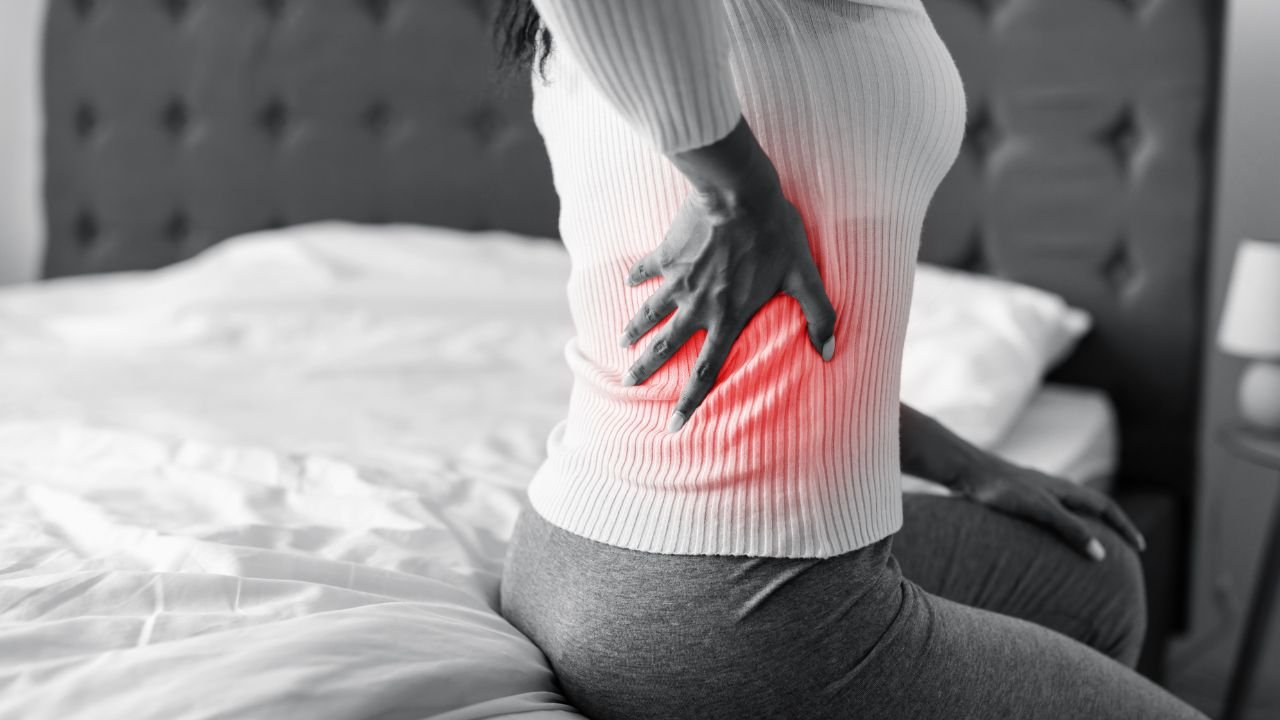
Upper and middle back pain affects millions of women annually, yet often goes untreated for months despite impacting work, exercise, and daily life. Women in Scottsdale face unique challenges. Active lifestyles involving golf, hiking, and fitness create repetitive strain, while desk-based professionals experience chronic postural stress from prolonged computer work. Understanding pain causes specific to women’s health, recognizing when symptoms require immediate attention, and knowing which treatment options address root causes empowers you to make informed decisions about your spine health.
This guide covers thoracic back pain anatomy, gender-specific factors, warning signs requiring urgent evaluation, evidence-based treatments, and prevention strategies.
Key Takeaways
- Upper and middle back pain occurs in the thoracic spine (T1-T12), which is less mobile than the lower back due to rib attachments. Pain typically stems from muscle strain, facet joint dysfunction, or postural stress.
- Women face gender-specific contributors, including breast weight creating 30-40% increased thoracic spine load, pregnancy and postpartum postural changes, postmenopausal compression fractures, and hormonal influences on pain perception.
- Red-flag symptoms require immediate evaluation: chest pain radiating to the shoulder, sudden tearing pain between the shoulder blades, progressive weakness or numbness, bladder or bowel control changes, or severe trauma-related pain.
- Most cases respond to conservative treatment, including physical therapy for posture and scapular mechanics, ergonomic modifications, mid-back strengthening, proper bra support, and manual therapy for persistent muscle tension.
- Prevention requires consistent daily habits: optimized desk ergonomics, regular thoracic mobility and strengthening exercises, proper lifting mechanics, bone health maintenance, and addressing muscle imbalances early.
What Is Upper And Middle Back Pain?
Upper back pain and middle back pain occur in the thoracic spine region, spanning the T1-T12 vertebrae between your neck and lower back. This area is less mobile than your lumbar spine due to rib attachments at the costovertebral joints, which provide stability but limit rotation and flexion. The thoracic region includes key muscle groups, paraspinal erector spinae, rhomboids, and trapezius, that support posture and connect your shoulder blades to your spine through the scapulothoracic region.
Where you typically feel pain:
- Upper back pain: Between shoulder blades, upper trapezius, base of neck
- Middle back pain: Mid-thoracic region (T4-T8), along the spine between shoulder blades
- Radiating pain: May spread to shoulders, ribs, chest wall, or around the ribcage
Upper and Middle Back Pain vs. Lower Back Pain
| Feature | Upper/Middle Back Pain | Lower Back Pain |
| Usual Location | T1-T12 vertebrae, between shoulder blades | L1-L5 vertebrae, lumbar region |
| Common Triggers | Posture strain, desk work, repetitive overhead motion | Lifting, bending, twisting movements |
| Associated Symptoms | Shoulder tension, rib discomfort, breathing-related pain | Hip pain, leg pain, difficulty standing |
| When to Seek Evaluation | Chest pain, breathing difficulty, sudden severe pain | Leg weakness, loss of bladder control, severe sciatic pain |
What Are The Most Common Causes Of Upper And Middle Back Pain In Women?
Most upper and middle back pain stems from musculoskeletal issues, muscle strain, joint dysfunction, or postural stress. Serious structural problems are less common in the thoracic region than the lumbar spine, but certain patterns warrant medical attention and chronic pain management.
Primary causes:
- Myofascial trigger points: Trapezius and rhomboid muscle knots that create scapular pain patterns and localized tenderness
- Facet joint dysfunction: T4-T8 region joints causing extension-related pain, often worsened by arching backward
- Rib-related issues: Costochondritis (rib cartilage inflammation) or rib subluxation affecting breathing or movement
- Ergonomic strain: Computer work causing prolonged forward flexion posture and mid-back fatigue
- Muscle imbalance: Weak rhomboids and mid-back muscles paired with overactive upper trapezius and tight pectorals
- Muscle strain: Overuse from lifting, carrying, or repetitive overhead activities
- Poor posture: Rounded shoulders and forward head position creating chronic thoracic stress
- Injury: Direct trauma, falls, or sports-related impact to the thoracic region
- Disc or nerve problems: Less common than lumbar issues, but possible in thoracic spine
- Arthritis: Degenerative changes in facet joints or costovertebral joints
- Osteoporosis: Vertebral compression fractures, particularly T6-T12 in postmenopausal women
- Referred pain: Cardiac, gallbladder, lung, or gastrointestinal conditions mimicking back pain
What Causes Upper And Middle Back Pain In Women Specifically?
Certain anatomical and hormonal factors make women more susceptible to thoracic back pain patterns that differ from men, making this an important women’s health consideration.
| Women-Specific Factor | How It May Contribute | Common Signs or Context Clues | When to Mention to Doctor |
| Postural kyphosis | Rounded forward posture from desk work or device use creates sustained thoracic flexion | Visible upper back rounding, neck strain, mid-back fatigue after sitting | Persistent pain despite posture correction attempts |
| Breast weight (C+ cup size) | Anterior loading creates 30-40% increased forward pull on thoracic spine and paraspinal muscles | Shoulder grooving from bra straps, upper trapezius fatigue, interscapular tension | When conservative measures (supportive bras, posture training) don’t provide relief |
| Improper bra fit or strap placement | Excessive trapezius muscle tension from poorly distributed breast weight | Trapezius soreness correlating with specific bras, shoulder indentations, upper back tightness | If pain patterns clearly worsen with certain undergarments |
| Pregnancy and postpartum changes | Relaxin hormone effects on ligament laxity, repetitive infant carrying and nursing posture | Recent pregnancy history, pain worsening with lifting or feeding, one-sided carrying patterns | Pain interfering with infant care or lasting beyond 6 months postpartum |
| Osteoporosis and compression fractures | T6-T12 vertebral compression fractures from decreased bone density | Postmenopausal status, acute height loss, localized tenderness over spine, sudden onset pain | Any sudden severe pain, documented height loss, or known osteoporosis |
| Hormonal influences on pain perception | Estrogen fluctuations may affect pain sensitivity and inflammatory responses | Pain intensity varying with menstrual cycle or during menopause transition | Consistent pattern of pain correlating with hormonal changes |
These gender-specific factors often overlap with general musculoskeletal causes, creating compound pain patterns that benefit from comprehensive evaluation rather than single-issue treatment.
What Symptoms Can Happen With Upper And Middle Back Pain?
Symptoms vary based on whether pain originates from muscles, joints, ribs, or deeper structures. Most thoracic back pain presents with localized musculoskeletal symptoms, but certain patterns suggest nerve involvement or non-spinal conditions.
Common pain qualities and associated symptoms:
- Sharp pain with specific movements
- Dull ache that worsens throughout the day
- Burning pain along the spine or between ribs
- Tightness or tension across the upper back
- Stiffness limiting rotation or side-bending
- Pain worsening with deep breathing or coughing
- Pain radiating to neck, shoulders, chest wall, or around ribs
Symptoms suggesting nerve involvement:
- Numbness or tingling in the ribcage or chest
- Weakness in shoulder or arm movements
- Reduced range of motion in thoracic rotation
- Band-like sensation around the chest or torso
What Warning Signs Can Mean Upper And Middle Back Pain Is Serious?
Certain symptoms require immediate or urgent evaluation to rule out cardiac, vascular, pulmonary, or severe neurological conditions.
| Warning Sign | What It May Suggest | How Quickly to Seek Care |
| Chest pain radiating to left shoulder | Cardiac angina or myocardial infarction (atypical presentation in women) | Emergency: call 911 |
| Sudden tearing pain between shoulder blades | Aortic dissection (catastrophic vascular emergency) | Emergency: call 911 |
| Progressive weakness, numbness, or balance problems | Spinal cord compression or myelopathy | Emergency or urgent evaluation |
| Bladder or bowel control changes | Severe nerve or spinal cord compromise | Emergency: seek immediate care |
| Severe pain after fall, crash, or injury | Fracture, spinal injury, internal trauma | Emergency or ER evaluation |
| Rib pain with fever, chills, or cough | Pneumonia or pleurisy (lung infection/inflammation) | Urgent care or ER within 24 hours |
| Right shoulder blade pain with abdominal symptoms | Gallbladder disease (cholecystitis with referred pain) | Urgent care or ER same day |
| Shortness of breath with back pain | Pulmonary or cardiac condition | Urgent evaluation same day |
| Unexplained weight loss with persistent pain | Infection, malignancy, or systemic disease | Medical evaluation within days |
| Mid-thoracic burning with acid reflux | GERD (gastroesophageal reflux disease) | Routine medical evaluation if persistent |
| Constant pain worsening at night | Possible inflammatory or structural progression | Medical evaluation within 1-2 weeks |
When Should Women Seek Treatment For Upper And Middle Back Pain?
Not all back pain requires immediate medical attention, but specific patterns indicate that professional evaluation is warranted.
Seek treatment when:
- Acute severe pain following trauma: falls, motor vehicle accidents, or significant impact injuries
- Persistent pain lasting 6+ weeks despite conservative care: pain continuing after rest, stretching, posture correction, and over-the-counter relief
- Chronic postural pain from ergonomic issues: ongoing desk work, tech-related strain, or occupational factors not improving with workplace modifications
- Post-fracture or compression fracture pain, especially in postmenopausal women with known osteoporosis or sudden height changes
- Pain severe enough to limit daily activities: difficulty working, caring for children, exercising, or performing routine tasks
- Pain progressively worsening: increasing intensity or frequency over days to weeks
- Neurologic symptoms appear: numbness, tingling, weakness, or coordination changes
- Emergency warning signs are present: chest pain, breathing difficulty, sudden severe pain, or loss of bladder/bowel control
Understanding care urgency levels: Routine medical evaluation means scheduling an appointment with your primary care doctor or pain specialist within 1-2 weeks. Urgent care requires same-day or next-day evaluation at an urgent care center or emergency room for concerning but non-life-threatening symptoms. Emergency care means calling 911 or going immediately to the ER for potentially life-threatening symptoms like chest pain, severe neurological changes, or sudden catastrophic pain.
How Do Doctors Diagnose Upper And Middle Back Pain?
Diagnosis begins with a thorough history and physical examination to distinguish musculoskeletal causes from cardiac, pulmonary, or visceral conditions requiring different treatment approaches.
What your doctor may ask about:
- Onset pattern: gradual mechanical pain versus sudden onset suggesting cardiac, vascular, or acute injury
- Pain location and specific areas of tenderness
- Duration and progression of symptoms
- Movement or position triggers that worsen or relieve pain
- Radiation patterns to shoulders, ribs, chest, or neck
- Recent trauma, falls, or new physical activities
- Associated symptoms like breathing difficulty, chest pressure, or abdominal pain
- Medical history including arthritis, osteoporosis, cardiac disease, or previous injuries
Physical examination components:
- Postural assessment: evaluating for rounded shoulders, forward head position, thoracic kyphosis, or scapular winging
- Palpation for tenderness: checking muscle trigger points, bony tenderness along spine, rib involvement, and soft tissue tension
- Range of motion testing: thoracic rotation, flexion, extension, and side-bending limitations
- Spinal alignment and curvature evaluation
- Neurological testing including strength, sensation, and reflexes
- Shoulder and scapular movement patterns
- Breathing mechanics and rib cage mobility
Diagnostic Testing and Imaging
| Test | What It Can Show | When It May Be Used |
| X-ray | Kyphosis, compression fractures, scoliosis, bone alignment, arthritis | First-line imaging for structural concerns or trauma |
| MRI | Disc problems, facet joint inflammation, muscle or soft tissue injury, nerve compression | When nerve involvement, soft tissue injury, or unexplained pain is suspected |
| DEXA bone density scan | Bone mineral density measurement for osteoporosis screening | Postmenopausal women at risk for compression fractures |
| Cardiac workup (EKG, troponin) | Heart-related causes of chest or upper back pain | When cardiac cause cannot be ruled out clinically, especially with atypical symptoms |
| CT scan | Detailed bone structure, acute fractures, spinal alignment | Trauma cases or when MRI is contraindicated |
| Blood tests | Inflammatory markers, infection indicators, systemic disease markers | Suspected infection, inflammation, autoimmune conditions, or unexplained symptoms |
How Can Women Relieve Upper And Middle Back Pain At Home?
Home care strategies work best for mild to moderate musculoskeletal pain without warning signs or neurological symptoms.
Effective home relief measures:
- Stay gently active: Avoid prolonged bed rest; continue low-impact movement like walking to prevent stiffness
- Apply heat or ice: Heat for muscle tension and chronic pain; ice for acute injury or inflammation (15-20 minutes at a time)
- Perform gentle stretching: Thoracic extension stretches, doorway pec stretches, and upper trapezius releases to counter forward posture
- Correct posture throughout the day: Set up workstation ergonomically with screen at eye level, arms supported, feet flat
- Strengthen mid-back muscles: Scapular retraction exercises and rhomboid strengthening to balance overactive chest and upper trapezius
- Adjust ergonomic setup: Use lumbar support, position monitors properly, and take frequent breaks from sustained positions
- Try over-the-counter pain relief: NSAIDs like ibuprofen for inflammation; acetaminophen for pain (follow dosage instructions)
- Wear properly fitted supportive bras: Ensure adequate support to distribute breast weight evenly and reduce thoracic strain
- Use foam rolling or massage tools: Self-myofascial release for trigger points in the upper back and between the shoulder blades
- Practice stress reduction: Tension and stress often manifest as upper trapezius and thoracic tightness
Home care is most appropriate for mild, uncomplicated pain lasting less than a few weeks. If pain persists beyond 4-6 weeks despite consistent self-care, or if symptoms worsen or new warning signs develop, professional evaluation is warranted to rule out underlying conditions requiring targeted treatment.
What Treatments Can Help Upper And Middle Back Pain?
Treatment selection depends on the underlying cause, pain severity, and individual patient factors rather than pain location alone. Exploring comprehensive back pain treatment options in Scottsdale helps ensure you receive the most appropriate care for your specific condition.
| Treatment | What It May Help With | When It Is Commonly Considered | Key Limitation or Note |
| Physical therapy with postural and scapulothoracic focus | Correcting rounded posture, strengthening weak rhomboid and mid-back muscles, improving thoracic mobility | First-line approach for mechanical or postural pain patterns | Requires consistent participation over 6-12 weeks for lasting results |
| Manual therapy or chiropractic mobilization | Joint mobilization, muscle release, improving thoracic spine movement | Facet-related pain or muscle tension unresponsive to home care | Not appropriate for fractures, severe osteoporosis, or spinal instability |
| Dry needling for trigger points | Myofascial trigger point release in trapezius, rhomboids, and paraspinal muscles | Persistent muscle knots unresponsive to stretching or massage | May cause temporary soreness or bruising after treatment |
| Facet or trigger point injections | Targeted pain relief for specific joint or muscle pain generators | When physical exam identifies discrete pain sources | May require multiple sessions; effects vary by individual |
| NSAIDs, muscle relaxants, or gabapentin | Inflammation reduction, muscle spasm relief, or nerve-related pain management | Short-term symptom control during acute flare-ups | Not a long-term solution; potential side effects with prolonged use |
| Ergonomic workstation modifications | Preventing pain recurrence from prolonged computer work or poor desk setup | Chronic postural strain related to occupation | Requires workplace cooperation and behavioral consistency |
| Breast reduction surgery | Severe anterior loading and chronic pain from large breasts (C+ cup) | When conservative measures fail and pain significantly impacts quality of life | Surgical risks, recovery time, and insurance considerations |
| Prescription medications | Moderate to severe pain, inflammation, or nerve involvement | When over-the-counter options insufficient | May include stronger anti-inflammatories, neuropathic pain medications, or short-term muscle relaxants |
| Massage therapy | Muscle tension relief, trigger point release, stress reduction | Adjunct to other treatments for muscle-related pain | Temporary relief; works best combined with strengthening |
| Acupuncture | Myofascial pain, tension patterns, holistic pain management | Patients seeking complementary approaches | Evidence varies; may require multiple sessions |
| Surgery | Severe structural problems, compression fractures, spinal deformity | When conservative treatments fail and neurological compromise exists | Reserved for specific structural diagnoses; significant recovery required |
When to seek specialist evaluation:
- Pain specialist: For facet joint or trigger point management requiring interventional procedures
- Orthopedic spine specialist: For compression fractures, severe structural issues, or surgical consultation
- Rheumatology: If inflammatory conditions like sacroiliitis or ankylosing spondylitis are suspected
- Cardiology: When chest pain cannot be definitively ruled out as musculoskeletal in origin
- Gastroenterology: For GERD or gallbladder-related referred pain patterns
For patients with chronic joint involvement or degenerative changes, BMAC therapy for chronic joint pain may provide regenerative support. When spinal pain is related to nerve compression or inflammation, epidural steroid injections can offer targeted relief.
Treatment effectiveness depends on accurate diagnosis of the underlying cause rather than simply addressing the pain location. Combining approaches, such as physical therapy with ergonomic modifications, or manual therapy with strengthening exercises, often produces better outcomes than single-modality treatment. For patients exploring advanced regenerative options, understanding the differences between Regenokine, PRP, and BMAC helps inform treatment decisions, particularly for those considering alternatives beyond steroid injections.
How Can Women Prevent Upper And Middle Back Pain From Coming Back?
Sustainable prevention strategies address the root causes of mechanical and postural strain while maintaining musculoskeletal health.
Prevention strategies:
- Optimize posture and workstation setup: Position computer monitors at eye level, use chairs with adequate lumbar support, keep feet flat on floor, and position keyboard and mouse to avoid reaching forward
- Strengthen upper back and core muscles: Perform regular scapular retraction exercises, rhomboid strengthening, and thoracic extension work to counterbalance forward-leaning positions and maintain upright posture
- Maintain flexibility and thoracic mobility: Include daily stretching for tight pectorals, upper trapezius, and latissimus dorsi; practice thoracic rotation and extension exercises to prevent stiffness
- Use proper lifting and carrying mechanics: Bend at hips and knees rather than rounding through mid-back; distribute weight evenly when carrying bags or children; avoid prolonged one-sided carrying patterns
- Wear properly fitted supportive bras: Ensure adequate support with wide, cushioned straps to distribute breast weight evenly and minimize forward pull on thoracic spine
- Prioritize bone health habits: Adequate calcium (1,000-1,200 mg daily) and vitamin D (800-1,000 IU daily), regular weight-bearing exercise, bone density screening for women 65+ or earlier if risk factors present
- Manage stress and muscle tension: Practice relaxation techniques, regular breaks from sustained positions, and awareness of stress-related muscle bracing in shoulders and upper back
- Take frequent movement breaks: Stand, stretch, and change positions every 30-45 minutes during prolonged sitting or computer work
- Address muscle imbalances early: Don’t wait for pain to develop; proactively strengthen weak areas and stretch tight regions identified during movement screening
Prevention requires consistent daily habits rather than intensive periodic efforts. Small, sustainable changes in posture, movement patterns, and strength maintenance typically prevent recurrence more effectively than sporadic attention to back health.
What Should Women Remember About Upper And Middle Back Pain?
Most upper and middle back pain stems from manageable musculoskeletal causes, muscle strain, postural stress, or facet joint dysfunction, which respond well to physical therapy, posture correction, and targeted strengthening. Women face additional contributors, including breast weight distribution, pregnancy and postpartum changes, and postmenopausal bone density loss.
Red-flag symptoms, chest pain radiating to the shoulder, sudden severe pain between the shoulder blades, progressive neurological symptoms, or breathing difficulty, require immediate evaluation to rule out cardiac, vascular, or pulmonary emergencies. However, these represent a small minority of cases. Most women experience mechanical pain from identifiable, treatable sources.
Early intervention prevents acute pain from becoming chronic. Pain lasting beyond 4-6 weeks despite home care, progressively worsening symptoms, or significant functional limitation warrants professional evaluation. If you’re experiencing persistent upper or middle back pain that’s limiting your quality of life, contact our team to discover how personalized care can help you heal naturally.


