
Key Takeaways
- Autologous protein therapy: Uses your own blood—no donor products or cell transplantation
- IL-1Ra concentration: Blocks inflammatory signals in joints through competitive receptor binding
- Arizona exclusivity: Dr. Goyle is the only Regenokine® provider in Arizona
- 18-24 hour processing: Same-day blood conditioning maximizes protein concentration
- Opioid-free approach: Non-narcotic regenerative medicine with image-guided precision delivery
Joint pain often stems from inflammation that conventional treatments only temporarily mask. Regenokine therapy offers a different approach, concentrated anti-inflammatory proteins from your own blood, supporting joint health. This blood-based therapy represents a distinct regenerative medicine path, leveraging regenerative biology to address musculoskeletal concerns through your body’s natural healing mechanisms.
What Is Regenokine Therapy Within Modern Regenerative Medicine?
Regenokine therapy represents a protein-focused approach within regenerative medicine. Unlike cell-based or donor-derived treatments, this blood-based therapy harnesses concentrated anti-inflammatory proteins from your own blood to support joint health.
How Is Regenokine Defined as a Blood-Based Therapy Using Autologous Serum?
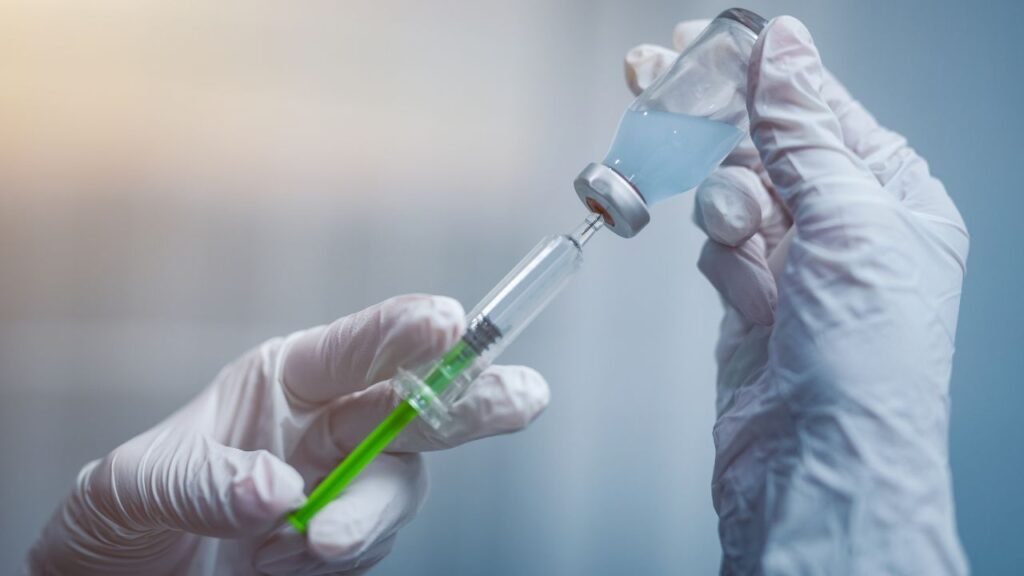
Regenokine therapy is autologous conditioned serum (ACS)—a protein-based therapy processed entirely from your own blood. A physician draws 50 mL of blood, processes it over 18-24 hours, then delivers it back to your affected joint the same day.
The Regenokine mechanism concentrates IL-1Ra (Interleukin-1 Receptor Antagonist), a powerful anti-inflammatory protein naturally present in your blood. This protein-focused model eliminates rejection risk since you’re receiving your own conditioned blood proteins—not cells, not donor products, just your body’s concentrated healing factors.
How Does Regenokine Therapy Fit Into the Broader Field of Regenerative Medicine?
Regenokine therapy sits alongside PRP and BMAC as an autologous regenerative option, but with exclusive availability. Dr. Goyle is 1 of only 9 physicians in the United States offering Regenokine®—and the only provider in Arizona.
The late Kobe Bryant famously used this treatment to return to competition. At ISPW, Regenokine therapy forms part of an opioid-free practice philosophy, delivering non-narcotic approaches to joint cartilage repair through precision-guided regenerative medicine.
What Scientific Principles Power Regenokine?
The Regenokine mechanism operates through regenerative biology—the body’s protein-based signaling systems that regulate inflammation and tissue response. Understanding these pathways reveals why concentrated blood proteins can support joint health.
How Does Regenerative Biology Explain the Body’s Protein-Based Signaling Systems?
Joint inflammation involves IL-1β, a pro-inflammatory cytokine that drives inflammatory responses in cartilage and surrounding tissues. IL-1Ra (Interleukin-1 Receptor Antagonist) competitively blocks IL-1β signaling by binding to IL-1 receptors without triggering downstream inflammation. This protein-based signaling pathway regulates the joint microenvironment at a cellular level.
What Role Do Protein Growth Factors and Anti-Inflammatory Proteins Play in Joint Environments?
Blood contains protein growth factors—PDGF (Platelet-Derived Growth Factor), TGF-β (Transforming Growth Factor-beta), and VEGF (Vascular Endothelial Growth Factor)—that interact with cellular receptors to influence tissue response. Anti-inflammatory proteins modulate the inflammatory cascade, creating conditions that may support joint cartilage repair.
How Does the Regenokine Mechanism Leverage the Body’s Existing Biological Pathways?
Regenokine therapy harnesses your body’s natural anti-inflammatory protein production capacity. By concentrating IL-1Ra and protein growth factors, the treatment stimulates the body’s healing response through protein-mediated pathways. This approach may help repair damaged tissue by delivering concentrated healing factors directly to affected joints—supporting the body’s natural healing processes rather than replacing them.
How Is Regenokine Created From a Patient’s Own Blood?
The Regenokine therapy process transforms ordinary blood into concentrated anti-inflammatory serum through controlled conditioning. This blood-based therapy requires precise processing to maximize protein concentration while maintaining biological integrity.
How Is Blood Collected and Processed to Isolate Target Proteins?
A physician draws 50 mL of blood from the patient—roughly the same amount as a routine blood test. The blood is incubated with specialized medical-grade glass beads that stimulate protein production. Centrifugation then separates the protein-rich serum from red blood cells and other components. The final product is re-injected into the affected joint.
Why Is Controlled Conditioning Used to Enhance Protein Concentration?
Incubation occurs at precisely 37°C—body temperature—for 18-24 hours. This controlled environment allows glass beads to stimulate IL-1Ra production, dramatically increasing anti-inflammatory protein concentration. The temperature and timing ensure optimal protein growth factors develop naturally within your own blood.
How Does Same-Day Processing Support the Integrity of Blood-Based Therapy?
Same-day processing maintains protein viability without lab culturing or cell expansion—fully compliant with FDA autologous standards. No third-party donor products enter the process. Fresh processing means you receive your own conditioned blood proteins within 24 hours of collection, ensuring you know exactly what enters your joint.
How Does the Regenokine Mechanism Interact With Joint Structures?
Once injected, concentrated proteins interact directly with joint tissues through cellular receptor binding and sustained delivery systems. The Regenokine mechanism targets the inflammatory environment that compromises joint cartilage repair.
How Do Anti-Inflammatory Proteins Influence the Joint Microenvironment?
IL-1Ra blocks pro-inflammatory IL-1β from binding to receptors on joint cells, preventing inflammatory cascade activation in cartilage and synovial tissue. These proteins bind to cellular receptors to modulate local inflammation, creating conditions that may help support tissue repair in the joint environment.
How Is Regenokine Discussed in Relation to Joint Cartilage Repair Concepts?
Fibrin proteins naturally form a 3D scaffold within the joint space, allowing protein growth factors to release gradually over 7-10 days. This sustained delivery system supports the body’s natural healing processes in cartilage through extended protein availability. The blood-based therapy may help repair damaged tissue by maintaining therapeutic protein levels longer than a single injection could provide.
Why Is Regenokine Positioned as a Joint-Support Strategy Rather Than a Structural Replacement?
Regenokine therapy supports your body’s existing repair mechanisms through protein signaling, not structural intervention. Unlike cell transplantation or grafting procedures, this approach works by enhancing what your joint already does naturally. The treatment complements the body’s joint maintenance processes rather than attempting to replace damaged structures.
Why Is Regenokine Considered a Distinct Approach Among Regenerative Therapies?
Regenokine therapy stands apart through its protein-focused, autologous model. While regenerative medicine encompasses various approaches, this blood-based therapy distinguishes itself through what it uses—and what it doesn’t.
How Does Regenokine Differ From Cell-Based and Donor-Derived Treatments?
Regenokine therapy is protein-focused, not cell-based like BMAC. The treatment does NOT use umbilical cord tissue or blood products, amniotic fluid products, adipose (fat) tissue from donors, lab-cultured or expanded cells, or third-party exosome therapy. This eliminates variables common in other regenerative medicine approaches where product origin and quality may be uncertain.
Why Is an Autologous, Protein-Focused Model Central to Regenokine Therapy?
Using only your own blood proteins creates a fully autologous approach with no rejection risk—your body recognizes these proteins as its own. You know the exact origin and quality: your own fresh blood, processed same-day. This FDA-compliant autologous procedure ensures complete transparency in what enters your joint, distinguishing Regenokine therapy from treatments using unknown donor materials.
How Does Regenokine Align With Non-Narcotic, Precision-Guided Regenerative Medicine?
At ISPW, Regenokine therapy forms part of an opioid-free practice philosophy focused on non-narcotic joint cartilage repair. Dr. Goyle—Cleveland Clinic-trained and double board-certified—delivers treatments using image-guided precision through fluoroscopy and ultrasound guidance.
Clinical studies report minimal adverse effects from the therapy itself. Temporary minor side effects—post-injection pain, swelling, or stiffness—relate to the injection procedure, not the blood-based therapy. This safety profile supports Regenokine therapy’s position within precision-guided regenerative biology approaches.
Explore Regenokine Therapy at Integrated Spine, Pain, and Wellness
Discover if Regenokine therapy may support your joint health. Dr. Goyle—Arizona’s only Regenokine® provider—offers Cleveland Clinic-trained expertise in autologous regenerative medicine. Contact Integrated Spine, Pain, and Wellness in Scottsdale to learn how protein-based therapy may help address your musculoskeletal concerns through our opioid-free practice approach.

