
Key Takeaways
- Cortisone injections provide temporary symptom relief through non-specific anti-inflammatory suppression, typically lasting weeks to months, while Regenokine therapy uses concentrated blood proteins to support long-term joint health.
- Regenokine is an autologous treatment that concentrates IL-1Ra from your own blood—blocking inflammatory signals that drive cartilage degradation while supporting the body’s natural healing processes.
- The cortisone comparison reveals different treatment philosophies: cortisone addresses immediate symptoms without modifying the joint environment, while regenerative medicine focuses on tissue repair and healing support.
- Consider Regenokine benefits when multiple cortisone injections have provided only temporary relief, inflammatory conditions recur frequently, or your goals extend beyond short-term symptom management.
- Dr. Goyle is 1 of only 9 physicians in the United States offering Regenokine®, and the ONLY provider in Arizona, combining Cleveland Clinic training with image-guided precision for personalized joint assessment.
Joint pain management involves choosing between approaches with different timelines and mechanisms. Cortisone injections offer rapid symptom relief, while Regenokine therapy uses your own blood proteins to support long-term joint health. Understanding how these orthopedic injections differ helps patients make informed decisions aligned with their activity goals and treatment expectations.
What is Being Compared in a Regenokine Vs. Cortisone Comparison?
This comparison examines two distinct pain management options for joint conditions: cortisone injections and Regenokine therapy. Both are orthopedic injections, but they approach joint health through fundamentally different mechanisms and timelines.
How Do Orthopedic Injections Differ in Purpose and Clinical Intent?
Cortisone works as a non-specific anti-inflammatory designed for temporary symptom suppression. It blocks multiple inflammatory pathways simultaneously to provide rapid relief.
Regenokine uses Autologous Conditioned Serum (ACS)—concentrated anti-inflammatory proteins from your own blood—to support the body’s natural healing response. The duration difference is significant: cortisone effects typically last weeks to months, while Regenokine therapy is designed to support long-term joint health over extended periods.
Why Does This Comparison Focus on Short-Term Relief Versus Long-Term Joint Health?
Cortisone provides rapid symptom relief but doesn’t address the underlying joint environment. Regenokine benefits come from concentrating IL-1Ra (Interleukin-1 Receptor Antagonist) from your own blood to support tissue repair and healing.
Repeated cortisone use may raise concerns about cartilage health with long-term administration. Regenerative medicine approaches like Regenokine focus on modifying the joint environment rather than temporarily suppressing symptoms.
How Do Cortisone Shots Work as an Orthopedic Injection Option?
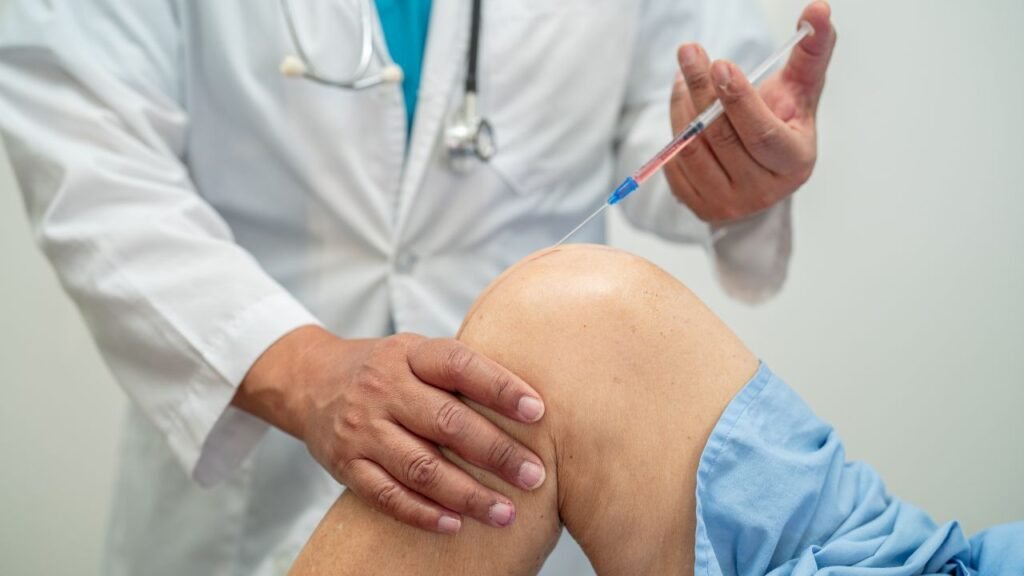
Cortisone injections deliver corticosteroids directly into affected joints to reduce inflammation quickly. Understanding their mechanism helps clarify why they’re positioned as short-term pain management options rather than long-term solutions.
What Role Do Corticosteroids Play in Reducing Inflammation Inside a Joint?
Corticosteroids provide broad, non-specific suppression of inflammatory responses. They work by blocking multiple inflammatory pathways simultaneously, delivering rapid symptom relief across various joint conditions.
These effects are temporary and require repeat injections to maintain symptom relief. The non-specific nature means cortisone addresses inflammation broadly rather than targeting specific healing mechanisms.
Why Are Cortisone Injections Typically Positioned as Temporary Symptom-Relief Tools?
Cortisone doesn’t modify the underlying joint environment or support healing processes. Benefits diminish over time, often lasting only weeks to months before symptoms return.
Medical professionals position cortisone as bridge therapy or acute flare management rather than a long-term joint health strategy. This approach addresses immediate pain but doesn’t engage the body’s natural repair mechanisms.
What is Regenokine Therapy and How is it Used in Regenerative Medicine?
Regenokine therapy represents a different approach to joint health. This regenerative medicine treatment uses your own blood to create concentrated anti-inflammatory proteins that support tissue repair and healing.
How is Regenokine Produced From a Patient’s Own Blood?
The process begins with drawing 50 mL of blood from the patient. Blood is incubated at 37°C for 18-24 hours with specialized glass beads, stimulating production of IL-1Ra and other anti-inflammatory proteins.
After incubation, blood is centrifuged to separate protein-rich serum. This concentrated serum is then re-injected into the affected joint in a series of treatments designed to support long-term joint health.
Why is Regenokine Considered a Biologic, Autologous Injection Rather Than a Drug?
Regenokine uses the patient’s own blood processed the same day—an autologous approach with no synthetic compounds or pharmaceutical agents added. It concentrates naturally occurring anti-inflammatory proteins already present in your blood.
There’s no risk of rejection since all components come from your own body. Dr. Goyle is 1 of only 9 physicians in the United States offering Regenokine®, and the ONLY provider in Arizona, bringing this exclusive regenerative medicine option to patients seeking Regenokine benefits.
How Do Regenokine Benefits Relate to Long-Term Joint Health Support?
Regenokine benefits extend beyond temporary symptom relief by addressing the inflammatory signals that affect joint tissue over time. This regenerative medicine approach focuses on modifying the joint environment to support sustained tissue repair and healing.
How Do Anti-Inflammatory Blood Proteins Influence the Joint Environment Over Time?
IL-1Ra competitively blocks IL-1β signaling without triggering downstream inflammation. IL-1β drives pro-inflammatory responses and cartilage degradation in joints, creating a hostile environment for tissue health.
By blocking IL-1β receptors, IL-1Ra may help support the body’s natural healing processes. Regenokine contains significantly higher IL-1Ra concentration compared to standard blood plasma, allowing anti-inflammatory proteins to work continuously within the joint space to support tissue repair.
Why Does Regenerative Medicine Focus on Joint Signaling Rather Than Suppression Alone?
IL-1Ra blocks the specific inflammatory pathway (IL-1β) while preserving other immune functions. This targeted approach supports the healing response rather than broadly suppressing all inflammation like cortisone.
Regenokine therapy is designed to modify the joint environment to support long-term tissue health. It may help repair damaged tissue and support the body’s natural healing mechanisms, offering a different path than traditional pain management options focused solely on symptom suppression.
When Should I Choose Regenokine Over Cortisone Shots?
Choosing between cortisone and Regenokine therapy depends on your treatment goals, previous injection history, and timeline for joint health. The decision often becomes clear when short-term relief no longer aligns with your needs.
In What Situations Do Patients Move Beyond Short-Term Orthopedic Injections?
Patients typically consider Regenokine when multiple cortisone injections have provided only temporary relief. Those seeking to support joint health over extended time periods find regenerative medicine approaches more aligned with their goals.
Regenokine therapy becomes relevant when inflammatory conditions affect multiple joints or recur frequently, and for those concerned about long-term effects of repeated corticosteroid use. The late Kobe Bryant famously used Regenokine treatment to return to competition, highlighting its application for high-performance joint demands.
How Do Activity Level, Joint Longevity Goals, and Prior Injections Influence This Decision?
Active individuals seeking sustained joint function may benefit from healing-focused approaches that support tissue repair. Patients with goals extending beyond immediate symptom relief often find Regenokine benefits better match their timeline.
Those who have exhausted temporary pain management options and seek a different therapeutic approach should consider regenerative medicine. The number of previous cortisone injections received matters—repeated corticosteroid use may prompt evaluation of alternatives focused on long-term joint health support.
How Should Patients Evaluate Healing-Focused Options Before Choosing an Injection?
Evaluating regenerative medicine requires personalized assessment of your joint condition, health goals, and treatment history. The right choice depends on understanding both the therapy and your specific needs.
Why Does Personalized Joint Assessment Matter When Comparing Injection Approaches?
Safety profile matters in any treatment decision. Regenokine demonstrated no significant adverse effects in clinical studies. Minor temporary effects related to the injection procedure may include post-injection discomfort, swelling, or stiffness—all temporary and related to the physical injection, not the therapy itself.
Dr. Goyle’s Cleveland Clinic fellowship training and double board-certification in Anesthesiology and Interventional Pain Management ensures comprehensive evaluation of each patient’s joint condition and treatment options. This expertise helps determine which pain management options align with individual needs.
What Questions Help Clarify Whether Regenokine Therapy Aligns With a Patient’s Goals?
Consider these questions when evaluating orthopedic injections: Are you seeking support for long-term joint health or immediate symptom relief? Have previous cortisone injections provided lasting benefit?
What are your activity and mobility goals over the next 12-24 months? Are you interested in supporting your body’s natural healing processes? Do you prefer autologous (your own cells) treatment approaches?
ISPW uses image-guided precision with fluoroscopy and ultrasound guidance for accurate injection placement, ensuring Regenokine therapy and other regenerative medicine treatments are delivered with technical precision to support optimal outcomes.
Explore Your Joint Health Options at Integrated Spine, Pain, and Wellness
Ready to discuss whether Regenokine therapy aligns with your joint health goals? Dr. Goyle and the team at Integrated Spine, Pain, and Wellness in Scottsdale provide personalized assessments of regenerative medicine options. Schedule a consultation to evaluate which approach supports your long-term mobility and activity objectives.

