
Key Takeaways
- Regenokine uses your own blood—50–60 mL is drawn and processed to create concentrated anti-inflammatory proteins, with no rejection risk and full FDA compliance.
- Ideal candidates are 30–75 years old with mild to moderate osteoarthritis (Kellgren-Lawrence Grade II–III) who haven’t responded to conservative treatments like physical therapy and NSAIDs.
- End-stage joint degeneration typically disqualifies candidacy—patients with Grade IV osteoarthritis or those already facing joint replacement may not benefit from Regenokine therapy.
- A comprehensive health assessment determines eligibility—including imaging, medical history review, physical examination, and functional evaluation at a physician-led Scottsdale clinic.
- Dr. Goyle is 1 of only 9 U.S. providers offering Regenokine—and the only provider in Arizona—with Cleveland Clinic fellowship training and double board certification.
Regenokine therapy offers a specialized approach to joint discomfort—but it’s not for everyone. Patient eligibility depends on specific Regenokine criteria, including condition severity, treatment history, and overall health. This guide covers who qualifies, who may not be an ideal candidate, and how a Scottsdale clinic determines joint therapy suitability.
What Is Regenokine Therapy and Why Does Patient Eligibility Matter?
Regenokine therapy offers a specialized approach to joint discomfort using your body’s own healing mechanisms. Understanding patient eligibility helps determine whether this advanced option fits your situation.
How Is Regenokine Therapy Used in a Scottsdale Clinic Setting?
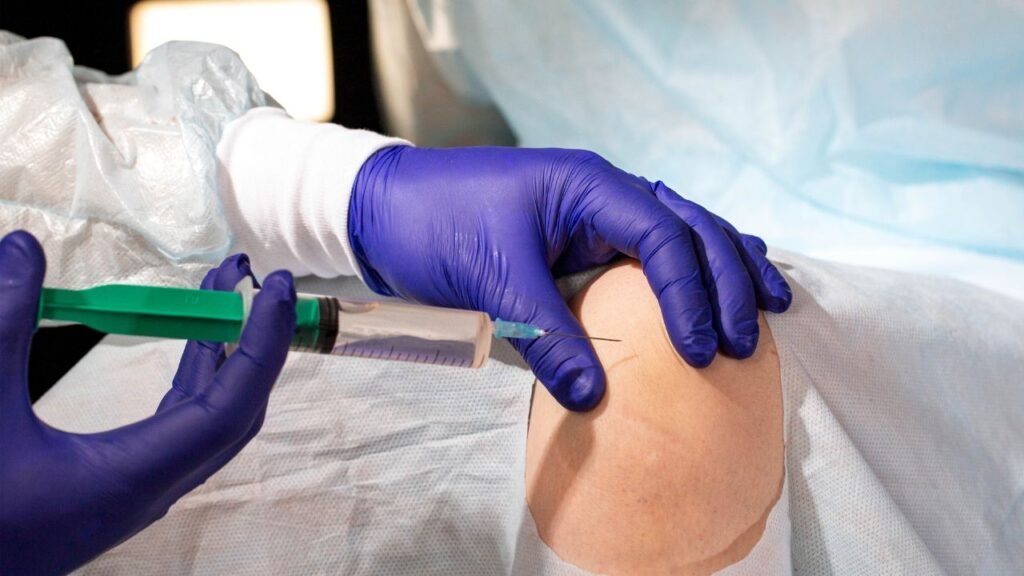
Regenokine therapy uses your own blood to create a concentrated anti-inflammatory serum. A physician draws 50–60 mL of blood and incubates it with specialized glass beads at body temperature for several hours. This process stimulates white blood cells to produce IL-1 Receptor Antagonist (IL-1Ra) and other anti-inflammatory proteins. The resulting Autologous Conditioned Serum is then injected directly into the affected joint.
Dr. Goyle is 1 of only 9 physicians in the United States offering Regenokine—and the only provider in Arizona. The late Kobe Bryant famously used this therapy to support his return to competition.
Why Does Patient Eligibility Influence Joint Therapy Suitability?
Proper candidacy screening identifies patients most likely to benefit from Regenokine therapy. Clinical research confirms that patient selection directly influences outcomes. Regenokine supports the body’s natural healing response, but not all joint conditions respond equally. A thorough health assessment at a Scottsdale clinic ensures you meet Regenokine criteria before moving forward. This evaluation protects your time, investment, and expectations by matching joint therapy suitability to your specific condition.
Who Qualifies to Receive Regenokine Treatment?
Regenokine works best for specific patient profiles. A structured health assessment determines whether you meet the criteria for this therapy.
What Regenokine Criteria Are Used to Evaluate Joint Therapy Suitability?
Several factors determine joint therapy suitability for Regenokine. Candidates are typically over 30 years old, with clinical data showing favorable responses in patients between 30–75. You should have moderate to severe joint pain and mild to moderate osteoarthritis (Kellgren-Lawrence Grade II–III on imaging). Prior conservative treatments—physical therapy, NSAIDs—should have provided insufficient relief. Candidates must also be willing to discontinue certain pain medications as directed. Previous joint surgery is acceptable if performed at least 3 months before treatment.
Which Musculoskeletal Conditions Typically Meet Regenokine Criteria?
Regenokine is well-suited for several musculoskeletal conditions that haven’t progressed to end-stage degeneration.
Common conditions include early-stage knee osteoarthritis, small joint osteoarthritis in the hands, rotator cuff tendinopathy, Achilles tendon tendinopathy, and tennis elbow. The key factor is that the joint retains enough structural integrity to respond to the body’s supported healing processes.
Can Active Adults and Aging Patients Both Qualify Based on Health Assessment?
Yes—both active adults and older patients may qualify depending on condition severity.
Athletes and physically active individuals seeking non-surgical joint support often meet patient eligibility requirements. Patients up to age 75 with mild to moderate osteoarthritis have shown favorable responses. Research indicates that patients over 75 with severe osteoarthritis may experience diminished benefit. Age alone doesn’t disqualify anyone, but disease severity plays a significant role in determining candidacy at any pain clinic in Scottsdale.
Who May Not Be an Ideal Candidate for Regenokine Therapy?
Not everyone benefits equally from Regenokine. Certain conditions and circumstances may limit candidacy.
Can Advanced Joint Degeneration Limit Regenokine Therapy Candidacy?
Yes—end-stage joint damage typically falls outside Regenokine criteria.
Grade IV osteoarthritis with large osteophytes, marked joint space narrowing, and severe sclerosis indicates a joint may be beyond the scope of regenerative support. Late-stage hip osteoarthritis has shown a poor response in clinical reviews. Patients who are already candidates for joint replacement generally won’t benefit from Regenokine therapy.
Why Do Non-Musculoskeletal or Systemic Conditions Affect Eligibility?
Regenokine targets musculoskeletal conditions specifically. Systemic issues can complicate or contraindicate treatment.
Exclusionary factors include inflammatory joint diseases like rheumatoid arthritis, crystalline arthropathy (gout), and neuropathic arthropathy. Blood disorders, abnormal hematologic values, active bone cancer, or tumor-like lesions near the joint also disqualify candidates. Pregnancy, lactation, active substance abuse, and known allergies to procedure components affect patient eligibility as well.
How Do Expectations and Prior Treatment History Impact Patient Eligibility?
Recent intra-articular injections (within 3–6 months) may require a waiting period before Regenokine. Patients seeking guaranteed outcomes should understand that results vary—regenerative therapies support the body’s healing processes rather than replace them. Lumbar spinal stenosis has shown limited response in clinical data, so expectations should be managed accordingly during your health assessment.
How Does a Pain Clinic in Scottsdale Determine Regenokine Eligibility?
Candidacy isn’t guesswork. A structured evaluation process from a trusted pain clinic in Scottsdale determines whether Regenokine fits your condition.
What Does a Comprehensive Health Assessment Include at a Concierge Scottsdale Clinic?
This includes complete medical history review, physical examination with joint-specific testing (McMurray’s and Lachman’s for knees), and pain level assessment using validated scales. Your physician also evaluates prior treatment responses, medication history, and overall health status—including blood work if indicated.
How Do Imaging, Medical History, and Functional Review Shape Regenokine Decisions?
X-rays assess Kellgren-Lawrence grade by evaluating osteophyte formation, joint space narrowing, and sclerosis. MRI provides detailed visualization of soft tissue pathology and cartilage degradation. Optimal candidacy typically falls within Grade II–III severity. Functional assessment evaluates daily activity limitations and mobility goals to ensure joint therapy suitability.
Why Does a Physician-Led Model Matter When Applying Regenokine Criteria?
Dr. Goyle’s Cleveland Clinic fellowship training ensures rigorous clinical evaluation standards. His double board certification in Anesthesiology and Interventional Pain Management provides expertise in complex pain cases. Image-guided precision using fluoroscopy and ultrasound ensures accurate delivery. The concierge, physician-led model at this Scottsdale clinic allows thorough one-on-one patient eligibility assessment—not a rushed evaluation.
How Can Wellness Services in Scottsdale Help You Decide if Regenokine Is the Right Fit?
The right timing matters. Wellness services in Scottsdale can help you evaluate where Regenokine fits in your care plan.
Should Regenokine Be Considered Before Repeated Injections or Surgical Options?
Clinical evidence supports Regenokine for patients who haven’t responded to conservative treatments but aren’t yet surgical candidates. Long-term follow-up data suggests benefits may persist up to 2 years. Because Regenokine uses your own blood, there’s no rejection risk—unlike third-party donor products. Treatment typically involves 4–6 injections over several weeks.
When Is a Personalized Consultation the Best Next Step for Patient Eligibility Review?
Your evaluation includes imaging review, medical history assessment, and candidacy determination tailored to your condition. ISPW’s opioid-free philosophy emphasizes non-narcotic approaches to pain resolution. The cash-pay concierge model ensures access without insurance delays. A personalized health assessment determines whether Regenokine, PRP, BMAC, or another approach best fits your goals.
Schedule Your Regenokine Consultation at Integrated Spine, Pain, and Wellness
Dr. Goyle is the only Regenokine provider in Arizona. Contact Integrated Spine, Pain, and Wellness today to schedule your personalized health assessment. Our concierge Scottsdale clinic offers one-on-one evaluations to determine if Regenokine therapy fits your joint care goals.

