
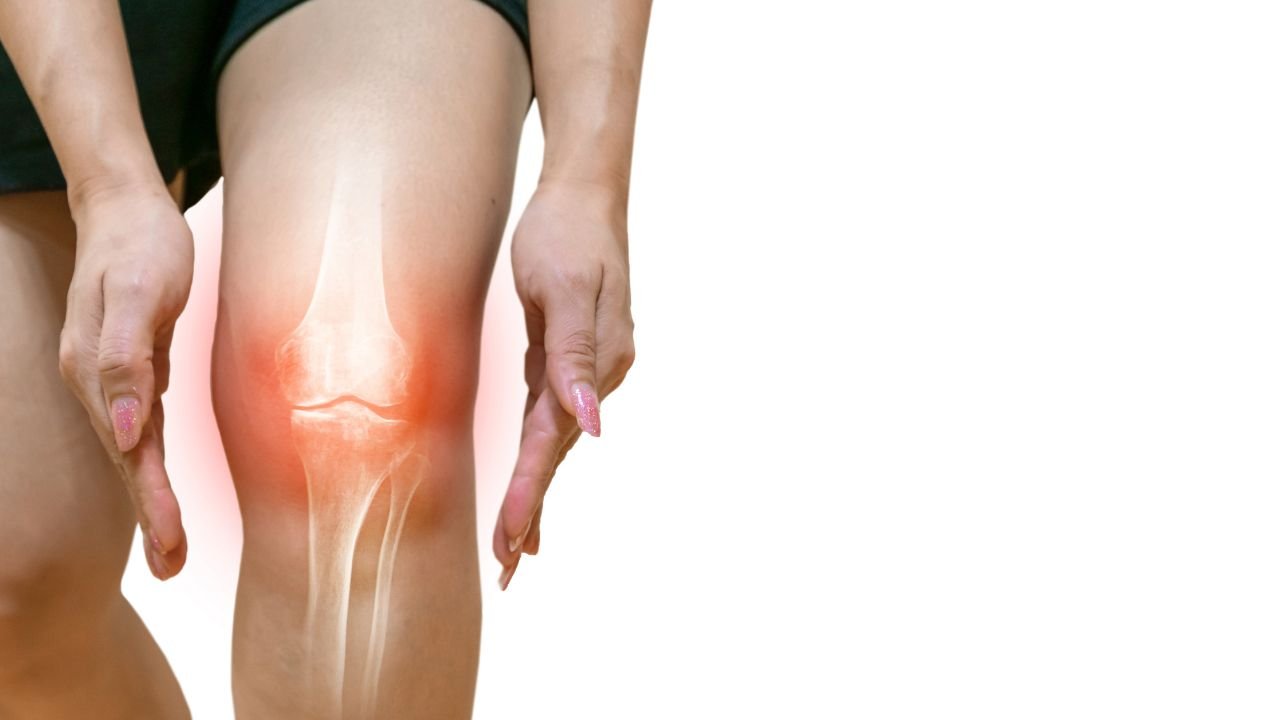
Bone spurs are bony projections that develop along joint edges as your body responds to cartilage loss and chronic inflammation. These calcium deposits form most commonly in areas experiencing repetitive stress or arthritis-related degeneration, particularly the spine, shoulders, knees, and feet.
Most bone spurs remain asymptomatic unless they compress nerves, restrict joint movement, or create friction against surrounding tissues. When symptoms appear, treatment approaches range from conservative management to surgical removal, depending on severity and functional impact.
Key Takeaways:
- Bone spurs develop as a protective response to osteoarthritis and ongoing joint stress
- Physical therapy shows superior one-year outcomes compared to glucocorticoid injections alone
- NSAIDs offer quick symptom relief but carry risks with extended use
- Conservative treatment typically continues for 3-6 months before surgical options are considered
- Geographic location and access to specialized care create significant variations in treatment outcomes
What Are Bone Spurs And Why Do They Form?
Bone spurs, medically termed osteophytes, are smooth calcium deposits that extend from normal bone surfaces. Your body creates these projections to increase joint surface area when cartilage deteriorates from age, injury, or repetitive stress.
These growths develop gradually over months or years as mechanical stress triggers bone remodeling processes. The formation represents your body’s attempt to stabilize joints and distribute weight across larger surface areas as protective cartilage breaks down.
What Medical Conditions Cause Bone Spur Development?
Bone spurs causes include osteoarthritis, which drives the majority of bone spur formation. This condition causes progressive cartilage breakdown, prompting bones to grow protective extensions where joint surfaces meet.
Degenerative disc disease in the spine creates similar mechanical stress patterns that stimulate osteophyte growth along vertebral margins. Chronic tendon inflammation from repetitive motion and previous joint injuries also accelerates bone spur development through repeated tissue repair cycles.
How Do Bone Spurs Affect Movement And Create Pain?
Bone spurs themselves rarely cause pain since bone tissue lacks nerve endings. Discomfort occurs when these projections impinge on nearby nerves, limit joint range of motion, or generate friction against tendons during movement.
Spinal bone spurs can narrow the spinal canal and compress nerve roots, causing radiating pain into arms or legs. Shoulder osteophytes frequently pinch rotator cuff tendons during arm elevation, producing sharp discomfort with overhead activities.
Knee bone spurs may lock the joint during certain movements or create grinding sensations. Hip osteophytes can restrict internal rotation and make activities like putting on shoes progressively more difficult as joint degeneration advances.
What Symptoms Indicate Bone Spurs, And How Are They Diagnosed?
Symptoms vary widely based on bone spur location and whether they contact pain-sensitive structures. Many individuals carry asymptomatic bone spurs discovered incidentally during imaging ordered for unrelated conditions.
When symptoms appear, patients typically report localized joint pain that worsens with activity and improves with rest. Stiffness after periods of inactivity, reduced flexibility, and occasional swelling accompany painful bone spurs affecting weight-bearing areas.
How Do Doctors Identify Bone Spurs Through Medical Imaging?
X-rays provide the primary diagnostic tool for visualizing bone spurs. Standard radiographs clearly show calcium deposits and joint space narrowing characteristic of osteoarthritis-related osteophytes.
MRI scans offer superior soft tissue detail for evaluating nerve compression and tendon irritation. These images help physicians determine whether bone spurs are actually causing symptoms or represent incidental findings.
CT imaging proves valuable for surgical planning when bone spur removal requires precise three-dimensional anatomical mapping.
What Symptoms Vary By Bone Spur Location?
Spinal bone spurs produce neck or lower back pain that may radiate into arms or legs. Nerve compression causes numbness, tingling, or weakness in affected limbs, symptoms requiring evaluation for possible surgical intervention to prevent permanent nerve damage.
Shoulder osteophytes create pain during overhead reaching and may produce audible clicking sounds with arm movement. Reduced throwing ability and difficulty with activities requiring arm elevation commonly develop as spine health deteriorates.
Heel spurs generate sharp pain with initial steps after rest periods. Knee bone spurs produce grinding sensations and may cause the joint to catch or lock during movement.
What Non-Surgical Treatments Address Bone Spur Symptoms?
Conservative management forms the foundation of non-surgical bone spur treatment, targeting symptoms while addressing underlying joint degeneration. Initial interventions focus on reducing inflammation, strengthening supporting muscles, and modifying activities that aggravate symptoms.
Most patients achieve satisfactory outcomes through combinations of medications, structured exercise programs, and lifestyle modifications. These approaches avoid surgical risks while preserving joint function and maintaining quality of life.
How Do Anti-Inflammatory Medications Provide Symptom Relief?
NSAIDs, including ibuprofen, naproxen, and diclofenac, reduce inflammation and block pain signal transmission at injury sites. These medications led the osteoarthritis treatment market with 41.43% share in 2025 due to over-the-counter availability and rapid symptom reduction.
Topical formulations deliver medication directly through the skin to affected joints, reducing systemic exposure compared to oral tablets. NSAIDs carry gastrointestinal bleeding and cardiovascular risks with long-term use, requiring periodic monitoring.
These medications address symptoms without altering disease progression or preventing additional bone spur formation, making them temporary pain relief options rather than curative treatments.
- Choose NSAIDs if: You need quick symptom relief for occasional flare-ups and can use them short-term under medical supervision.
- Choose alternative approaches when: You require daily pain control for more than a few weeks or have a history of stomach ulcers, kidney disease, or cardiovascular conditions.
What Role Does Physical Therapy Play In Managing Bone Spurs?
Physical therapy addresses biomechanical imbalances and strengthens muscles that stabilize affected joints. The importance of physical therapy extends beyond symptom management to improving long-term functional outcomes.
Research demonstrates 45.9% of patients preferred outpatient physical therapy as their top non-drug treatment option. Controlled trials show that physical therapy patients achieved mean WOMAC scores of 37.0 at one-year follow-up compared to 55.8 for those receiving glucocorticoid injections, lower scores indicate better function.
Structured programs typically include manual therapy techniques, targeted strengthening exercises, and movement pattern retraining. Treatment courses typically span 6-12 weeks with 2-3 weekly supervised sessions plus daily home exercise programs.
How Effective Are Joint Injections And Regenerative Therapies?
Viscosupplementation delivers hyaluronic acid directly into affected joints to improve lubrication and cushion bone surfaces temporarily. These injections aim to replace depleted natural hyaluronic acid in arthritic joints, with single-injection formulations improving patient convenience.
Corticosteroid injections reduce inflammation rapidly but provide temporary relief lasting weeks to months. Epidural steroid injections for spinal bone spurs may postpone surgical intervention in candidates experiencing nerve compression symptoms.
Regenokine therapy represents an advanced biologic option using processed blood proteins designed to support the body’s natural anti-inflammatory mechanisms. This exclusive treatment, available at only 9 locations nationwide, including Integrated Spine, Pain & Wellness in Scottsdale, utilizes autologous conditioned serum to support tissue healing processes.
PRP and stem cell therapy for spine conditions represent regenerative medicine approaches designed to support natural tissue repair mechanisms. Limited insurance coverage for regenerative medicine creates financial considerations, with treatments ranging from $500 to $7,000 per session. Understanding regenerative medicine options helps patients evaluate which approach aligns with their specific condition.
When regenerative therapies make sense: You’ve exhausted conservative options without adequate relief and want to explore advanced biologics before considering surgery.
Expected outcomes: Most patients notice gradual improvement over 4-12 weeks as healing processes develop, with effects potentially lasting 6-18 months depending on treatment type.
How Do Patient Demographics Influence Treatment Selection?
Patient demographics shape treatment selection, adherence patterns, and clinical outcomes for bone spur management. Age, geographic location, and access to specialized care create variations in both treatment availability and effectiveness.
Understanding these demographic influences helps providers tailor recommendations to individual circumstances and practical barriers beyond pure clinical efficacy data.
What Treatment Options Do Most Patients Prefer?
Survey data reveals 78% of Americans prefer non-drug alternatives for managing physical pain when options are available. Outpatient physical therapy emerged as the top choice for 45.9% of respondents, valued for potential long-term benefits.
Oral medications ranked second at 33.1% preference despite concerns about side effects. Previous positive experiences and convenient access drove treatment preferences more than published clinical outcome data.
How Does Age Affect Treatment Adherence And Completion?
Baby Boomers demonstrated adjusted odds ratios of 2.24 for completing digital musculoskeletal rehabilitation programs compared to Millennials. Generation X showed AORs of 1.62 for program completion, indicating progressively higher treatment adherence with advancing age.
Older generations proved more likely to complete structured rehabilitation protocols despite lower baseline digital literacy. Younger patients showed higher initial engagement but lower sustained commitment to conservative treatment protocols over extended periods.
What Geographic Barriers Limit Treatment Access?
Rural chronic pain prevalence reached 30.9% compared to 19.6% in urban areas nationwide. Despite higher pain rates, rural residents face substantially reduced access to specialized pain management Scottsdale and physical therapy facilities.
Suburban residents showed adjusted odds ratios of 0.44 for utilizing non-medication therapies compared to urban populations. Rural residents demonstrated even lower utilization with AORs of 0.39, primarily reflecting limited facility availability within practical travel distances.
What Distinguishes Non-Surgical From Surgical Approaches?
Conservative and surgical approaches differ fundamentally in invasiveness, recovery requirements, and permanent anatomical alteration. Non-surgical treatments aim to manage symptoms while preserving joint structures and avoiding operative risks.
Surgical interventions directly remove problematic bone spurs but require anesthesia, tissue incisions, and extended rehabilitation periods. The decision between approaches depends on symptom severity, functional limitations, and response to 3-6 months of comprehensive conservative care.
When Does Surgery Become The Recommended Treatment?
Initial shoulder treatment involves rest, NSAIDs, and physical therapy for 8-12 weeks before considering more aggressive intervention. Subacromial corticosteroid injection follows if conservative measures fail to provide adequate functional improvement.
Arthroscopic subacromial decompression becomes appropriate if symptoms persist despite 3-6 months of comprehensive conservative care. Neurological symptoms like progressive weakness, numbness, or bowel/bladder dysfunction require urgent surgical evaluation regardless of conservative trial duration.
- Choose surgery if: Conservative treatments failed after 3-6 months of consistent effort, neurological symptoms are progressing, or imaging shows severe nerve compression threatening permanent damage.
- Choose continued conservative care when: Symptoms are tolerable with current management, functional limitations remain mild to moderate, and you’re achieving gradual improvement.
How Do Arthroscopic And Open Surgical Techniques Compare?
Arthroscopic debridement uses miniature cameras and specialized instruments inserted through small incisions to visualize and remove bone spurs. This minimally invasive approach employs 2-3 small portals approximately half an inch each, reducing tissue disruption compared to traditional open procedures.
Surgeons use motorized burrs or precision chisels guided by camera visualization to remove osteophytes while preserving healthy tissue. The arthroscopic approach typically allows return to light activities within 2-6 weeks compared to 4-8 weeks for open surgery.
What Surgical Procedures Address Spinal And Joint Bone Spurs?
Laminectomy removes the lamina and compressing bone spurs to enlarge the spinal canal and relieve pressure on nerve roots. Minimally invasive laminectomy techniques use smaller incisions and tubular retractor systems that separate muscle fibers rather than cutting through them.
Surgeons employ surgical microscopes during spine procedures to ensure complete bone spur removal without destabilizing vertebral structures. Subacromial decompression addresses shoulder impingement by creating sufficient space for rotator cuff tendons beneath the acromion bone.
How Do Treatment Costs And Outcomes Compare Across Options?
Financial considerations influence treatment decisions alongside clinical effectiveness and recovery timelines. Cost ranges span from under $100 for generic NSAIDs to over $35,000 for total joint replacement procedures.
Understanding complete treatment costs includes direct medical expenses, lost work productivity during recovery, and ongoing maintenance requirements.
What Are Typical Costs For Conservative Versus Surgical Treatments?
The global bone spur treatment market reached $472.94 million in 2024, reflecting substantial healthcare investment. US osteoarthritis treatment spending approximates $19 billion annually across all intervention categories.
Physical therapy courses typically cost $900-$3,600 for comprehensive 6-12 week programs. Surgical procedures range from $5,000-$15,000 for arthroscopic decompression to $25,000-$35,000 for complex spinal fusion with instrumentation.
How Do Long-Term Outcomes Compare Between Physical Therapy And Injections?
Physical therapy demonstrated superiority over glucocorticoid injections at one-year follow-up in randomized controlled trials. Therapy patients achieved mean WOMAC scores of 37.0 compared to 55.8 for injection recipients, representing substantially better function and lower pain levels.
This outcome difference suggests physical therapy creates lasting mechanical improvements while injection effects diminish over time. Patients who complete structured rehabilitation programs develop self-management skills that continue providing benefits beyond the formal treatment period.
What Recovery Times And Financial Commitments Does Each Treatment Require?
Traditional open laminectomy requires 4-6 weeks restricted activity while minimally invasive approaches often allow return to desk work within 2-4 weeks. Physical therapy recovery spans 6-12 weeks of active treatment with gradual return to full activities.
Joint replacement procedures demand 3-6 months of progressive rehabilitation before resuming unrestricted activities. Limited insurance coverage for advanced regenerative treatments creates $1,500-$7,000 out-of-pocket costs per treatment series.
What Do Experts And Clinical Studies Reveal About Bone Spur Treatment?
Clinical evidence and expert consensus emphasize treating underlying joint degeneration rather than focusing on isolated bone spur removal. Osteophytes represent symptoms of progressive arthritis, not independent disease entities requiring separate targeted treatment.
Successful long-term outcomes require comprehensive approaches addressing mechanical stress, systemic inflammation, and overall joint health simultaneously.
What Do Specialists Recommend For Conservative Bone Spur Management?
Orthopedic specialists emphasize that bone spurs form as protective responses to cartilage breakdown and abnormal joint mechanics. Treatment appropriately focuses on the underlying osteoarthritis and associated inflammation rather than the calcium deposits themselves.
Conservative management addresses pain and functional limitations while preserving anatomical structures whenever clinically reasonable. Most patients achieve satisfactory outcomes through systematic non-surgical approaches, avoiding operative risks and extended recovery periods.
How Successful Are Surgical Interventions Based On Published Data?
Laminectomy success rates range from 42% to 92%, depending on patient selection criteria and outcome measurement definitions. Reoperation rates of 9.9% occur at an average of 2.4 years following cervical spine fusion procedures.
Patient satisfaction correlates more strongly with realistic pre-operative expectations than with absolute pain scores post-surgery. Individuals expecting complete pain elimination often report disappointment even with substantial objective improvement.
What Treatment Sequences Work Best For Common Bone Spur Locations?
Shoulder impingement from acromion bone spurs begins with rest modification, NSAIDs, and physical therapy targeting rotator cuff strengthening. Subacromial corticosteroid injection provides temporary inflammation reduction if conservative measures prove insufficient after 8-12 weeks.
Arthroscopic subacromial decompression removes the offending bone spur if symptoms persist despite 3-6 months of comprehensive conservative care. This staged progression maximizes conservative treatment success while reserving surgery for truly refractory cases.
Understanding Bone Spurs: From Causes To Personalized Treatment
Bone spurs develop as protective responses to joint wear and cartilage breakdown, requiring treatment strategies addressing underlying arthritis rather than isolated calcium deposits. Non-surgical approaches, including physical therapy, anti-inflammatory medications, and targeted injections, provide effective relief for most patients when implemented systematically.
Surgical intervention becomes necessary when conservative treatments fail to restore acceptable function or when progressive neurological complications require urgent decompression. Evidence consistently supports staged treatment progressions beginning with conservative management before advancing to more invasive options.
Integrated Spine, Pain & Wellness offers comprehensive evaluation and evidence-based treatment for patients experiencing bone spur symptoms and related joint conditions. Led by Dr. Ashu Goyle, a board-certified anesthesiologist and regenerative medicine specialist with Cleveland Clinic training, the practice combines conservative care with advanced regenerative therapies designed to support natural healing processes.
As Arizona’s exclusive Regenokine® provider, ISPW delivers cutting-edge biologics options unavailable at most facilities. The practice utilizes the advanced MLS M7 Laser and APEX Biologix PRP systems to provide patients with technology-backed treatment alternatives to long-term medication dependence or premature surgery.
Ready to explore personalized treatment designed to address the root causes of your joint pain? Contact Integrated Spine, Pain & Wellness to schedule a comprehensive evaluation and discover which evidence-based therapies can help you return to the activities that matter most.


