
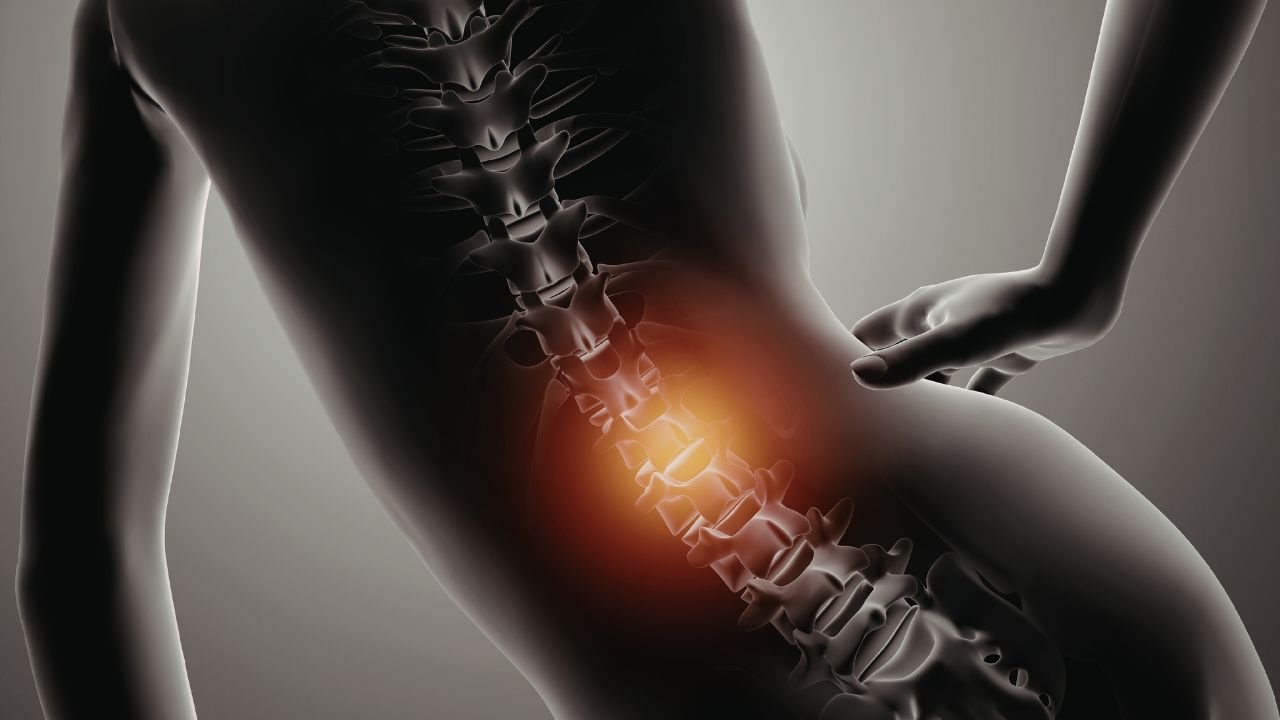
You’ve been told your spinal canal is narrowing. The words “spinal stenosis” feel heavy, and maybe you’re picturing surgery, long recovery, and months away from the activities you love. You’re frustrated because walking hurts, standing feels impossible, and you’re not ready to accept that this is just “part of getting older.”
Here’s what you need to know: spinal stenosis doesn’t always require surgery. Conservative and regenerative medicine options provide pathways to manage symptoms while preserving function and quality of life. The key is understanding which approaches align with your health goals, activity level, and tolerance for risk.
The following sections examine options ranging from physical therapy to advanced regenerative therapies. Each approach offers distinct benefits, costs, and effectiveness profiles worth considering before pursuing surgical solutions.
Key Takeaways:
- Spinal stenosis involves spinal canal narrowing that compresses nerves and causes pain, numbness, and weakness
- Conservative treatments, including physical therapy and lifestyle changes, should be attempted before invasive procedures
- Regenerative therapies like PRP and stem cells offer tissue repair options for patients seeking alternatives to surgery
- Treatment costs vary widely from $130 per physical therapy session to $150,000 for spinal fusion surgery
- Patient preference research shows that treatment modality accounts for 34.79% of decision-making importance
What Is Spinal Stenosis And Why Does It Cause Pain?
Spinal stenosis is the narrowing of the spinal canal, which can compress the spinal cord and nerves. This compression reduces the space available for neural structures and causes pain, numbness, or weakness in affected regions. The condition typically develops gradually as degenerative changes accumulate in vertebrae, discs, and surrounding soft tissues.
Bone spurs, thickened ligaments, and bulging discs contribute to progressive canal narrowing over time. Think of it like a garden hose being pinched; when the space gets smaller, everything flowing through it gets restricted.
What Symptoms Should You Expect With Spinal Stenosis?
Pain radiating into the legs often worsens with standing or walking and improves with sitting or bending forward. You might notice numbness, tingling, or weakness in one or both legs, depending on compression severity. Balance difficulties can emerge as nerve signals become disrupted by sustained pressure on spinal structures.
Cramping sensations in the calves may develop during physical activity and resolve with rest. Many patients describe feeling like their legs are “giving out” or becoming heavy after walking short distances.
How Is Spinal Stenosis Different From Other Spine Problems?
Degenerative disc disease occurs when the spinal discs wear down, leading to chronic lower back pain and potential long-term disability. Disc height loss creates abnormal vertebral mechanics and accelerates joint deterioration throughout the spine. This differs from stenosis, where the primary problem is space narrowing rather than disc collapse.
Facet arthropathy is arthritis in the small joints of the spine, leading to cartilage breakdown and bone friction. This condition produces localized inflammation and pain that intensifies with extension or rotational movements. While facet arthropathy can contribute to stenosis, they’re distinct conditions requiring different treatment approaches.
Why Should You Consider Non-Surgical Treatment For Spinal Stenosis?
Non-surgical approaches allow you to address symptoms while avoiding surgical risks and extended rehabilitation timelines. Conservative interventions preserve anatomical structures and maintain future treatment flexibility if symptoms progress over time. Many individuals achieve meaningful symptom reduction through targeted therapies that may support natural healing processes and functional restoration.
Cost considerations and recovery demands make non-invasive options attractive for active individuals managing multiple responsibilities. Spinal stenosis symptoms and nonsurgical treatments provide comprehensive frameworks for understanding available intervention pathways before considering surgery.
Choose conservative treatment if: You’re experiencing moderate pain that hasn’t severely limited your daily function, you want to preserve all future options, or you’re seeking to avoid surgical risks and recovery time.
Choose surgical consultation when: Conservative treatments have failed after 6-12 months, you’re experiencing progressive neurological deficits, or your quality of life has significantly deteriorated despite comprehensive non-surgical care.
What Do Patients Actually Want From Spine Pain Treatment?
Treatment modality accounts for 34.79% of relative importance in patient choice according to discrete choice research. Pain reduction accounts for 18.73% of relative importance in treatment selection decisions. Daily activities difficulties account for 11.71% of relative importance when evaluating therapeutic options.
Duration of effectiveness accounts for 10.06% of relative importance in patient preference models. A majority preference exists for alternatives to pharmaceutical management of chronic pain conditions. 78% of U.S. adults prefer drug-free pain management over opioids when given treatment options.
How Does Age And Demographics Affect Back Pain Experience?
Back pain prevalence ages 18-29 stands at 28.4% based on CDC surveillance data. Back pain prevalence ages 30-44 reaches 35.2% across this demographic group. Back pain prevalence ages 45-64 increases to 44.3% reflecting degenerative changes over time.
Back pain prevalence ages 65+ reaches 45.6% representing the highest affected age group. Women experience back pain at 40.6% rate compared to 37.2% in men across all age categories. Income level inversely correlates with pain prevalence, declining from 44.8% below federal poverty level to 37.6% at higher income brackets.
What Conservative Approaches Can Help Manage Spinal Stenosis?
First-line interventions include physical therapy, chiropractic care, ergonomic adjustments, and lifestyle modifications targeting symptom reduction. These foundational approaches strengthen supporting musculature and optimize movement patterns to reduce neural compression during daily activities.
Second-line interventions involve non-opioid medications like NSAIDs and targeted injections for localized pain relief when initial measures prove insufficient. These treatments address inflammation and provide diagnostic information about pain generators within spinal structures. Progressive escalation through treatment tiers allows you to identify minimally invasive solutions before considering more aggressive interventions.
How Does Physical Therapy Support Spine Health And Function?
Physical therapy strengthens core muscles that support proper spinal alignment and reduce compressive forces on neural structures. Targeted exercises improve flexibility and promote posture modifications that may decrease symptom intensity during functional activities. Manual therapy techniques address soft tissue restrictions and joint mobility limitations contributing to pain generation.
The importance of physical therapy extends beyond symptom control to include long-term functional preservation and injury prevention. Most patients begin seeing improvements within 4-6 weeks of consistent therapy participation, though full benefit may take 3-6 months of dedicated work.
What to expect: Physical therapy sessions typically last 45-60 minutes and occur 2-3 times weekly initially. You’ll learn exercises to continue at home between sessions, making your commitment crucial to success.
When Are Pain-Relieving Injections The Right Choice?
Epidural steroid injections involve needle placement into the epidural space to deliver anti-inflammatory medication directly to affected neural structures. These procedures may provide temporary relief lasting weeks to months while supporting participation in rehabilitative exercises.
Diagnostic value emerges when injection response helps identify specific pain generators requiring targeted treatment strategies. Fluoroscopy guidance improves accuracy and safety during needle placement into precise anatomical targets. Epidural steroid injections in Scottsdale provide detailed information about what to expect during and after these procedures.
Choose injections if: Physical therapy alone hasn’t provided sufficient relief after 8-12 weeks, you need diagnostic information about pain generators, or you want to participate more fully in rehabilitation, but pain prevents it.
Can Lifestyle Changes Really Make A Difference?
Weight management reduces mechanical loads on spinal structures and may decrease inflammation contributing to nerve compression. Activity modification eliminates provocative movements while maintaining cardiovascular fitness through low-impact exercise alternatives like swimming or cycling.
Workstation ergonomics optimize posture during prolonged sitting and reduce sustained compressive forces on neural elements. Five ways to prevent back pain include practical strategies for daily habit modifications supporting spine health.
Simple changes like using a standing desk, adjusting your car seat position, or choosing supportive footwear can significantly impact your daily symptom levels. These modifications work best when combined with other conservative treatments rather than used in isolation.
How Does Regenerative Medicine Work For Spinal Stenosis?
Regenerative medicine harnesses biological healing mechanisms to support damaged tissues rather than merely controlling symptoms. These therapies concentrate growth factors and cellular components that may support tissue repair in degenerated spinal structures. Platelet-rich plasma and stem cell interventions represent the primary regenerative approaches currently applied to spinal stenosis management.
Treatment selection depends on symptom severity, tissue damage extent, and your goals regarding functional restoration versus symptom palliation. Clinical research continues evaluating long-term outcomes and optimal application protocols for regenerative interventions in spine care.
What Is Platelet-Rich Plasma (PRP) Therapy?
PRP therapies involve extracting your own blood, processing it to concentrate platelets, and injecting it into the affected area. Concentrated platelets release growth factors that may support tissue repair and reduce local inflammation in degenerated structures.
Treatment protocols typically involve multiple injections spaced over several weeks to optimize biological responses. Pain reduction and functional improvement may develop gradually over months as healing processes progress. PRP is designed to support your body’s natural healing capacity by concentrating the healing factors already present in your blood.
Best for: Patients seeking a non-surgical option who have moderate degenerative changes, want to avoid donor tissue products, and can commit to the multi-session protocol.
Investment: PRP single injection ranges from $500 to $2,500 depending on preparation methods. A series of three treatments costs $2,000 to $7,500 or more based on protocol complexity.
How Can Stem Cell Therapy Support Healing?
Stem cell therapies involve extracting bone marrow, processing it to concentrate stem cells, and injecting it into the affected area. These cells may differentiate into tissue-specific cell types that support structural repair in damaged spinal components.
Anti-inflammatory properties of stem cells help modulate local immune responses contributing to chronic pain generation. What is stem cell therapy provides detailed explanations of mechanisms and clinical applications for pain conditions.
Best for: Patients with more advanced degenerative changes who have exhausted other conservative options and want to try regenerative approaches before considering surgery.
Investment: Stem cell therapy ranges from $2,000 to $20,000 reflecting significant variability in cell source and processing techniques. At ISPW, we use only autologous (your own) bone marrow-derived stem cells, never third-party donor products.
What About Regenerative Medicine Costs And Insurance?
Regenerative therapies are generally out-of-pocket expenses as they are often not covered by insurance plans. How much does regenerative medicine cost in Scottsdale offers transparent pricing information for patients evaluating treatment investments.
Geographic location and provider expertise influence final costs beyond base procedure fees. When evaluating costs, consider the potential to avoid surgery (saving $80,000-$150,000), reduce medication dependence, and maintain your active lifestyle without prolonged disability periods.
Choose regenerative medicine if: You’ve tried conservative care for 6+ months without sufficient relief, you want to avoid surgery and its recovery timeline, or you’re seeking treatments that address underlying tissue damage rather than just masking symptoms.
When Should You Consider Targeted Injection Therapies?
Injection therapies serve both diagnostic and therapeutic purposes when conservative measures provide incomplete symptom control. Targeted delivery of medication may reduce systemic side effects while concentrating therapeutic agents at pain-generating anatomical sites. These procedures help identify specific structures responsible for symptoms and guide subsequent treatment planning decisions.
Clinical guidelines recommend injection therapies for patients experiencing activity-limiting pain despite adequate trials of physical therapy and medication management. Response patterns inform prognosis and suitability for various treatment escalation pathways including regenerative interventions or surgical consultation.
What Happens During An Epidural Steroid Injection?
Epidural steroid injections deliver anti-inflammatory medication into the space surrounding spinal nerve roots affected by stenotic compression. Fluoroscopic guidance ensures accurate needle placement and confirms medication distribution to target tissues.
Relief duration varies from several weeks to several months depending on underlying pathology severity and individual response factors. Repeat injections may be performed if initial treatment produces meaningful but temporary symptom improvement.
Expected outcomes: Many patients experience 50-75% pain reduction for 3-6 months following successful epidural injections. The procedure takes 15-30 minutes, and you can usually return to normal activities within 24-48 hours.
How Do Facet Joint Injections Provide Relief?
Facet joint injections target the small joints connecting adjacent vertebrae when arthritis contributes to localized spine pain. Anesthetic and steroid combinations may reduce inflammation and interrupt pain signal transmission from affected joint structures.
Diagnostic facet blocks help confirm joint-mediated pain before considering radiofrequency ablation for longer-lasting relief. Response to initial facet joint injection predicts success rates for subsequent interventional procedures targeting the same anatomical structures.
Best for: Patients whose pain worsens with extension (leaning backward), who have localized spine pain rather than radiating leg symptoms, and who want diagnostic confirmation before more permanent interventions.
What Are The Realistic Risks And Limitations?
Infection risk remains low but requires sterile technique and appropriate patient selection to minimize complications. Temporary pain increase may occur immediately following injection before anti-inflammatory effects develop over subsequent days.
Repeated steroid exposure carries theoretical risks including tissue weakening and metabolic effects requiring judicious use frequency. Injection benefits typically prove temporary rather than curative, necessitating integration with rehabilitative and lifestyle interventions.
Understanding these limitations helps set realistic expectations. Most patients use injections as a bridge to more comprehensive rehabilitation or as diagnostic tools, not as standalone long-term solutions.
How Do Treatment Costs Compare Across Options?
Treatment costs span a wide spectrum from minimal expenses for home exercise programs to six-figure surgical interventions. Understanding financial implications helps you align treatment choices with budgets while maximizing value and outcome probability.
Insurance coverage varies significantly across intervention categories, with surgical options typically receiving better reimbursement than regenerative approaches. Out-of-pocket expenses represent important considerations for individuals evaluating elective treatments not covered by insurance plans.
What’s The Real Cost Of Physical Therapy Versus Injections?
Physical therapy per session ranges from $130 to $150 with typical treatment courses involving 8-12 sessions. Total investment for a complete PT program typically runs $1,040 to $1,800. Facet joint injection costs $550 to $1,250 depending on facility type and imaging guidance requirements.
Epidural steroid injection without fluoroscopy ranges from $701 to $1,977 based on regional pricing variations. Epidural steroid injection with fluoroscopy costs $795 to $2,801 reflecting additional imaging equipment and interpretation fees.
Use of fluoroscopy adds $100 to $500 to injection cost but improves accuracy and safety margins. Hospital outpatient departments charge significantly more than ambulatory surgery centers or physician offices for identical procedures.
How Do Regenerative Treatments Compare Financially?
Regenerative medicine treatments occupy a middle ground between conservative care and surgical intervention regarding total costs. Single PRP treatments cost less than half the price of surgical consultations and preoperative testing.
Comprehensive stem cell protocols approach lower-range surgical costs but avoid hospitalization, anesthesia, and extended disability periods. Insurance exclusion for regenerative therapies creates affordability barriers despite potential long-term value compared to repeated conventional treatments.
What Are The Economic Realities Of Surgery?
Spinal fusion surgery costs $80,000 to $150,000 including hospital fees, surgeon charges, anesthesia, and postoperative care. Indirect costs from lost work productivity and extended recovery periods add substantial economic burden beyond direct medical expenses.
Reoperation rates and complication management further increase lifetime costs associated with surgical interventions for spinal stenosis. Non surgical treatment approaches preserve future options while avoiding irreversible anatomical alterations and associated financial commitments.
When evaluating surgery costs, factor in 3-6 months of reduced work capacity, potential complications requiring additional procedures, and the reality that fusion surgery doesn’t always eliminate pain, it just changes which structures are generating it.
What New Trends Are Emerging In Non-Surgical Spine Care?
Advanced treatment modalities continue expanding options for individuals seeking alternatives to traditional surgical approaches. Technological innovation drives development of precision-targeted therapies with improved safety profiles and enhanced effectiveness.
Market growth reflects increasing consumer demand for minimally invasive interventions aligned with active lifestyle preservation goals. Evidence-based medicine increasingly supports progressive care models that reserve surgery for patients with clear structural instability or neurological deficits.
Why Is The Shift Toward Drug-Free Pain Management Accelerating?
84% of chronic lower back pain sufferers wish there were better treatment options available, according to national survey data. 70% report difficulty finding treatment that works well to ease their pain despite trying multiple conventional interventions.
Growing dissatisfaction with medication-centered approaches drives exploration of regenerative medicine, manual therapies, and integrative pain management strategies. What is Regenokine therapy represents one emerging anti-inflammatory option gaining attention from patients seeking pharmaceutical alternatives.
At ISPW, we’re Arizona’s exclusive provider of Regenokine therapy, a groundbreaking treatment that concentrates your body’s own anti-inflammatory proteins to support long-term healing. This represents the future of pain management: using your body’s intelligence rather than suppressing it with medications.
What Technology Advances Are Making A Difference?
Global spine pain market, valued at USD 8.4 billion in 2025 continues expanding as treatment innovations emerge. Global spine pain market, projected to reach USD 13.7 billion by 2035 reflects sustained growth across all intervention categories.
US non-operative spine care market, valued at USD 13.27 billion in 2025 demonstrates substantial domestic demand. The US non-operative spine care market CAGR of 9.34% during 2026-2035 exceeds overall spine market growth rates.
Stem cell therapy market projected to reach USD 45.2 billion by 2036, indicates broadening applications beyond spine conditions. Precision medicine approaches increasingly guide treatment selection based on genetic profiles and biomarker analysis.
At ISPW, we utilize advanced MLS M7 Laser Therapy, one of the few providers in Arizona offering this cutting-edge technology that may support accelerated tissue healing and pain reduction without medication or injections.
How Should You Integrate Conservative And Regenerative Approaches?
Third-line interventions include regenerative medicine therapies like PRP and stem cells for tissue support when conservative measures prove insufficient. These biological treatments target underlying degenerative processes rather than temporarily masking symptoms through medication or basic physical interventions.
Last-resort interventions reserve surgical options for severe cases with structural instability or progressive neurological deficits unresponsive to comprehensive conservative management. Treatment algorithms prioritize reversible, tissue-preserving approaches before considering irreversible anatomical alterations.
Successful outcomes depend on accurate diagnosis, appropriate treatment sequencing, and your commitment to rehabilitation and lifestyle optimization. Multidisciplinary care teams coordinate interventions across specialties to address complex presentations involving multiple pain generators and functional limitations.
What Makes ISPW’s Approach Different?
At Integrated Spine, Pain & Wellness, we don’t just manage your pain; we’re committed to supporting your body’s natural healing capacity. Dr. Ashu Goyle, double board-certified in Anesthesiology and Pain Medicine with fellowship training from the Cleveland Clinic, brings a level of expertise few practices in Arizona can match.
Our Functional Spinal Unit Approach recognizes that your spine doesn’t work in isolation. We treat the entire functional unit, muscles, ligaments, nerves, and supporting structures, to achieve results that may last years, not just months.
What makes us different:
- Arizona’s only Regenokine® provider (1 of 9 in the United States)
- Cleveland Clinic fellowship-trained expertise
- MLS M7 Laser Therapy (rare in Arizona)
- APEX Biologix PRP systems for superior concentration
- Autologous-only philosophy (we use only your own tissues, never third-party donor products)
- Opioid-free practice committed to non-narcotic solutions
Choose ISPW if: You want a physician who takes time to listen and understand your unique situation, you’re seeking cutting-edge treatments not available at other practices, or you value the combination of elite credentials with personalized, concierge-level care.
Many individuals achieve meaningful improvement through systematic application of progressive treatment strategies tailored to specific pathology and functional goals. Evidence continues accumulating regarding optimal protocols for combining conservative therapies with regenerative interventions to maximize symptom control and healing support.
Ready To Reclaim Your Active Lifestyle Without Surgery?
You’ve spent enough time managing pain, it’s time to focus on healing it. At Integrated Spine, Pain & Wellness, Dr. Goyle and our team will create a personalized treatment plan that addresses the root cause of your spinal stenosis, not just the symptoms. Whether you’re a golfer frustrated by limited mobility, an active professional tired of pain medications, or someone who’s been told surgery is your only option, we offer proven alternatives that may help you get back to the life you love.
Contact our Scottsdale team today to schedule your comprehensive evaluation and discover which conservative or regenerative approach is right for you.


