
If you’ve been told that your back pain is “just part of aging,” you’re not alone, and you deserve better answers. Degenerative disc disease affects millions of active adults who refuse to accept chronic pain as their new normal. Traditional treatments focus on managing symptoms with medication or steroid injections, but these approaches don’t address the underlying tissue breakdown causing your discomfort.
The shift toward regenerative medicine reflects what patients have been asking for all along: non surgical treatment options that target the root cause rather than masking pain. If you’re an active individual who values your golf game, your morning hikes, or simply playing with your grandchildren without limitation, understanding the differences between spine conditions, treatment costs, and delivery methods becomes essential to making informed decisions about your care.
This guide examines how regenerative approaches integrate into comprehensive care pathways for managing degenerative disc disease, and why personalized treatment matters more than a one-size-fits-all protocol.
Key Takeaways:
- Degenerative disc disease causes chronic back pain through spinal disc breakdown. Understanding the difference between disc degeneration, stenosis, and facet arthropathy helps you choose the right treatment path
- Regenerative therapies like PRP and stem cells are designed to support tissue repair without surgery, offering an intermediate option between conservative care and invasive procedures
- Treatment approach matters most to patients at 34.79% relative importance; how you’re treated often matters more than pain reduction alone
- Costs range dramatically from $130 per physical therapy session to $150,000 for spinal fusion, making it essential to understand your investment at each treatment stage
- Personalized care frameworks prioritize conservative treatments first, then regenerative options, reserving surgery only when other approaches haven’t provided adequate relief
What Is Degenerative Disc Disease And How Does It Affect Your Spine?
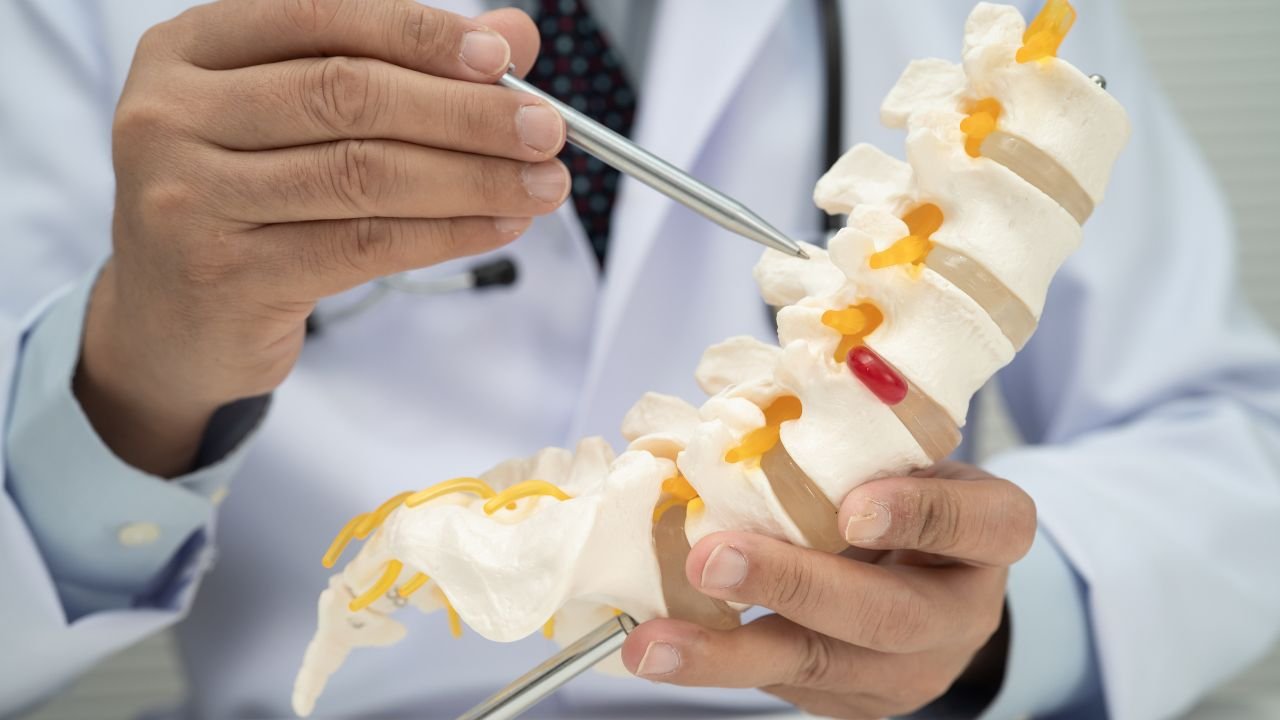
Degenerative disc disease occurs when the cushioning discs between your vertebrae wear down over time, reducing their ability to absorb shock and maintain proper spacing. This breakdown leads to chronic lower back pain that may radiate into your legs, creating the kind of discomfort that interrupts your daily routine and limits the activities you love. The condition results from natural aging, repetitive stress from years of physical activity, or acute injuries that compromise disc integrity.
As discs lose water content and height, bone surfaces move closer together. This structural change creates friction, inflammation, and potential nerve compression. Pain intensity varies depending on the degree of degeneration and how the surrounding tissues respond to these changes. Some patients experience manageable discomfort punctuated by acute flare-ups, while others deal with constant aching that affects their quality of life.
What Are The Common Symptoms You Might Experience?
Chronic back pain from degenerative disc disease typically manifests as aching or sharp discomfort in your lower back that worsens with specific activities. You might notice increased stiffness after sitting at your desk all day or standing for extended periods. Extension movements like reaching overhead or rotation movements like checking your blind spot while driving often intensify the discomfort.
Some people experience pain radiating into the buttocks or thighs without direct nerve root compression, a pattern that can be confusing when trying to identify the source of your symptoms. Morning stiffness often improves with gentle movement but returns after sustained activity like a long walk or an afternoon of yard work. This unpredictable nature significantly impacts daily function, making it difficult to plan activities or commit to social engagements when you’re not sure how your back will feel.
How Does Degenerative Disc Disease Differ From Other Spine Conditions?
Understanding what you’re dealing with matters because treatment approaches differ significantly between spine conditions. Spinal stenosis involves the narrowing of the spinal canal, which compresses the spinal cord and nerves. This condition causes pain, numbness, and weakness that typically worsens when standing or walking. Unlike degenerative disc disease, stenosis symptoms often improve when you sit down or lean forward, which is why you might notice relief when leaning on a shopping cart.
Facet arthropathy is arthritis affecting the small joints along your spine, leading to cartilage breakdown and bone-on-bone friction. This produces localized pain near your spine that may radiate outward with specific movements. Facet joint pain typically responds well to facet joint injection targeting inflammation in these structures, while disc-related pain requires different approaches.
Knowing the difference helps you understand why your neighbor’s treatment for their back pain might not be the right solution for yours, every spine condition requires personalized evaluation and targeted intervention.
What Traditional Treatments Are Available For Managing Disc-Related Pain?
Conservative management typically begins with NSAIDs to reduce inflammation, physical therapy to strengthen supporting muscles, and steroid injections for temporary pain relief. These approaches represent the foundation of care before considering more aggressive interventions. Most physicians recommend exhausting these options over several months before advancing to the next level of treatment.
Physical therapy deserves special attention because it addresses the biomechanical factors contributing to disc stress. The importance of physical therapy extends beyond simple exercises, skilled therapists identify movement patterns placing excessive load on degenerative segments and teach you how to protect your spine during daily activities. Core strengthening, flexibility training, and postural correction form the foundation of effective protocols that many patients find genuinely helpful.
Epidural steroid injections deliver anti-inflammatory medication directly into the space surrounding your spinal cord and nerve roots. The procedure involves careful needle placement into the epidural space under imaging guidance. While these injections provide temporary relief for many patients, the effects typically last weeks to months rather than providing permanent solutions. The temporary nature frustrates patients seeking lasting relief rather than repeated procedures every few months.
Why Are Regenerative Approaches Gaining Attention As Treatment Options?
Regenerative medicine represents a fundamental shift from symptom management to supporting the body’s natural healing capacity. These therapies use your own biological materials to promote cellular activity in damaged discs. Unlike steroid injections that reduce inflammation temporarily without addressing tissue damage, regenerative options aim to support structural integrity over time.
Patient demand for alternatives to surgery has accelerated adoption of regenerative therapies in spine care. You’ve made it clear through your treatment choices: 78% of U.S. adults prefer drug-free pain management over opioids. Only 22% prefer taking pain medication prescribed by a doctor for chronic conditions. This overwhelming preference reflects legitimate concerns about addiction, side effects, and the desire for sustainable solutions that let you maintain your active lifestyle.
The stem cell therapy market is projected to reach $45.2 billion by 2036, growing at 8.4% annually. This growth reflects both rising clinical interest and expanding patient awareness. When 84% of chronic lower back pain sufferers report wishing there were better treatment options, and 70% say they have difficulty finding treatment that works well, the healthcare system needs to respond with innovative approaches.
What Types Of Regenerative Therapies Are Available For Spinal Health?
Platelet-rich plasma (PRP therapy) uses concentrated growth factors from your own blood. The process involves drawing a small blood sample, processing it to concentrate platelets containing healing factors, then injecting this enriched plasma directly into damaged disc tissue under imaging guidance. Because the material comes from your body, rejection risk is minimal.
Stem cell therapy utilizes bone marrow-derived cells that may differentiate into various tissue types. The procedure typically requires bone marrow aspiration from your hip, same-day processing to concentrate stem cells, then injection into affected discs. These cells release factors designed to support your body’s healing mechanisms at the cellular level.
Stem cell therapy for spine conditions offers hope for patients who have exhausted conventional options but want to avoid surgery. The biological nature of these interventions may provide longer-lasting relief compared to repeated steroid injections, though outcomes vary based on individual factors like age, overall health, and degree of degeneration.
How Do These Therapies Actually Work In Your Body?
PRP works by delivering concentrated platelets that release growth factors when activated in damaged tissue. These growth factors are designed to support cellular repair processes and reduce inflammation. The autologous approach, using your own blood, minimizes complications since your body recognizes the material as its own.
Stem cell therapy involves extracting cells from your bone marrow that have the potential to differentiate into disc tissue or release factors supporting healing. The exact mechanisms continue to be studied, but the goal is supporting your body’s natural repair capacity rather than introducing foreign substances. Research suggests these cells may help reduce inflammation while promoting tissue remodeling over several months following injection.
Both approaches require careful patient selection and realistic expectations. Not everyone responds equally, and factors like smoking, diabetes, and advanced degeneration can limit effectiveness. This is why comprehensive evaluation matters; understanding whether you’re a good candidate helps avoid disappointment and unnecessary expense.
What Are The Real Advantages Of Regenerative Medicine Over Traditional Treatments?
Regenerative medicine targets underlying tissue damage rather than temporarily masking symptoms with medication. These therapies avoid risks associated with long-term NSAID use, which can affect kidney function and cardiovascular health over time. They also provide an alternative to repeated steroid injections, which lose effectiveness with multiple treatments and can weaken surrounding tissues.
The biological nature of regenerative interventions may provide longer-lasting relief compared to conventional injections. Recovery times are typically shorter than surgical procedures, allowing faster return to activities you enjoy. For active individuals in Scottsdale who refuse to accept prolonged downtime, this represents a significant advantage.
However, regenerative medicine requires honest conversations about outcomes. Not every patient experiences dramatic improvement, and results develop gradually over months rather than immediately. Why regenerative medicine works best depends on proper patient selection, technical execution, and integration with rehabilitation protocols. Setting appropriate expectations from the beginning prevents frustration and ensures you understand the commitment required.
Choose regenerative medicine if: You’ve tried conservative care without adequate relief, want to avoid surgery, have realistic expectations about gradual improvement, and are willing to commit to post-treatment rehabilitation.
Choose conventional injections when: You need rapid symptom relief for a specific event, prefer insurance-covered options, haven’t tried conservative measures yet, or want to test whether injection-based therapy helps before investing in regenerative approaches.
How Do Patient Preferences Actually Influence Treatment Decisions?
Research demonstrates that treatment modality accounts for 34.79% of relative importance in patient choice, meaning how you’re treated matters more than any other single factor. This finding challenges the traditional medical model that prioritizes pain reduction above all else. Pain reduction accounts for only 18.73% of relative importance, followed by difficulties with daily activities at 11.71% and duration of effectiveness at 10.06%.
What does this mean practically? You care deeply about receiving treatments that align with your values and lifestyle. You want approaches that fit into your busy schedule, don’t require prolonged recovery, and don’t contradict your preference for natural healing. This is why personalized care frameworks matter, they acknowledge that your goals and values drive treatment selection as much as clinical factors.
The data reveals something else important: 84% of chronic lower back pain sufferers wish there were better treatment options, and 70% report difficulty finding treatment that works well to ease their pain. Perhaps most telling, 37% have never been told by a healthcare provider exactly what causes their chronic pain. This lack of clear diagnosis and targeted treatment frustrates patients who want answers, not just prescriptions.
Why Do You Prefer Drug-Free And Non-Surgical Options?
Your preference for drug-free pain management reflects legitimate concerns about medication risks and long-term dependence. The opioid crisis has made everyone more cautious about narcotic prescriptions, but even non-narcotic medications carry risks when used continuously. NSAIDs can damage your stomach lining and kidneys over time, while muscle relaxants often cause drowsiness that affects your work performance and quality of life.
Surgery represents another decision point where preferences matter significantly. While spinal fusion can stabilize severe instability, the procedure requires months of recovery and carries risks including infection, hardware failure, and adjacent segment degeneration. Many patients express frustration when surgery is presented as the only option after conservative care fails, you want to know about intermediate alternatives that might spare you from going under the knife.
This is where regenerative approaches fill an important gap. They offer a middle ground between conservative care that isn’t working and surgery you’re not ready to accept. For health-conscious professionals and active adults in Scottsdale’s affluent communities, this aligns perfectly with values around natural healing and minimally invasive care.
What Do Treatments Actually Cost, And What Are Your Payment Options?
Treatment costs vary dramatically depending on modality, provider setting, and geographic location. Understanding price ranges helps you budget appropriately and evaluate whether specific treatments represent reasonable value for your situation. Insurance coverage differs significantly between conventional and regenerative approaches, affecting your out-of-pocket investment.
Conventional treatments like physical therapy and steroid injections are typically covered by insurance with copays ranging from $25 to $100 per visit. Regenerative therapies are generally not covered by insurance, requiring full patient payment. This creates a financial decision point where you must weigh the potential for longer-lasting relief against immediate out-of-pocket costs.
Cost transparency remains a challenge in healthcare, but you increasingly demand clear pricing information before committing to treatment. Reputable practices provide detailed cost breakdowns during your consultation so you can make informed financial decisions alongside clinical ones.
How Do Injection-Based Therapies Compare In Price And Procedure?
Facet joint injections cost between $550 and $1,250 depending on whether imaging guidance is used and the facility setting. Hospital-based procedures typically cost more than office-based ones. Epidural steroid injections without fluoroscopy range from $701 to $1,977, while those with fluoroscopy guidance cost between $795 and $2,801.
PRP single injection costs range from $500 to $2,500 depending on processing method and provider expertise. More sophisticated processing systems that produce higher platelet concentrations typically command premium pricing. PRP series involving three treatments over several months cost between $2,000 and $7,500+ for comprehensive protocols. Multiple treatments may enhance outcomes but increase your total investment substantially.
Stem cell therapy costs range from $2,000 to $20,000 depending on the protocol complexity and tissue source. Bone marrow-derived stem cell procedures typically cost more than adipose (fat) derived options due to the aspiration procedure required. These significant price differences reflect processing methods, cell concentrations achieved, and provider expertise, factors that influence both safety and potential outcomes.
What Role Does Physical Therapy Play Alongside Other Interventions?
Physical therapy sessions cost between $130 and $150 each, making them one of the most accessible treatment options. Programs typically involve 6 to 12 weeks of twice-weekly sessions for optimal results. While this represents a time commitment, the investment in proper movement patterns and core strengthening provides foundation for all other treatments.
Exercise-based interventions improve muscle support around damaged discs, reducing mechanical stress on degenerative segments. Manual therapy techniques address soft tissue restrictions contributing to pain and movement limitations. Physical therapy serves as a cornerstone of conservative care before advancing to injections or regenerative procedures, and it remains important afterward to maximize results.
Many patients underestimate therapy’s value because it requires active participation rather than passive treatment. However, the most successful outcomes occur when you commit to strengthening the muscles protecting your spine while other interventions address tissue damage and inflammation. This combination approach delivers better results than any single treatment alone.
When Does Surgical Intervention Become Necessary?
Spinal fusion surgery costs range from $80,000 to $150,000, representing a significant financial commitment beyond just the medical expenses. Recovery requires months away from work and normal activities, affecting your income and quality of life during that period. Surgery is reserved for cases involving structural instability, nerve compression with progressive neurological deficits, or failure of all conservative and regenerative measures.
The decision requires careful evaluation of risks versus potential benefits. Complications include infection requiring additional procedures, hardware failure necessitating revision surgery, adjacent segment degeneration where areas next to the fusion develop problems, and failed fusion where bones don’t heal properly. Most patients prefer exhausting all reasonable alternatives before accepting these risks.
This is why the treatment hierarchy matters. Starting with conservative care, advancing to regenerative options if needed, and reserving surgery as a last resort ensures you receive the least invasive effective treatment. Some patients require surgery from the beginning due to severe structural problems, but many can avoid it through proper management at earlier stages.
How Do Your Demographics Influence Both Prevalence And Treatment Access?
Age, gender, ethnicity, and socioeconomic status all correlate with spine health outcomes in ways that affect your experience with the healthcare system. Back pain prevalence increases steadily with age: 28.4% for ages 18-29, climbing to 35.2% for ages 30-44, then 44.3% for ages 45-64, and reaching 45.6% for those 65 and over. If you’re in your 50s or 60s experiencing new back pain, you’re part of the majority rather than an unfortunate exception.
Women experience back pain at a 40.6% rate compared to 37.2% for men. These gender differences may reflect anatomical factors like pelvic structure affecting spinal alignment, hormonal influences on connective tissue, or different reporting patterns between sexes. Understanding these patterns helps healthcare providers tailor treatments to your specific needs rather than applying generic protocols.
How Do Socioeconomic And Ethnic Factors Affect Your Spine Health Journey?
Non-Hispanic White adults report 42.7% prevalence of back pain, the highest among ethnic groups. Non-Hispanic Black adults report 35.8%, Hispanic adults report 31.2%, and Non-Hispanic Asian adults report 24.5%. These differences may reflect occupational patterns, genetic factors affecting disc composition, or varying access to preventive care and ergonomic work environments.
Income level significantly impacts both pain prevalence and treatment access. Adults with income less than 100% of the federal poverty level report 44.8% prevalence of back pain, while prevalence decreases as income rises. Lower-income individuals often work physically demanding jobs without ergonomic accommodations and have limited access to preventive care that might address problems before they become severe.
What Are The Implications For Accessing Regenerative Therapies?
The financial barrier to regenerative therapies creates disparities in who can access these innovative approaches. When treatments cost thousands of dollars out-of-pocket and insurance doesn’t cover them, only those with substantial discretionary income can realistically pursue these options. This explains why regenerative medicine practices often locate in affluent areas like Scottsdale, where the demographic matches the financial requirements.
Some clinics offer payment plans to improve affordability, allowing you to spread costs over several months. However, these arrangements still require creditworthiness and stable income to qualify. Expanding insurance coverage could democratize access to regenerative treatments, but until payers recognize these approaches as medically necessary rather than experimental, the financial burden remains entirely on patients.
For health-conscious professionals and active adults in North Scottsdale and Paradise Valley, the out-of-pocket investment aligns with your willingness to pay premium prices for premium care. You view your health as your greatest asset and make investment decisions accordingly, understanding that maintaining your active lifestyle and avoiding surgery justifies the expense.
What Are The Latest Trends And Expert Recommendations Shaping Spine Care?
The spine care landscape is evolving rapidly with advances in precision diagnostics and shifts in clinical philosophy. Experts increasingly advocate for multidisciplinary approaches integrating physical rehabilitation, injection therapies, and regenerative medicine. This comprehensive strategy addresses all aspects of spine health, biomechanics, inflammation, tissue damage, and functional capacity, rather than isolated symptoms.
Professional societies now emphasize non-opioid pain management strategies in response to the addiction crisis that has devastated communities nationwide. Minimally invasive procedures are preferred over open surgery when clinically appropriate. These trends reflect a broader movement toward personalized, precision-based care in musculoskeletal medicine that treats you as an individual rather than a diagnosis code.
How Is Precision Medicine Shaping Your Treatment Plan?
Precision medicine uses advanced diagnostics to identify specific tissue damage and pain generators in your unique anatomy. High-resolution MRI reveals subtle disc abnormalities invisible on standard scans, allowing targeted interventions addressing actual pathology rather than generalized symptoms. Genetic profiling may eventually predict which patients will respond best to specific regenerative therapies, though this remains largely experimental.
Biomarker analysis could guide timing and dosage of biological interventions for optimal outcomes. Instead of giving everyone the same PRP concentration, future protocols might adjust platelet counts based on your inflammatory markers and healing capacity. This individualized approach contrasts sharply with traditional protocols applying the same treatment to all patients regardless of their biological differences.
Advanced imaging technologies enable physicians to see exactly which disc levels show damage, whether facet joints are involved, and whether nerve compression is present. This precision eliminates guesswork and ensures treatments target the structures actually causing your pain. For patients frustrated by trial-and-error approaches, precision diagnostics provide reassuring clarity about what’s wrong and why specific treatments make sense for your situation.
What Is The Shift Toward Minimally Invasive And Regenerative Procedures?
The stem cell therapy market is projected to reach $45.2 billion by 2036, growing at 8.4% annually as clinical applications expand beyond experimental protocols. The global spine pain market is valued at $8.4 billion in 2025 and projected to reach $13.7 billion by 2035, a 5.0% annual growth rate reflecting steady adoption of conservative and regenerative treatments.
These market dynamics indicate increasing adoption of minimally invasive approaches as alternatives to surgery. Both patients and physicians recognize that spinal fusion should be reserved for specific structural problems rather than employed as first-line treatment for degenerative changes. The pendulum has swung away from aggressive surgical intervention toward strategies supporting your body’s natural healing capacity.
Minimally invasive procedures offer several advantages: outpatient settings rather than hospital admissions, local anesthesia rather than general, same-day discharge rather than extended stays, and weeks of recovery rather than months. For busy professionals who can’t afford prolonged absences from work, these practical considerations often matter as much as clinical outcomes.
How Do Regenerative Approaches Actually Fit Into Your Treatment Journey?
Regenerative approaches integrate into a structured treatment hierarchy beginning with conservative interventions. This stepped-care model ensures you receive the least invasive effective treatment first, advancing to more aggressive options only when necessary. Understanding this framework helps you navigate the often-confusing healthcare system with greater confidence.
Clinical decision-making now considers your preferences, functional goals, and biological factors when selecting treatments. This patient-centered approach improves satisfaction and adherence to protocols because you feel heard and understood rather than processed through a cookie-cutter system. Your input matters in determining which treatments align with your values and lifestyle.
What Is The Decision Framework Guiding Your Treatment Selection?
First-Line Interventions include physical therapy, chiropractic care, ergonomic adjustments, and lifestyle modifications for initial management. These conservative approaches address modifiable factors without invasive procedures or long-term medication use. Most patients begin here, spending 6-12 weeks optimizing movement patterns and strengthening core muscles before considering other options.
Second-Line Interventions include non-opioid medications like NSAIDs and targeted injections for localized pain relief. If conservative care provides partial but incomplete relief, diagnostic injections help identify specific pain generators. Facet joint injections, epidural steroids, or nerve blocks serve both diagnostic and therapeutic purposes at this stage.
Third-Line Interventions include regenerative medicine therapies like PRP and stem cells designed to support tissue repair in persistent cases. You reach this level when conservative care and conventional injections haven’t provided adequate relief, but you’re not ready for surgery or don’t meet surgical criteria. Regenerative approaches offer an intermediate option worth exploring before accepting the risks and recovery time associated with fusion procedures.
Last-Resort Interventions include surgical options reserved for severe cases with structural instability, progressive neurological deficits, or failure of all other approaches. Surgery becomes appropriate when conservative measures, injections, and regenerative therapies have been exhausted without success, or when your condition presents immediate risks like cauda equina syndrome requiring emergency intervention.
How Can Different Therapies Work Together For Better Outcomes?
Regenerative therapies work synergistically with physical therapy by promoting tissue healing while exercises improve biomechanics. The combination addresses both biological damage and functional deficits contributing to ongoing pain. Many protocols incorporate specific rehabilitation phases after regenerative injections to optimize tissue remodeling as healing occurs.
Regenerative approaches may extend relief duration compared to conventional steroid injections alone. Some clinicians use diagnostic injections first to identify pain sources, then proceed with regenerative treatments targeting confirmed generators. This sequential approach ensures biological therapies address actual problems rather than treating areas that aren’t contributing to your symptoms.
Integration with lifestyle modifications amplifies results from all interventions. Weight management reduces mechanical stress on degenerative discs, slowing symptom progression. Anti-inflammatory nutrition supports your body’s healing processes. Stress management techniques reduce muscle tension that aggravates spine pain. These foundational changes create an internal environment where treatments can work optimally.
What Should You Know About Long-Term Spine Health Maintenance?
Long-term spine health requires ongoing attention to posture, movement patterns, and core muscle strength even after successful treatment. Periodic reassessment helps detect new degenerative changes before they become symptomatic, allowing early intervention when treatments are most effective. Maintenance care may include periodic physical therapy sessions, ergonomic adjustments as your activities change, and lifestyle modifications supporting continued health.
Regular exercise maintains flexibility and muscle support, protecting vulnerable spinal segments from injury. Activities like swimming, walking, and yoga provide low-impact options for staying active without excessive disc loading. Patients who adopt comprehensive lifestyle changes typically achieve better long-term outcomes than those relying solely on periodic injections or procedures.
Weight management deserves special emphasis because excess pounds place tremendous stress on your lower back. Every pound of body weight translates to multiple pounds of force on spinal structures during activity. Even modest weight loss can significantly reduce pain and slow degenerative progression, making it one of the most impactful changes you can make.
Living With Degenerative Disc Disease: Taking Control Of Your Spinal Health Journey
Managing degenerative disc disease requires a comprehensive strategy addressing both immediate symptoms and long-term spine health. You don’t have to accept chronic pain as your new reality just because you’re getting older or have developed some disc degeneration. Regenerative medicine approaches offer promising alternatives to surgery for appropriately selected patients seeking solutions designed to support tissue repair rather than merely masking symptoms.
Your preferences matter significantly in determining the right treatment path. You’ve made it clear through research and treatment choices: you favor drug-free and minimally invasive options over surgery and long-term medication use. Understanding treatment costs, delivery methods, and how different approaches integrate into comprehensive care pathways empowers you to make informed decisions aligned with your values and goals.
Demographic trends indicate rising demand for all spine pain treatments as populations age globally, but this doesn’t mean you’re condemned to accepting limitations. Effective management combines conservative care, targeted injections, regenerative therapies, and lifestyle modifications based on your individual needs. Success depends on patient selection, technical execution by experienced providers, and integration with rehabilitation protocols designed for your specific situation.
Long-term success requires sustained commitment to maintaining spine health through ongoing preventive measures. This means staying active, managing your weight, addressing ergonomic issues at work and home, and seeking care promptly when new symptoms develop rather than waiting until problems become severe. Think of spine health as an investment requiring regular deposits rather than a one-time transaction.
For active individuals in Scottsdale who refuse to let pain steal their lifestyle, integrated approaches combining multiple treatment modalities offer the best outcomes. Scottsdale’s medical community increasingly incorporates regenerative medicine alongside traditional interventions to provide full-spectrum care addressing your unique needs. The goal isn’t just reducing pain, it’s helping you heal so you can return to the activities defining your quality of life.
At Integrated Spine, Pain & Wellness, we understand that your time is valuable and your goals extend beyond simply managing symptoms. Dr. Goyle’s Cleveland Clinic training, combined with our commitment to non-narcotic regenerative approaches, provides the expertise you need to explore all appropriate options before considering surgery. Our personalized treatment plans respect your active lifestyle while addressing the root causes of your pain, not just masking symptoms with medication.
We believe you deserve answers, not excuses. You deserve treatments aligned with your preference for natural healing. And you deserve a healthcare partner who invests the time to understand your unique situation, functional goals, and what matters most to you. Whether you’re a golfer frustrated by limitations, a professional whose demanding career can’t accommodate prolonged recovery, or simply someone tired of being told pain is inevitable, we’re here to help you explore better options.
Contact our team today to schedule a comprehensive evaluation and discover which treatment approaches align with your goals. Your journey to reclaiming your active, pain-free lifestyle starts with understanding what’s possible, and we’re committed to exploring every appropriate option to help you heal, not just cope.


