
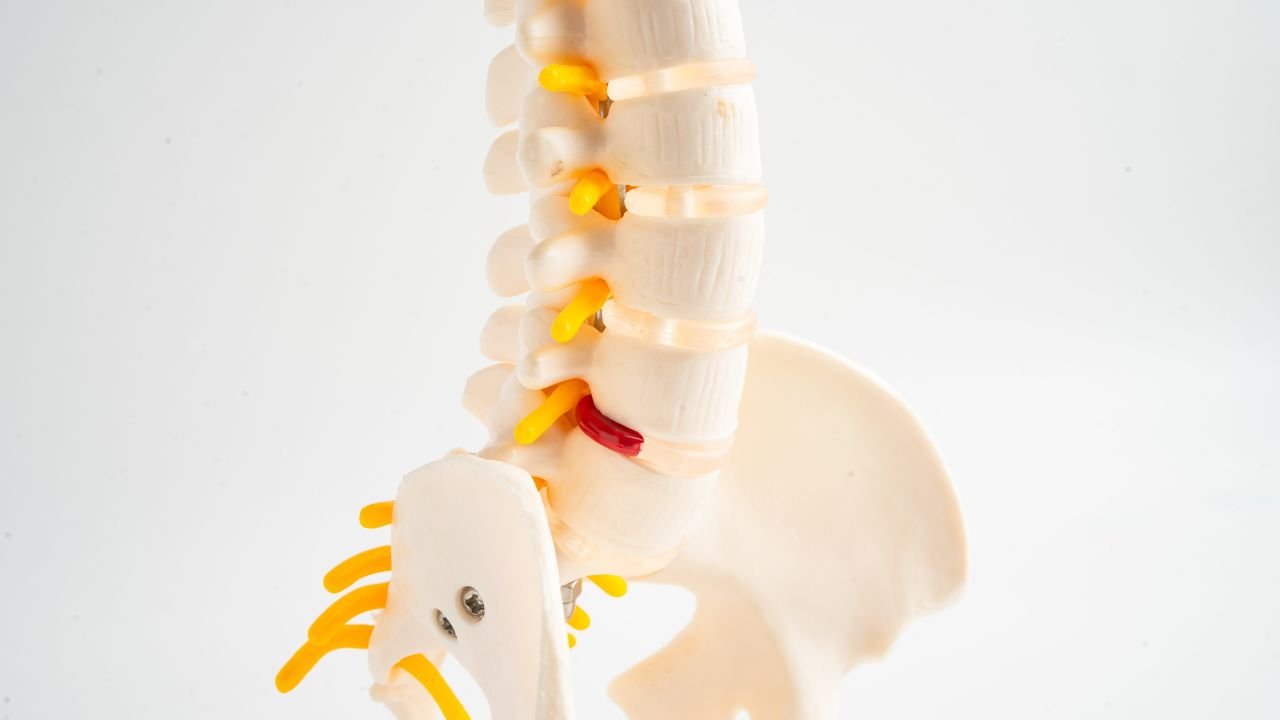
If you’ve been living with chronic neck or back pain that worsens with certain movements, like bending backward, twisting, or standing for extended periods, your physician may have recommended a medial branch block injection. This diagnostic procedure helps determine whether small joints in your spine, called facet joints, are the source of your pain. Unlike treatments that simply mask symptoms, a medial branch block provides critical information that guides your long-term treatment plan, potentially opening the door to radiofrequency ablation for sustained relief lasting 6-12+ months or longer.
Understanding what happens during the procedure, how to interpret the results, and what comes next empowers you to make informed decisions about your pain management journey.
Key Takeaways
- Medial branch blocks are diagnostic tests that identify facet joint pain by temporarily blocking nerve signals
- A positive result (50-75%+ relief) establishes candidacy for radiofrequency ablation with 70-80% success rates
- The fluoroscopy-guided procedure takes 15-30 minutes and targets 3-4 spinal levels bilaterally
- Careful pain tracking during the 1-4 hour anesthetic window determines treatment success
- Common side effects include temporary soreness (2-5 days) and low complication rates (bleeding <1%, infection <0.1%)
What Is a Medial Branch Block Injection?
A medial branch block is a diagnostic injection procedure that helps identify whether facet joints in your spine are the source of chronic neck or back pain. The procedure targets small nerves called medial branches, which transmit pain signals from the facet joints to your brain. By temporarily blocking these nerve signals with a local anesthetic, your physician can determine if your pain originates from facet joint dysfunction.
What Does A Medial Branch Block Injection Do?
A medial branch block targets the medial branch nerves that carry pain signals from facet joints in your spine. These nerves are small branches of the dorsal rami that innervate the synovial facet joints from L1 through S1 in the lumbar spine, as well as corresponding levels in the cervical and thoracic regions. The injection delivers a small volume of local anesthetic, typically 0.5 to 1cc, directly near these nerve branches to temporarily interrupt pain signal transmission.
Is a Medial Branch Block Used For Diagnosis, Short-Term Pain Relief, Or Both?
| Purpose | Primary Function | What It Confirms | Duration of Relief | How Results Guide Treatment |
| Diagnostic | Identifies if facet joints are pain source | 50-75%+ pain reduction = positive result | Hours to days (temporary) | Positive result → RFA candidacy |
| Therapeutic | Provides temporary symptom relief | Pain relief during anesthetic window | Lidocaine: hours; Bupivacaine: days | Dual blocks (lidocaine/bupivacaine) confirm consistency |
| Prognostic | Predicts RFA success rate | Helps estimate long-term treatment benefit | Temporary only | Positive block → 70-80% RFA success rate |
How Does A Medial Branch Block Differ From A Facet Joint Injection?
| Feature | Medial Branch Block | Facet Joint Injection |
| Injection Location | Near medial branch nerve (outside joint) | Directly into facet joint capsule |
| Target Structure | Medial branch nerves (dorsal rami) | Synovial facet joint itself |
| Main Purpose | Diagnostic test for nerve-mediated pain | Direct joint treatment/inflammation reduction |
| Treatment Plan Use | Determines RFA candidacy | May provide longer therapeutic benefit |
Why Might You Need A Medial Branch Block Injection?
Medial branch blocks help evaluate whether your chronic neck or back pain originates from facet joints rather than other spinal structures like discs or nerve roots. Facet joint pain typically presents with specific patterns that suggest these small joints, rather than herniated discs or compressed nerves, are the primary pain generators.
What Types Of Back Or Neck Pain Can A Medial Branch Block Help Evaluate?
- Cervical facet pain: Neck pain from C-spine facet joints
- Thoracic facet pain: Mid-back pain from thoracic facet joints
- Lumbar facet pain: Low back pain from L1-S1 facet joints
- Extension-related pain: Pain patterns that worsen with backward bending
- Rotational pain: Discomfort triggered by twisting movements
- Standing-related pain: Pain that increases with prolonged standing
What Signs May Make Doctors Suspect Facet Joint Pain?
- Pain localized near the spine (paraspinal) rather than radiating far down limbs
- Pain triggered by extension (bending backward) or rotation
- Chronic neck or back pain not fully explained by disc pathology
- Tenderness over the facet joints on physical examination
- Pain patterns that don’t follow dermatomal distribution
- Exam findings suggesting facet involvement rather than nerve root compression
When Is A Medial Branch Block Considered After Other Treatments Have Not Helped?
A medial branch block is typically considered after conservative therapies fail to provide adequate relief. Your physician may recommend this diagnostic procedure after physical therapy, anti-inflammatory medications, and activity modifications haven’t resolved your pain. The block helps confirm the diagnosis before proceeding to more invasive treatments like radiofrequency ablation.
It’s particularly valuable when you want to avoid long-term medication dependency and need confirmation that facet joints, not other spinal structures, are generating your pain.
How Do Medial Branch Block Injections Work?
Medial branch blocks work by temporarily interrupting pain signals from facet joints. The procedure targets specific nerve branches based on your pain location and symptoms, creating a diagnostic window that reveals whether facet joint dysfunction is your primary pain source.
Which Medial Branch Nerves May Be Targeted?
- Lumbar spine: Medial branch nerves from L1-S1 levels
- Dorsal rami branches: Small nerve branches that innervate facet joints
- Multi-level targeting: Typically 3-4 levels treated bilaterally
- Specific to pain location: Cervical, thoracic, or lumbar nerves based on symptoms
- Nerve vs. joint approach: Blocks the small nerves rather than injecting the joint directly
How Do Medial Branch Nerves Relate To The Facet Joints?
Medial branch nerves are small branches of the dorsal rami that transmit sensory information from facet joints. Each facet joint receives innervation from medial branches at two adjacent spinal levels, creating overlapping nerve coverage. These nerves carry pain signals from the facet joint capsule to your central nervous system. By blocking these specific nerves with a local anesthetic, the procedure interrupts pain transmission from the synovial facet joints without affecting other spinal structures.
Why Can Pain Relief After The Injection Help Confirm The Source Of Pain?
Pain relief of 50-75% or greater during the anesthetic window indicates a positive diagnostic result, confirming that facet joints are your primary pain source. Physicians often perform dual blocks using lidocaine followed by bupivacaine to confirm reproducible responses and rule out placebo effects. Relief during specific activities, like standing, walking, or rotating your spine, helps verify the facet origin of your pain.
A positive block predicts a 70-80% success rate with radiofrequency ablation for longer-term relief. Conversely, a negative result suggests your pain source is not facet-mediated and may originate from SI joints, discs, or other structures.
How Should You Prepare For A Medial Branch Block Procedure?
Proper preparation ensures the safest and most accurate diagnostic results from your medial branch block. Your physician will review your medical history, current medications, and any factors that might affect the injection procedure or results.
What Should You Tell Your Doctor Before The Procedure?
- Current medications (especially blood thinners)
- All anticoagulation or antiplatelet medications
- Drug allergies or contrast dye allergies
- Active illness, infection, or fever
- Pregnancy status (procedure typically avoided during pregnancy)
- Prior reactions to injections, anesthesia, or lidocaine/bupivacaine
- Any bleeding disorders or clotting issues
When May A Medial Branch Block Need To Be Delayed Or Adjusted?
| Consideration | Delay/Adjustment Needed | Reason |
| Blood thinners | May need temporary discontinuation | Bleeding risk (<1% baseline) increases with anticoagulation |
| Active infection/fever | Procedure postponed | Infection risk (<0.1% baseline) increases; systemic infection contraindication |
| Pregnancy | Generally avoided | Fluoroscopy radiation exposure; medication safety concerns |
| Uncontrolled medical conditions | Stabilization required first | Conditions like uncontrolled diabetes affect healing, infection risk |
| Contrast allergy | Alternative imaging or pre-medication | Contrast dye used to verify needle placement |
What Are The Day-Of-Procedure Preparation Instructions?
- Fasting requirements (typically light meal allowed, provider-specific)
- Continue most regular medications unless instructed otherwise
- Wear comfortable, loose-fitting clothing with easy access to treatment area
- Arrive early for check-in and consent paperwork
- Bring pain logs or symptom diary if requested
- Bring list of current medications and allergies
Should You Arrange For Someone To Drive You Home?
Transportation arrangements are recommended due to temporary numbness or weakness that can last 1-4 hours after the procedure. A driver is required if sedation is used during the procedure. Most physicians recommend avoiding driving and strenuous activities for 24-48 hours post-procedure. Provider-specific guidance may vary based on whether you receive sedation and whether bilateral treatment is performed.
What Should You Expect During A Medial Branch Block Procedure?
The medial branch block procedure is performed under fluoroscopic guidance to ensure precise needle placement near the target nerves. Most patients experience minimal discomfort during the injection, which typically takes 15-30 minutes from start to finish including preparation and monitoring.
What Are The Main Steps Of A Medial Branch Block Procedure?
- Check-in and consent review: Verify procedure details, sign consent forms
- Positioning: Patient positioned prone (face-down) on procedure table
- Skin preparation: Sterile cleaning and draping of injection area
- Local anesthesia: Skin numbed with local lidocaine
- Fluoroscopy-guided needle placement: 22-25 gauge needle inserted under real-time imaging
- Contrast verification: Small amount of contrast dye confirms needle position
- Anesthetic injection: 0.5-1cc of anesthetic (lidocaine or bupivacaine) injected per level
- Multi-level treatment: Typically 3-4 levels treated bilaterally
- Post-procedure monitoring: Brief observation period before discharge
Will Imaging Guidance Be Used During The Injection?
Fluoroscopy, real-time X-ray imaging, is mandatory for safe, accurate needle placement during spine injections like medial branch blocks. This continuous imaging confirms the needle tip position near the target medial branch nerve before any medication is delivered.
Contrast dye injection verifies no vascular uptake before anesthetic delivery, ensuring the medication reaches the intended nerve structure rather than entering blood vessels. This precision is essential when targeting small nerve structures to achieve accurate diagnostic results.
What May Patients Feel During The Procedure?
- Brief pressure sensation at injection site
- Mild stinging or burning from local lidocaine numbing
- Temporary discomfort with needle advancement (typically minimal)
- Little to no sensation once area is numb
- Possible brief pressure sensation with anesthetic injection
- Short-lived soreness afterward (2-5 days typical)
- Possible temporary numbness or weakness (1-4 hours)
How Long Does A Medial Branch Block Procedure Usually Take?
The entire procedure typically takes 15-30 minutes from positioning through post-procedure monitoring. The actual injection time is shorter, with most of the time spent on patient positioning, sterile preparation, fluoroscopic imaging, and brief monitoring after completion.
Multi-level bilateral injections, treating 3-4 levels on each side of the spine, may extend the procedure duration. Additional time for post-procedure observation is required before discharge to monitor for immediate adverse reactions.
What Should You Expect Right After A Medial Branch Block Injection?
Immediately following the procedure, you’ll experience temporary numbness in the treated area as the local anesthetic takes effect. Most patients are discharged within 10-30 minutes with specific activity restrictions for the first 24-48 hours.
How Soon Can You Go Home After The Procedure?
Most patients are discharged within 10-30 minutes after the procedure once immediate monitoring is complete. Your medical team will observe you briefly for any adverse reactions before clearing you to leave. You must have a driver arranged if sedation was used or if bilateral blocks cause significant numbness or weakness. Discharge instructions, including activity restrictions and pain tracking guidance, are provided before you leave the facility.
What Is The Typical Same-Day Activity Guidance?
- Walking: Normal walking allowed immediately
- Driving: Not permitted for 24-48 hours (restrictions vary by provider)
- Strenuous activity: Should be limited for 24-48 hours post-procedure
- Work/routines: May resume when numbness resolves (1-4 hours), provider-dependent
- Individual variation: Provider instructions tailored to patient’s response, sedation use, bilateral treatment
How Long Does The Numbing Medicine Last?
Numbness typically lasts 1-4 hours after the procedure, though the pain relief window may begin 10-30 minutes after injection. Lidocaine provides shorter-duration relief lasting hours, while bupivacaine extends relief for days. Physicians often perform dual blocks using both anesthetics sequentially to confirm reproducible responses and verify that pain relief is genuine rather than placebo effect.
Why May The Pain Relief Be Temporary Even If The Test Is Successful?
A medial branch block is diagnostic, not curative; the anesthetic effect is temporary by design, lasting only hours to days. The procedure’s purpose is to identify your pain source, not provide long-term relief. Positive temporary relief confirms that facet joints are your pain generators and establishes candidacy for radiofrequency ablation, which can provide 6-12+ months of sustained relief.
The temporary nature of the block doesn’t diminish its value; it provides critical diagnostic information that guides your long-term treatment plan.
How Do Doctors Decide Whether The Medial Branch Block Worked?
Physicians evaluate the success of a medial branch block based on the degree and duration of pain relief you experience after the injection. Careful pain tracking during the anesthetic window helps determine whether facet joints are your primary pain source.
How Do Doctors Interpret Pain Relief After The Injection?
| Degree of Relief | Duration | Matches Anesthetic Window? | Positive Result Suggests | Unclear/Negative Result Suggests |
| 50-75%+ reduction | Hours to days | Yes | Facet joints are likely pain source; RFA candidate | N/A |
| <50% reduction | Any duration | N/A | N/A | Facet joints may not be primary source |
| Variable relief | Inconsistent | No | N/A | May need repeat block or alternative diagnosis |
| No relief | N/A | N/A | N/A | Pain source likely SI joint, disc, or other structure |
Why May Patients Be Asked To Track Pain Relief Carefully?
- To compare pain levels before and after injection
- To determine if relief occurred during normal daily activities
- To assess whether relief matches the expected anesthetic duration (1-4 hours numbness window)
- To help confirm whether targeted nerves are the likely pain source
- To support the decision for radiofrequency ablation or alternative treatment
- To document response for insurance authorization (if applicable)
Why Do Some Patients Need More Than One Medial Branch Block?
Dual blocks using lidocaine followed by bupivacaine confirm reproducible, consistent responses and help verify that relief is genuine rather than a placebo effect. If the first block produces unclear results, a second confirmatory block may be necessary before proceeding to more invasive treatments. Different anesthetics with varying durations of action help physicians distinguish true diagnostic responses from coincidental pain fluctuations.
Insurance or provider protocols often require two positive blocks before approving radiofrequency ablation, ensuring diagnostic accuracy before proceeding to nerve ablation.
What May It Mean If The Injection Does Not Reduce Pain?
- Alternative pain source: Facet joints are not the primary pain generator
- Other structures involved: SI joint, disc pathology, or other spinal structures may be cause
- Further evaluation needed: May prompt MRI, EMG, or additional diagnostic testing
- Treatment plan shift: May consider SI joint injection, epidural steroids, or other intervention
- Not a treatment failure: Negative block still provides valuable diagnostic information
What Are The Next Steps After A Positive Medial Branch Block?
A positive medial branch block, defined as 50-75% or greater pain relief during the anesthetic window, establishes you as a candidate for radiofrequency ablation. This longer-lasting treatment uses heat to create lesions on the medial branch nerves, interrupting pain transmission for 6-12+ months.
Can Radiofrequency Ablation Be Recommended After A Successful Block?
Yes, a positive medial branch block with 50-75% or greater relief establishes RFA candidacy and predicts a 70-80% success rate with the ablation procedure. RFA is typically performed 2-6 weeks after positive block confirmation, allowing time for the diagnostic anesthetic to wear off completely. Some providers or insurance plans require two positive blocks before RFA approval to ensure diagnostic accuracy and minimize the risk of treating the wrong pain source.
How Does Radiofrequency Ablation Compare With A Medial Branch Block?
| Feature | Medial Branch Block | Radiofrequency Ablation (RFA) |
| Purpose | Diagnostic test to identify pain source | Therapeutic procedure to provide long-term relief |
| How It Works | Anesthetic temporarily blocks nerve signals | Heat lesions nerves to interrupt pain transmission |
| Expected Duration | Hours to days (temporary) | 6-12+ months (some patients longer) |
| Treatment Pathway | Performed first to confirm diagnosis | Performed after positive block(s) |
| Success Prediction | 50-75%+ relief = positive diagnostic | 70-80% success rate after positive block |
How Long Can Pain Relief From Radiofrequency Ablation Last?
Radiofrequency ablation typically provides 6-12+ months of sustained pain relief, with some patients experiencing relief extending beyond 12 months. The nerves eventually regenerate over time, which may cause pain to return, but the procedure can be safely repeated if needed.
Relief duration varies based on individual patient response and how quickly nerve regeneration occurs. The 70-80% success rate following positive diagnostic blocks makes RFA one of the most effective long-term treatments for facet joint-mediated pain.
What Are The Risks And Side Effects Of A Medial Branch Block Injection?
Medial branch blocks are generally safe procedures with a low complication rate. Most patients experience only mild, temporary side effects that resolve within a few days, though understanding potential risks helps you recognize normal recovery versus concerning symptoms.
What Mild Side Effects Are Most Common After The Procedure?
- Temporary soreness: Injection site soreness lasting 2-5 days (very common)
- Mild bruising: At needle insertion sites
- Short-lived numbness or weakness: Lasting 1-4 hours post-procedure
- Temporary pain flare: 10-20% of patients experience increased pain within 24 hours
- Minor discomfort: At injection site during healing
- Vasovagal response: 5% of patients (dizziness, lightheadedness during procedure)
What Rare But Serious Complications Should Patients Know About?
- Bleeding: <1% incidence (higher risk with blood thinners)
- Infection: <0.1% incidence (very rare with sterile technique)
- Allergic reaction: To anesthetic or contrast dye (rare)
- Nerve injury: Rare with fluoroscopic guidance
- Unexpected worsening symptoms: May indicate need for immediate medical attention
What Warning Signs Mean Patients Should Call Their Doctor?
- Fever: May indicate infection
- Severe or worsening pain: Beyond expected soreness (2-5 days)
- New weakness: Not resolving after anesthetic wears off (>4 hours)
- Persistent numbness: Lasting beyond 4 hours post-procedure
- Signs of infection: Redness, warmth, drainage at injection site
- Symptoms inconsistent with normal recovery: Any concerning or unusual symptoms
What Questions Should You Ask Before Your Medial Branch Block Procedure?
Asking the right questions before your medial branch block ensures you understand the procedure’s purpose, expected outcomes, and how results will guide your treatment plan. Clear communication with your physician helps set realistic procedure expectations and prepares you for the next steps in your care.
What Questions Should You Ask About Whether The Injection Is For Diagnosis, Treatment, Or Both?
- What is the main goal of this procedure in my case: diagnosis, temporary relief, or both?
- What kind of pain relief should I realistically expect (50-75%+ diagnostic threshold)?
- How will you know whether the block worked (pain diary, activity testing)?
- What happens next if it helps (RFA candidacy, dual block protocol)?
- What happens if it does not help (SI joint evaluation, disc evaluation, other diagnostics)?
What Questions Should You Ask About Pain Relief And Recovery Expectations?
- How long might the numbing effect last (1-4 hours expected)?
- What should I do after the procedure (activity restrictions 24-48 hours)?
- When can I return to work, exercise, or driving (typically 24-48 hours)?
- What side effects are normal (soreness 2-5 days, flare 10-20% in 24 hours)?
- Which side effects are not normal and require immediate contact (fever, severe pain, new weakness)?
What Questions Should You Ask About Tracking Pain Relief After the Injection?
- Should I use a pain diary to record relief (recommended)?
- What activities should I do to test whether the pain changed (normal daily activities)?
- How often should I record my pain level (multiple times during anesthetic window)?
- When should I report the results (at follow-up appointment or sooner)?
- What degree of relief qualifies as positive (50-75%+ reduction)?
What Are The Treatment Options After A Positive Or Negative Result?
| Result Type | Possible Next Steps | Repeat Block Considerations | Alternative Diagnostics/Therapies |
| Positive (50-75%+ relief) | Proceed to RFA consultation; may need dual confirmatory block | Second block with different anesthetic to confirm | RFA expected success: 70-80% |
| Negative (<50% relief) | Evaluate alternative pain sources | Generally not repeated unless unclear result | SI joint injection, epidural steroids, MRI, EMG/NCS for disc/nerve pathology |
| Unclear/variable | May repeat block to clarify | Often repeated with protocol adjustments | May pursue imaging or alternative testing |
| RFA after positive block | Long-term relief (6-12+ months) | RFA can be repeated if pain returns after nerve regeneration | N/A |
Choose a medial branch block if: You have chronic neck or back pain localized near the spine that worsens with extension or rotation, and conservative treatments haven’t provided adequate relief.
Consider alternatives if: Your pain radiates far down your limbs in dermatomal patterns (suggesting nerve root compression rather than facet joint pain), or you have a clear disc herniation causing radicular symptoms that would be better addressed with epidural steroid injections.
What Should You Remember About Medial Branch Block Injections?
Medial branch blocks serve as a critical diagnostic tool that identifies whether facet joints are your primary pain source and establishes candidacy for longer-lasting treatments like radiofrequency ablation. Understanding the procedure’s purpose, expected outcomes, and role in your treatment pathway helps you approach it with realistic expectations and confidence.
What Are The Most Important Takeaways?
- Diagnostic purpose: Medial branch block evaluates facet-related neck or back pain (50-75%+ relief = positive)
- Brief, image-guided procedure: 15-30 minutes, fluoroscopy-guided, 3-4 bilateral levels typical
- Pain tracking is critical: Documenting relief during anesthetic window (1-4 hours) guides next steps
- RFA pathway: Positive block establishes RFA candidacy with 70-80% predicted success for 6-12+ months relief
- Common expectations: Temporary soreness (2-5 days), numbness (1-4 hours), restrictions (24-48 hours)
- Safety profile: Low risk (bleeding <1%, infection <0.1%, flare 10-20% in 24 hours)
- Dual block protocol: May require two positive blocks (lidocaine and bupivacaine) before RFA approval
Find Lasting Relief From Chronic Neck And Back Pain
If you’re experiencing chronic neck or back pain that hasn’t responded to conservative treatments, a medial branch block may provide the diagnostic clarity you need to move forward with an effective treatment plan. Contact our team today to schedule a consultation and discover whether this procedure is right for you.


