
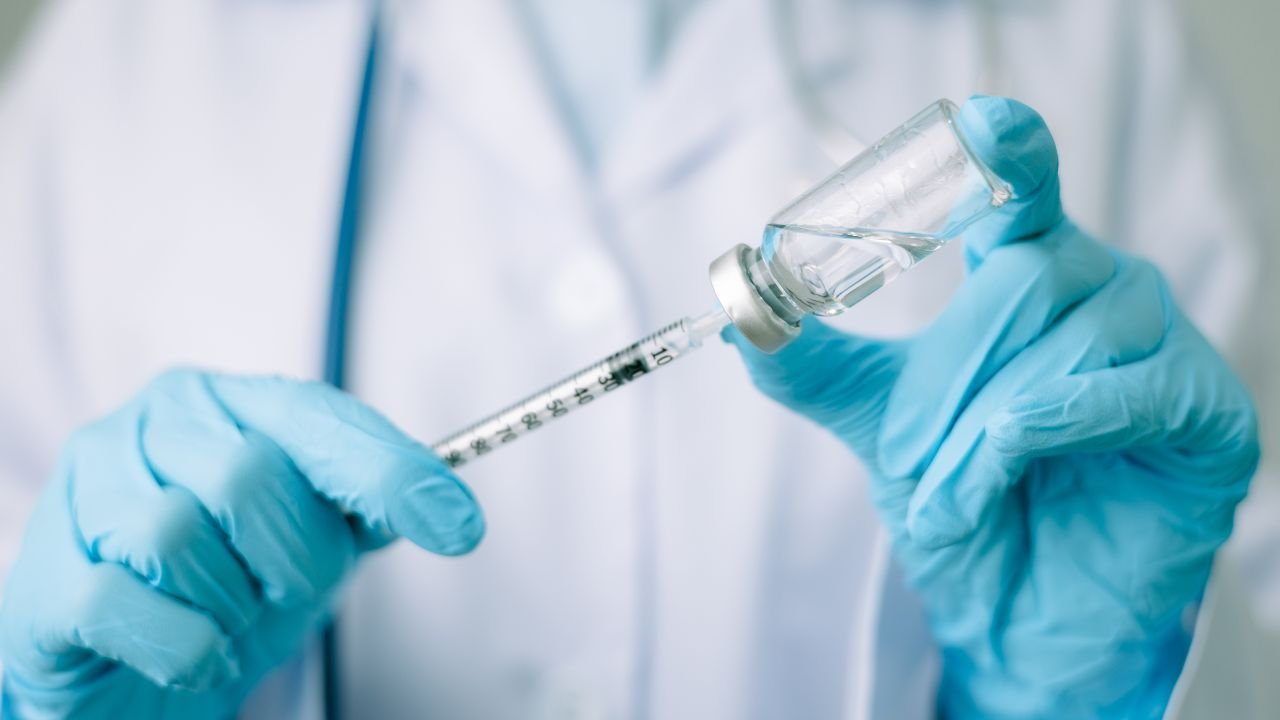
If you’re an active adult considering PRP therapy for chronic pain or sports injuries, you’re likely asking the most important question: when will I see results? Unlike cortisone injections that provide rapid but temporary relief, PRP therapy works by supporting your body’s natural healing processes, which means results take time. Understanding the realistic PRP therapy timeline helps you make an informed decision and maintain realistic expectations throughout your recovery journey.
For golfers dealing with persistent elbow pain, pickleball players sidelined by knee soreness, or professionals struggling with chronic back pain that limits their quality of life, the appeal of PRP is clear: it addresses root-cause tissue damage rather than masking pain signals. But it requires patience, preparation, and commitment to a rehabilitation protocol to deliver its best results.
Most active adults see initial improvement from PRP therapy within 4-6 weeks, with peak effectiveness at 3-6 months. This timeline reflects your body’s natural healing response. PRP doesn’t mask symptoms; it supports tissue repair at the cellular level. Understanding this progression helps you set realistic expectations and plan your return to golf, hiking, or other activities you love.
Key Takeaways
- PRP therapy follows a predictable timeline: Most active adults see initial improvement at 4-6 weeks post-injection, with peak effectiveness occurring at 3-6 months as tissue regeneration progresses.
- Long-term success rates are strong: Clinical studies demonstrate a 60-80% success rate for chronic tendinopathy and mild-moderate osteoarthritis, with superior sustained results compared to cortisone at 6 and 12 months.
- The treatment is minimally invasive with low risk: Because PRP uses your own biological material, serious complications are extremely rare; the most common side effect is temporary soreness lasting 2-7 days.
- Post-treatment compliance significantly impacts outcomes: Avoiding NSAIDs before and after treatment, following physical therapy protocols, and maintaining proper nutrition during the healing window are critical for optimal results.
- PRP works best as part of a comprehensive approach: Combining PRP with physical therapy, proper rehabilitation, and lifestyle modifications maximizes tissue healing and helps active adults return to golf, hiking, tennis, and other activities they love.
What Is PRP Therapy And How Does It Work?
PRP (Platelet-Rich Plasma) therapy concentrates platelets from your own blood to 5-10 times above baseline levels. When injected into injured tissue, these concentrated platelets release growth factors, including PDGF, VEGF, and TGF-β, that support cell proliferation, collagen synthesis, and new blood vessel formation. This process actively promotes tissue repair rather than simply suppressing pain signals.
The procedure begins with a simple blood draw. Your blood is processed in a centrifuge to separate and concentrate the platelet-rich layer, which is then injected into the targeted injury site using ultrasound or fluoroscopy guidance for precision. Because PRP is derived from your own blood (autologous), the risk of rejection or systemic reaction is extremely low. The entire process, from blood draw to injection, typically takes under an hour, and most patients return to light activity the next day.
At Integrated Spine, Pain & Wellness, PRP is one of several regenerative options tailored to the specific needs of active adults in Scottsdale who want to heal, not just manage, chronic pain and sports injuries. Dr. Ashu Goyle uses advanced ultrasound and fluoroscopy guidance for all injections, ensuring precise delivery to the affected tissue for optimal outcomes.
What Are The Benefits Of PRP Therapy For Active Adults?
PRP therapy offers active adults a minimally invasive path to healing that works with the body rather than masking its signals. Clinical data shows 60-80% of patients experience long-term improvement in chronic tendinopathy and osteoarthritis, with superior sustained results compared to cortisone at 6 and 12 months.
Primary benefits include:
- Stimulates cell proliferation and collagen synthesis for structural tissue repair
- Reduces chronic inflammation by addressing underlying processes, not just symptoms
- Carries minimal risk because it uses your own biological material
- Avoids surgery and the extensive recovery periods that come with it
- Provides long-lasting relief, many patients see durable results lasting 1-2+ years
PRP is particularly effective for chronic tendinopathy (conditions lasting more than 3 months) and mild-to-moderate osteoarthritis in the knee, shoulder, hip, and elbow. For patients who have only found temporary relief from cortisone, PRP addresses the underlying tissue damage rather than the pain signal.
Choose PRP if you have a chronic tendon or joint condition lasting more than 3 months, want to avoid surgery, and are willing to follow a 3-6 month healing protocol. Consider cortisone first if you need rapid relief for acute inflammation.
What Is The Realistic Timeline For PRP Therapy To Take Effect?
PRP therapy follows a predictable healing progression. Here’s what most active adults can expect:
Week 1-2: Initial inflammatory phase. This is a normal and expected part of the process. Concentrated platelets activate your body’s healing cascade, which can cause temporary soreness, mild swelling, and stiffness at the injection site. These side effects typically resolve within 3-7 days.
Weeks 4-6: Noticeable improvement begins. Most patients report meaningful reduction in pain and improved function during this window as tissue regeneration progresses.
Months 3-6: Peak effectiveness. This is when the full benefits of PRP are realized as collagen remodeling and structural tissue repair reach their peak.
6-12 months and beyond: Sustained results. Clinical trials demonstrate PRP’s superiority over cortisone at the 6 and 12-month marks, with many patients maintaining improvement for 1-2+ years.
Factors that influence how quickly you respond:
- Condition severity: More advanced degeneration may require the full 3-6 months for peak results
- Chronicity: Injuries lasting more than 3 months respond well but may trend toward the 6-month end of the timeline
- Age: Younger adults (25-40) may see initial improvement closer to 4 weeks; older adults (55-70+) typically follow the standard timeline but achieve comparable long-term success rates
- Post-treatment compliance: Following rehabilitation protocols significantly impacts both speed and quality of recovery
- Number of sessions: Some conditions benefit from 2-3 injections spaced 4-6 weeks apart
For patients considering joint injections as part of their care plan, your provider can help determine whether a single PRP session or a series is most appropriate for your specific condition.
What Can Active Adults Expect Immediately After PRP Therapy?
The first 1-2 weeks after injection involve an expected inflammatory response. This is a normal part of the regenerative process, not a sign that something is wrong.
Common side effects and typical duration:
- Injection site soreness: 2-7 days (most common)
- Localized swelling: 3-5 days
- Mild to moderate discomfort: peaks days 1-3, subsides within a week
- Bruising: 7-10 days if it occurs
- Temporary stiffness: resolves within the first week
Serious complications are extremely rare because PRP uses autologous material. Infection risk is below 1% due to sterile technique.
Post-treatment care checklist:
- Rest the treated area and avoid strenuous activity for 48-72 hours
- Apply ice for 15-20 minutes, 3-4 times daily for the first 2-3 days
- Avoid NSAIDs (ibuprofen, aspirin, naproxen) for 1-2 weeks post-treatment, these interfere with the healing cascade
- Stay well-hydrated to support cellular repair
- Avoid alcohol for 48-72 hours post-injection
- Follow any movement restrictions provided by your care team
- Attend all follow-up appointments
For a complete walkthrough of what to expect during your PRP procedure, including day-of preparation and post-care specifics, see our patient guide.
What Can Active Adults Expect In The Long-Term From PRP Therapy?
Long-term outcomes for PRP show sustained relief lasting 1-2+ years for many patients. The key distinction between PRP and cortisone becomes most apparent at the 6 and 12-month marks, where clinical trials consistently demonstrate PRP’s advantage.
Long-term outcomes by condition:
- Chronic tendinopathy (tennis elbow, golfer’s elbow, patellar tendon): Initial improvement at 4-6 weeks; peak effectiveness at 3-6 months; sustained results at 12+ months
- Mild-to-moderate osteoarthritis (knee, shoulder, hip): Gradual improvement beginning 4-6 weeks; peak relief at 3-6 months; superior to cortisone at 12-month mark
- Ligament injuries: Progressive strengthening over 3-6 months with proper rehabilitation
- Muscle strains: Faster recovery compared to tendons; noticeable improvement by 4-6 weeks
Are results permanent? Many patients experience durable improvement lasting 1-2+ years from a single series. Some with ongoing degenerative conditions may benefit from periodic maintenance treatments. Unlike repeated cortisone injections, which can weaken tendons and degrade cartilage with frequent use, additional PRP sessions carry minimal risk because the treatment is autologous.
Lifestyle factors also influence how long results last. Maintaining a healthy weight, correcting biomechanical issues through physical therapy, and making appropriate activity modifications all help extend the benefits of PRP.
Can PRP Therapy Improve Athletic Performance And Recovery?
PRP is a popular choice among active adults who want to return to sport without surgery. Weekend warriors, golfers, pickleball players, and recreational athletes in Scottsdale commonly use PRP to address chronic overuse injuries while maintaining their active lifestyle. Because the treatment is minimally invasive and requires only 48-72 hours of rest before returning to light activity, it fits naturally into the busy schedules of health-conscious professionals and active retirees.
It’s worth noting that PRP doesn’t directly enhance athletic performance beyond what normal, healthy tissue allows. What it does is restore normal function in damaged tissue, which for most active adults means getting back to the sport or activity they were enjoying before pain intervened. That distinction matters: the goal is healing to baseline, not performance enhancement beyond it.
Common conditions treated in active adults:
- Golfer’s elbow and tennis elbow (lateral/medial epicondylitis)
- Rotator cuff tendinopathy and partial tears
- Patellar tendinopathy (jumper’s knee)
- Plantar fasciitis
- Mild-to-moderate knee osteoarthritis
- Hip flexor and Achilles tendon injuries
Estimated return-to-activity timeline:
| Injury Type | Light Activity | Full Activity |
| Minor muscle strains | 6-8 weeks | 8-12 weeks |
| Chronic tendinopathy | 8-12 weeks | 12-24 weeks |
| Mild-moderate joint OA | 8-12 weeks | Variable |
| Ligament sprains | 8-10 weeks | 12-16 weeks |
These timelines assume proper rehabilitation protocols are followed. Return to full activity is gradual and guided by symptom progression, not a fixed calendar.
How does PRP compare to other options?
- vs. Cortisone: Cortisone provides faster relief (24-48 hours) but is temporary and can degrade tissue with repeated use. PRP requires patience but delivers superior sustained results at 6 and 12 months.
- vs. Physical therapy alone: PT is essential as a complement to PRP but does not provide the same regenerative stimulus for chronic tendon or joint conditions.
- vs. Surgery: PRP is minimally invasive with 48-72 hours of downtime vs. weeks to months of surgical recovery. For appropriate candidates, PRP can help avoid surgery altogether.
What Risks Should Active Adults Consider Before Getting PRP Therapy?
PRP therapy carries a minimal risk profile because it uses your own biological material. Unlike cortisone injections, which can weaken tendons, degrade cartilage, and elevate blood sugar with repeated use, PRP is pro-regenerative and does not carry risks of tissue breakdown. The most common side effect is temporary soreness lasting 2-7 days. Serious complications are extremely rare.
Potential side effects:
- Temporary soreness and swelling at the injection site (expected, resolves in 1 week)
- Minor bruising (7-10 days if it occurs)
- Temporary pain flare during the initial inflammatory phase (weeks 1-2)
- Infection risk below 1% due to sterile technique and autologous nature
Who should not receive PRP therapy:
- Active local or systemic infection
- Blood disorders affecting platelet function (thrombocytopenia, clotting disorders)
- Active malignancy (requires oncologist clearance)
- Pregnancy (generally avoided as a precaution)
- Severely immunocompromised patients (requires careful evaluation)
If you take blood thinners or have any of the above conditions, discuss these with your provider before your consultation. Most active adults in good general health are excellent candidates for PRP therapy with minimal concern for complications.
How Can Active Adults Maximize The Effectiveness Of PRP Therapy?
Post-treatment compliance is one of the most significant factors influencing PRP outcomes. The quality of your results is shaped not just by the injection itself, but by what you do in the weeks before and the months after. Two actions matter most: avoiding NSAIDs before and after treatment, and committing to physical therapy during the 3-6 month healing window.
Many patients unknowingly undermine their PRP results by reaching for over-the-counter anti-inflammatories for post-treatment discomfort. While the soreness is real and uncomfortable, it’s also a sign that the healing cascade is active. Suppressing it with NSAIDs can blunt the very response you paid for.
Before your treatment:
- Stop NSAIDs (ibuprofen, aspirin, naproxen) 7-10 days before injection, these medications inhibit platelet function and reduce PRP effectiveness
- Discontinue blood thinners if medically safe (consult your physician first)
- Stay well-hydrated; proper hydration improves blood quality and platelet concentration
- Avoid alcohol 48-72 hours before the procedure
- Disclose all supplements and medications to your provider
After your treatment, rehabilitation phases:
- Phase 1 (Days 1-7): Rest and protection. Minimize stress on the treated area; gentle range-of-motion only.
- Phase 2 (Weeks 2-4): Early mobility. Light stretching and low-impact movement.
- Phase 3 (Weeks 4-8): Progressive strengthening under physical therapist guidance.
- Phase 4 (Weeks 8-12): Functional training with sport-specific or activity-specific movements.
- Phase 5 (3-6 months): Gradual return to full activity as symptoms allow.
Nutritional support: Adequate protein intake supports tissue regeneration. Omega-3 fatty acids promote an anti-inflammatory environment without blocking the healing cascade. Ensure adequate Vitamin D levels, which play a role in musculoskeletal repair. Avoid NSAIDs post-treatment; acetaminophen (Tylenol) can be used for pain management without interfering with platelet activity.
Collagen supplements may also support connective tissue repair, discuss timing with your provider to coordinate them appropriately with your injection schedule.
What Other Treatment Options Can Complement PRP Therapy For Active Adults?
PRP works best as part of a comprehensive treatment approach, not as a standalone solution. The most successful outcomes typically combine PRP with targeted physical therapy, appropriate nutritional support, and in some cases, additional regenerative modalities. For patients with more severe degeneration, BMAC (Bone Marrow Aspirate Concentrate) stem cell therapy may offer greater regenerative potential.
PRP vs. BMAC , when to consider each:
Choose PRP if: You have chronic tendinopathy or mild-to-moderate osteoarthritis, want a well-established and cost-effective regenerative option ($500-$1,500 per series in Scottsdale), and your condition does not involve severe, advanced tissue degeneration.
Choose BMAC when: You have more advanced joint degeneration, have not achieved sufficient results from PRP alone, or your provider determines that a more robust regenerative stimulus is needed. BMAC involves a bone marrow harvest and typically costs $3,000-$8,000 in the Scottsdale market. It offers greater potential for structural repair in cases where PRP’s growth factors alone may be insufficient. Both PRP and BMAC are autologous, derived from your own biological material, which means neither carries the risks of foreign tissue rejection.
The role of physical therapy: PT is not optional, it’s essential. The growth factors released by PRP create a window of enhanced healing that physical therapy helps direct toward functional movement patterns. Without guided rehabilitation, that healing potential can result in disorganized tissue repair rather than properly aligned, functional collagen.
Begin PT 1-2 weeks post-injection once initial inflammation subsides. A qualified therapist will guide tissue remodeling, correct the biomechanical issues that contributed to your injury, and establish a maintenance program to prevent recurrence. Typically 1-2 sessions per week during weeks 2-12.
At ISPW, Dr. Goyle coordinates care with a network of elite physical therapists and integrative practitioners to support every phase of the healing process, from injection through full return to activity.
Is PRP Therapy Right For You As An Active Adult?
PRP therapy offers active adults a regenerative path forward for chronic pain and sports injuries. It’s best suited for chronic tendinopathy lasting more than 3 months and mild-to-moderate osteoarthritis, conditions where cortisone has provided only temporary relief and surgery feels premature.
The investment requires patience. Improvement begins at 4-6 weeks, peak effectiveness arrives at 3-6 months, and long-term results are superior to cortisone at 6 and 12 months. With a 60-80% long-term success rate and minimal risk profile, PRP is a compelling option for active adults who want to heal from the inside out rather than mask their pain.
Is PRP right for you? Use this framework:
Choose PRP if:
- You have chronic tendinopathy or mild-to-moderate osteoarthritis (>3 months duration)
- Cortisone has provided only temporary relief
- You want to avoid surgery and long recovery periods
- You can commit to the 3-6 month healing and rehabilitation timeline
- You’re willing to invest in an out-of-pocket treatment ($500-$1,500 per series)
Consider alternatives when:
- You need immediate pain relief (cortisone provides faster results)
- You have severe, advanced joint degeneration (BMAC or surgery may be more appropriate)
- You have a blood disorder, active infection, or active malignancy
- You cannot avoid NSAIDs post-treatment
Most active adults begin noticing improvement 4-6 weeks after PRP injection, with peak effectiveness at 3-6 months. The initial 1-2 weeks involve a normal inflammatory response. Clinical studies show a 60-80% long-term success rate, with results sustained at 6 and 12 months, outcomes that consistently outperform cortisone’s temporary effects.
Ready to explore whether PRP therapy is right for your chronic pain or sports injury? Contact Integrated Spine, Pain & Wellness to schedule a consultation with Dr. Ashu Goyle and discover how you can get Scottsdale pain relief with regenerative medicine and return to the active lifestyle you love.


