
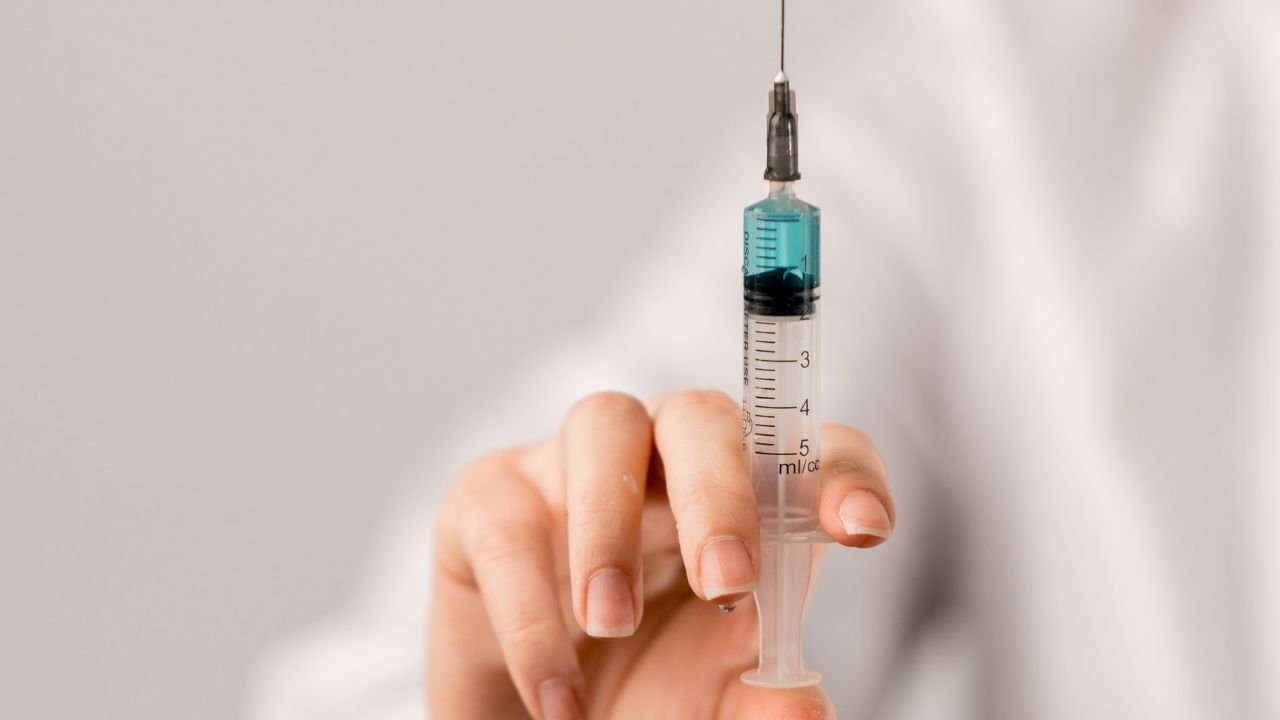
You’ve tried rest, physical therapy, and over-the-counter pain medication, but your knee still aches after every round of golf. Your shoulder restricts your backhand on the pickleball court. Your lower back pain keeps you from the weekend hikes you love. When conservative treatments fail to deliver lasting relief, your physician likely mentions injections. But which type?
The answer matters more than most active patients in Scottsdale realize. Cortisone shots offer rapid symptom relief but come with significant long-term risks. PRP therapy takes longer to work but addresses the root cause of tissue damage. Understanding the fundamental differences between these two approaches helps you make an informed decision aligned with your long-term health goals, not just your immediate pain levels.
Key Takeaways
- PRP therapy uses your own blood platelets concentrated 5-10 times higher than baseline to stimulate tissue regeneration, while cortisone shots provide temporary anti-inflammatory relief
- PRP shows 60-80% success rates for long-term improvement in chronic conditions, with peak effectiveness at 3-6 months and sustained results beyond 12 months
- Cortisone delivers rapid relief within 24-48 hours but carries risks of tendon weakening and cartilage degradation with repeated use
- Active patients in Scottsdale should choose PRP for chronic tendinopathy and long-term healing goals, cortisone for acute injuries requiring immediate relief
- Clinical trials demonstrate PRP’s superiority over cortisone at 6-month and 12-month follow-up marks for chronic pain management
What Are PRP And Cortisone Shots?
When chronic joint pain limits your golf game or weekend hikes, injections often become part of the conversation for active patients in Scottsdale. Two primary options exist: platelet-rich plasma (PRP) therapy and cortisone shots. These treatments take fundamentally different approaches, one works to suppress inflammation temporarily, while the other stimulates your body’s natural healing processes. Understanding how each works helps you make informed decisions about your pain management care.
What Is Platelet-Rich Plasma (PRP)?
PRP concentrates platelets from your own blood to levels 5-10 times higher than baseline. When injected into injured tissue, these concentrated platelets release growth factors including Platelet-Derived Growth Factor (PDGF), Vascular Endothelial Growth Factor (VEGF), and Transforming Growth Factor-beta (TGF-β). These growth factors stimulate cell proliferation, collagen synthesis, and angiogenesis, the formation of new blood vessels.
PRP is a pro-regenerative therapy that actively promotes tissue repair and regeneration over time, using your body’s own biological material to address the root cause of injury.
What Is A Cortisone Shot?
Cortisone is a synthetic corticosteroid that acts as a potent anti-inflammatory agent. It provides temporary relief by suppressing key inflammatory pathways in the affected joint or tissue. While effective for short-term symptom management, cortisone does not contribute to tissue healing. With repeated use, cortisone can have a catabolic effect, potentially weakening tendons and cartilage over time. This makes cortisone shots a temporary solution rather than a long-term healing strategy.
How Do PRP And Cortisone Shots Differ?
PRP and cortisone represent opposite treatment philosophies. PRP takes a regenerative approach, while cortisone focuses on inflammation suppression. The differences extend beyond mechanism of action to include onset speed, duration of results, tissue effects, and ideal use cases. Understanding these distinctions helps active Scottsdale patients align treatment choices with their long-term health goals.
What Is The Mechanism Of Action For PRP?
PRP operates on a pro-regenerative principle. By concentrating platelets 5-10 times higher than baseline levels, PRP delivers multiple growth factors that orchestrate tissue repair. These growth factors stimulate cell proliferation, collagen synthesis, and angiogenesis, the formation of new blood vessels that improve nutrient delivery.
PRP addresses the root cause of injury by facilitating your body’s natural healing processes rather than masking symptoms. This approach makes PRP particularly effective for chronic conditions where tissue damage has accumulated over time.
How Do Cortisone Shots Work To Reduce Pain?
Cortisone operates on an anti-inflammatory principle, the opposite of PRP’s regenerative approach. It suppresses inflammatory pathways to deliver rapid symptom relief, typically within 24-48 hours. Studies show a 70-80% short-term success rate for cortisone injections. However, effects are temporary, usually lasting only a few weeks to a few months.
Cortisone does not contribute to actual tissue healing or repair, it simply reduces the inflammatory response that causes pain. This makes cortisone effective for acute situations but less suitable for long-term healing.
What Are The Key Differences Between PRP And Cortisone Shots?
| Feature | PRP Therapy | Cortisone Shots |
| Treatment Mechanism | Pro-regenerative; concentrates platelets 5-10x baseline to release growth factors | Anti-inflammatory; synthetic corticosteroid that suppresses inflammation |
| Speed of Action | Gradual onset; initial improvement at 4-6 weeks | Rapid relief within 24-48 hours |
| Duration of Relief | Long-term healing; peak effectiveness at 3-6 months, sustained beyond 12 months | Short-term relief; effects last a few weeks to a few months |
| Success Rate | 60-80% success rate for long-term improvement in chronic tendinopathy and osteoarthritis | 70-80% short-term success rate |
| Cost in Scottsdale | $500-$1,500 per series (out-of-pocket) | Almost always covered by insurance |
| Recovery Time | 2-7 days temporary soreness at injection site; gradual healing over 3-6 months | Minimal immediate recovery; can return to activity quickly |
| Side Effects | Very low risk; temporary soreness (2-7 days); uses patient’s own biological material | Tendon weakening/rupture, cartilage degradation, elevated blood sugar, immune suppression, decreased bone density (with repeated use) |
| Tissue Effect | Actively promotes tissue repair and regeneration | Catabolic effect; can weaken tendons and cartilage with repeated use |
| Best Use Case | Chronic tendinopathy (>3 months), mild-moderate osteoarthritis, long-term healing goals | Acute inflammation, pre-surgical pain, short-term relief needs |
What Are The Benefits Of PRP Injections For Active Scottsdale Patients?
Active individuals need treatments that restore function, not just mask symptoms. PRP therapy aligns with this goal by addressing tissue damage at its source. For Scottsdale golfers, hikers, and fitness enthusiasts, PRP offers a path back to full activity without the tissue-degrading effects of repeated cortisone injections.
How Does PRP Help With Tissue Regeneration and Healing?
PRP actively promotes tissue repair through multiple growth factors, PDGF, VEGF, and TGF-β. These growth factors stimulate collagen synthesis for structural tissue repair and promote angiogenesis to improve nutrient delivery to damaged areas. Because PRP uses your own biological material, rejection risk is minimal. Clinical trials demonstrate PRP’s superiority over cortisone in providing sustained results at the 6 and 12-month marks, making it the preferred choice for patients seeking long-term healing rather than temporary symptom suppression.
Is PRP Effective For Long-Term Pain Relief?
PRP shows a 60-80% success rate for long-term improvement in chronic tendinopathy and osteoarthritis. Peak effectiveness typically occurs at 3-6 months post-injection, with sustained results demonstrated beyond 12 months in clinical studies. This makes PRP superior to cortisone at 6-month and 12-month follow-up marks. PRP addresses root causes of chronic pain rather than masking symptoms, making it ideal for chronic conditions lasting more than 3 months. For active patients committed to long-term joint health, PRP offers a regenerative solution that supports tissue integrity over time.
What Are The Benefits Of Cortisone Shots For Active Scottsdale Patients?
Cortisone shots serve a specific purpose in pain management, rapid symptom relief when inflammation peaks. For acute injuries or when immediate function is critical, cortisone provides fast, effective inflammation suppression. Understanding when cortisone is the right choice helps active patients use this tool strategically without compromising long-term joint health.
How Does Cortisone Provide Immediate Pain Relief?
Cortisone delivers rapid pain relief, often within 24-48 hours of injection. This speed comes from its potent suppression of inflammatory pathways, the biological processes that cause swelling, pain, and restricted movement. Studies show a 70-80% short-term success rate for cortisone injections, making them highly effective for acute inflammation scenarios.
When immediate relief is the priority, such as before an important event or to reduce severe acute inflammation, cortisone’s rapid action provides clear benefits.
What Are The Short-Term Benefits Of Cortisone Injections?
- Quick pain relief: 24-48 hours onset
- Reduced inflammation: Powerful anti-inflammatory action suppresses swelling
- Faster return to activity: Rapid symptom relief allows quicker function restoration for acute injuries
- Improved joint mobility: Short-term inflammation reduction restores range of motion
- Insurance coverage: Almost always covered, making it a cost-effective immediate option
- 70-80% short-term success rate: High probability of rapid symptom improvement
- Minimal immediate recovery: Little to no downtime required after injection
What Are The Risks Associated With PRP Therapy?
PRP carries a very low-risk profile because it uses your own biological material. The most common side effect is temporary soreness at the injection site for 2-7 days. Because PRP is an autologous treatment, derived from your own blood, there is minimal risk of rejection or allergic reaction. The initial inflammatory response is normal and part of the healing process. Rare risks include infection and bleeding, which are standard risks for any injection procedure.
What Are The Risks Of Cortisone Shots?
- Tendon weakening or rupture: Especially with repeated injections, cortisone can compromise tendon integrity
- Cartilage degradation: Multiple injections over time can break down cartilage tissue
- Elevated blood sugar levels: Systemic effect particularly concerning for diabetic patients
- Immune suppression: Can reduce immune system function temporarily
- Decreased bone density: Repeated use may contribute to bone weakening
- Skin thinning: Can occur at the injection site with multiple injections
- Infection risk: Standard injection risk applies
- Catabolic tissue effect: Repeated use breaks down rather than builds up tissue
- Less suitable for diabetics: Blood sugar elevation makes cortisone problematic for diabetic individuals
- Immunocompromised concerns: Immune suppression increases risk for those with weakened immune systems
When Should Active Scottsdale Patients Choose PRP Over Cortisone Shots?
Active patients seeking long-term joint health benefit most from PRP’s regenerative approach. When the goal is healing rather than temporary symptom relief, PRP offers superior outcomes. Understanding when PRP is the right choice helps patients invest in treatments that align with their long-term activity goals.
Is PRP Ideal For Chronic Conditions?
PRP shows a 60-80% success rate for long-term improvement in chronic tendinopathy lasting more than 3 months, mild-moderate osteoarthritis, and ligament tears. Clinical studies demonstrate superior sustained results at 6-month and 12-month marks compared to cortisone.
PRP addresses root causes rather than masking symptoms, making it ideal for patients seeking long-term healing instead of temporary relief. For chronic conditions where repeated cortisone injections would risk tendon weakening, PRP offers a regenerative alternative that supports tissue integrity over time.
When Should Athletes Choose PRP For Recovery?
- Chronic soft tissue injuries: Tendinopathy lasting more than 3 months
- Tendon and ligament repair: Conditions requiring structural tissue regeneration
- Long-term joint health: Active individuals managing ongoing joint stress
- Non-surgical recovery: Athletes wanting to avoid surgical treatments and lengthy rehabilitation
- Tissue regeneration goals: When the objective is healing, not just symptom suppression
- Mild-moderate osteoarthritis: Athletes seeking to delay or avoid surgery
- Avoiding tendon weakening: Conditions where repeated cortisone would compromise tissue strength
- Long-term investment: Patients willing to wait 3-6 months for peak effectiveness and sustained results
When Should Active Scottsdale Patients Choose Cortisone Shots Over PRP?
Cortisone serves specific clinical situations where rapid relief outweighs long-term regeneration concerns. Acute injuries, pre-surgical planning, and insurance limitations make cortisone the appropriate choice in certain scenarios. Knowing when cortisone is the right tool prevents overuse while leveraging its strengths strategically.
Is Cortisone More Suitable For Acute Injuries?
Cortisone shows a 70-80% short-term success rate for acute conditions. Rapid relief within 24-48 hours makes it ideal for acute flare-ups requiring immediate symptom management. Cortisone is effective for pre-surgical pain management when surgery is already planned. It works best for situations requiring immediate return to function and when the injury is truly acute, recent onset, not chronic.
For sudden inflammation that needs quick resolution, cortisone’s anti-inflammatory power provides clear advantages over PRP’s slower regenerative timeline.
When Is Cortisone A Better Short-Term Pain Solution?
- Acute sports injuries: Recent strains or sprains requiring rapid intervention
- Acute inflammation: Sudden flare-ups needing immediate symptom relief
- Pre-surgical pain management: When surgery is planned and temporary relief is needed
- Overuse swelling: Acute inflammation from overtraining requiring quick resolution
- Limited range of motion: Joint restriction needing immediate improvement
- Insurance coverage priority: When out-of-pocket cost is prohibitive (cortisone almost always covered)
- Time-sensitive situations: Cannot wait 4-6 weeks for PRP to take effect
- Temporary bridge: Relief needed before making definitive treatment decision
What Are The Costs Of PRP And Cortisone Shots In Scottsdale?
Treatment costs influence decision-making for many Scottsdale patients. Understanding the financial differences between PRP and cortisone, including insurance coverage and long-term cost perspectives, helps patients make informed choices aligned with their budget and healing goals.
What Is The Average Cost Of PRP Injections In Scottsdale?
| Cost Component | Price Range |
| PRP Series Cost (Scottsdale) | $500 – $1,500 per series |
| Insurance Coverage | Typically NOT covered (out-of-pocket expense) |
| Payment Method | Cash-pay, health savings accounts, payment plans |
| 5-Year Cost Perspective | Can be cost-effective vs. repeated temporary fixes or surgery when viewed over multi-year horizon |
While cortisone is almost always covered by insurance, regenerative therapies like PRP are typically paid out-of-pocket. When viewed over a multi-year horizon, PRP can be cost-effective compared to escalating costs of repeated cortisone injections, ongoing pain medication, or major surgery with lengthy rehabilitation.
How Much Do Cortisone Shots Typically Cost In Scottsdale?
| Cost Component | Details |
| Insurance Coverage | Almost always covered by insurance |
| Out-of-Pocket Cost (if no insurance) | Significantly lower than PRP per injection |
| Long-Term Cost | Repeated injections can accumulate costs over time, especially if effects only last weeks to months |
| Insurance Considerations | Most insurance plans cover cortisone for medically necessary conditions |
How Long Does It Take To Recover From PRP And Cortisone Shots?
Recovery timelines differ significantly between PRP and cortisone. PRP follows a gradual healing trajectory, while cortisone provides rapid but temporary relief. Understanding these timelines helps active patients plan their return to sport and set realistic expectations for treatment outcomes.
How Long Does It Take To Recover After PRP Therapy?
PRP follows a phased healing timeline. The initial phase involves an inflammatory response, normal and expected as part of the regenerative process. Days 1-7 bring temporary soreness at the injection site, typically lasting 2-7 days. Weeks 4-6 mark when noticeable improvement begins. Months 3-6 represent peak effectiveness for most patients. Beyond 6 months, sustained results are demonstrated in clinical studies.
The timeline is influenced by age, overall health, severity of condition, and adherence to post-treatment protocols. Active patients should plan for gradual improvement rather than immediate relief.
What Is The Recovery Timeline After A Cortisone Shot?
- 24-48 hours: Rapid pain relief onset
- Week 1-2: Peak anti-inflammatory effect with maximum inflammation reduction
- Few weeks to few months: Full effect duration (temporary relief period)
- After effects wear off: May require repeat injection if underlying condition not resolved
- Minimal immediate recovery: Can typically return to activity quickly after injection
Can PRP And Cortisone Shots Be Used Together For Active Patients?
Combining PRP and cortisone requires careful consideration of their opposing mechanisms. While both are joint injection therapies, they work in fundamentally different ways, one suppresses inflammation while the other relies on inflammation for healing. Understanding when and how these treatments can be sequenced helps active patients avoid interference while maximizing benefits.
Is It Safe To Combine PRP And Cortisone Injections?
Generally, cortisone and PRP are not administered simultaneously due to their opposing mechanisms. Cortisone’s anti-inflammatory action can interfere with PRP’s pro-regenerative inflammatory phase. Some protocols use cortisone first for acute flare-up management, followed by PRP after inflammation settles.
Sequencing and timing are critical if using both therapies, the treatments must be spaced appropriately to avoid cortisone suppressing the inflammatory response that PRP requires for tissue regeneration.
What Are The Potential Benefits Of Combining PRP And Cortisone Shots?
- Phased approach: Cortisone first for immediate relief, then PRP for long-term healing (if properly sequenced)
- Managing acute flare-ups: Addressing sudden inflammation while treating chronic underlying condition
- Comprehensive treatment plan: Combining short-term symptom management with long-term regenerative goals
- Caution required: Must be carefully timed and supervised by specialist to avoid interfering mechanisms
What Should Active Scottsdale Patients Know Before Their Injection Appointment?
Preparation affects outcomes. Understanding what to expect, from initial responses to full recovery timelines, helps active patients plan their return to sport and maintain realistic expectations. Each treatment requires different preparation and post-injection considerations.
How To Prepare For A PRP Injection?
Expect an initial inflammatory response, this is normal and part of the healing process. Plan for 2-7 days of temporary soreness at the injection site. The timeline to results requires patience: 4-6 weeks for initial improvement, 3-6 months for peak effectiveness. Factors affecting outcomes include age and overall health, severity of condition, adherence to post-treatment protocols, and activity modifications during the healing phase.
Be prepared for out-of-pocket cost, typically $500-$1,500 per series in Scottsdale. Patient commitment is required for the full 3-6 month healing process, PRP is not a quick fix but a long-term healing strategy.
How To Prepare For A Cortisone Shot?
Expect rapid relief within 24-48 hours of injection. Effects are temporary, lasting a few weeks to a few months. Insurance typically covers treatment, making it accessible for most patients. Minimal recovery time means you can usually return to activity quickly. Understand the risks with repeated injections, tendon weakening and cartilage degradation make frequent use problematic.
Cortisone is not recommended for repeated use due to catabolic effects on tissue. Special considerations apply: diabetics should monitor blood sugar levels closely after injection, and immunocompromised individuals should discuss risks with their physician before treatment.
Making The Right Choice For Your Active Lifestyle
The choice between PRP and cortisone depends on your specific condition, timeline, and goals. Both treatments have clear roles in pain management, understanding when each is appropriate helps active Scottsdale patients make informed decisions aligned with their long-term health.
PRP Or Cortisone: Which Is Best For Your Needs?
Choose PRP if:
- You have chronic tendinopathy lasting more than 3 months
- You have mild-moderate osteoarthritis
- You seek long-term healing, not temporary relief
- You can commit to a 3-6 month recovery timeline
- You’re willing to invest out-of-pocket ($500-$1,500 in Scottsdale)
- You want to address the root cause of injury
- You want a 60-80% success rate for sustained improvement
- You’re concerned about risks of repeated cortisone (tendon weakening)
Choose Cortisone if:
- You have acute inflammation requiring rapid relief (24-48 hours)
- You need pre-surgical pain management
- You require immediate return to activity
- You prefer insurance-covered treatment
- You need short-term relief (weeks to months)
- You have an acute injury, not a chronic condition
- You’re seeking a 70-80% short-term success rate
Clinical trials demonstrate PRP’s superiority over cortisone at 6-month and 12-month follow-up marks for chronic conditions. PRP operates on a pro-regenerative principle; cortisone on an anti-inflammatory principle. PRP has a very low risk profile using your own biological material, while cortisone carries significant risks with repeated use including tissue degradation.
Contact A Scottsdale Specialist For Personalized Recommendations
Choosing the right treatment requires careful evaluation of your condition’s acuity and severity, lifestyle and activity goals, financial considerations, and timeline expectations. There is no one-size-fits-all solution. Consultation with a regenerative medicine specialist can help determine the optimal approach for your specific situation. For active adults in Scottsdale seeking a long-term solution addressing the underlying cause of pain, PRP offers a powerful, evidence-backed option. While PRP requires patience and out-of-pocket investment, the potential for sustained healing makes it a compelling choice for those committed to long-term joint health and active living.
Ready to explore regenerative medicine for lasting pain relief? Schedule your consultation with Dr. Goyle to discuss whether PRP therapy is right for your active lifestyle.


