
Key Takeaways
- Cortisone provides temporary relief — Effects typically last weeks to months, often leading to repeated injections with cumulative risks including cartilage degradation and tendon weakening.
- Regenokine uses your own blood — This autologous therapy concentrates anti-inflammatory proteins (IL-1Ra) to support the body’s natural healing response rather than suppress immune function.
- Duration differs significantly — Regenokine is designed to support the body’s healing response over a longer timeframe, potentially reducing total injection frequency.
- Safety profiles favor autologous treatments — Regenokine carries no rejection risk and avoids the systemic side effects associated with repeated steroid use.
- Arizona has one Regenokine provider — Dr. Ashu Goyle at Integrated Spine, Pain & Wellness in Scottsdale is the only physician in the state offering this therapy.
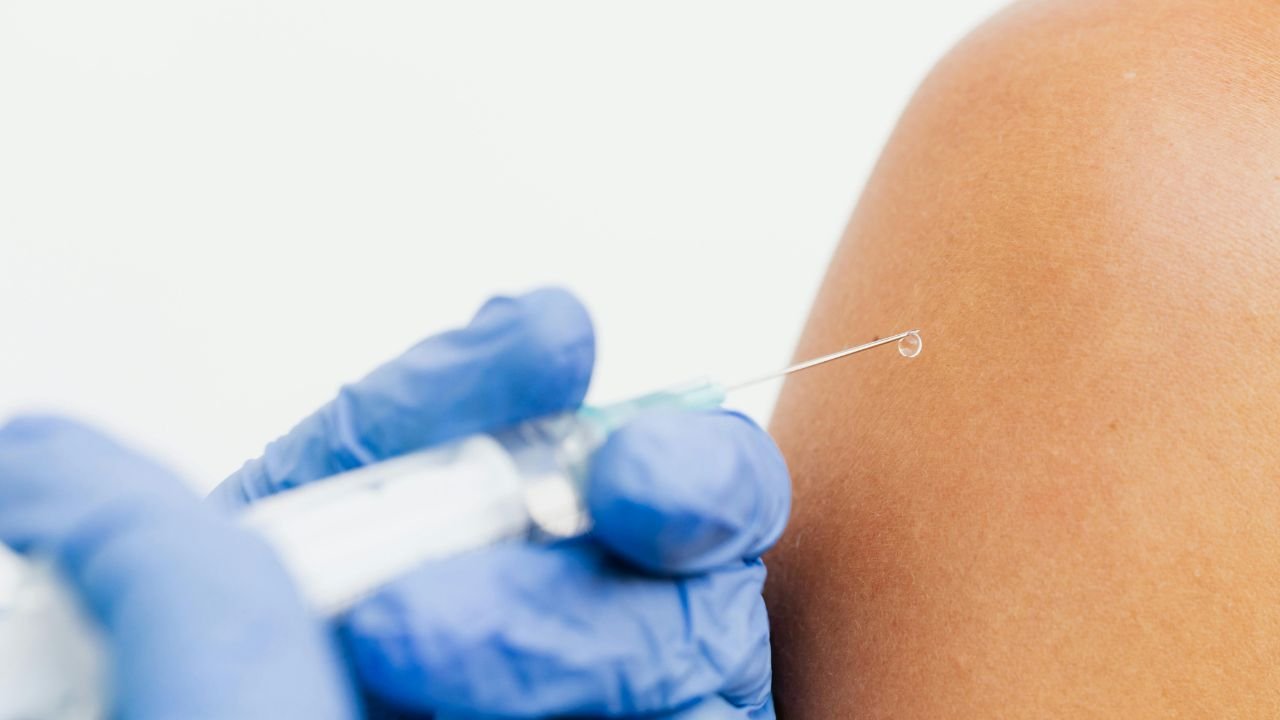
Cortisone injections offer fast relief—but what happens when the effects wear off and you’re back for another shot? For patients caught in this cycle, Regenokine therapy presents an alternative approach. This guide covers how Regenokine works, how it compares to steroids, and who may be a candidate.
Why Do Cortisone Injections Require Repeated Use For Ongoing Joint Pain Management?
Cortisone offers fast relief but doesn’t address the root cause of joint pain. This creates a cycle of repeated injections—prompting many patients to explore cortisone alternatives like Regenokine therapy.
How Do Cortisone Injections Temporarily Reduce Inflammation Without Supporting Long-Term Joint Health?
Cortisone suppresses inflammation but doesn’t support healing. These synthetic steroids block the immune response at the injection site, providing relief that typically lasts a few weeks to a few months. However, by suppressing inflammation, corticosteroids also inhibit the body’s natural repair processes. The joint feels better temporarily, but the underlying condition remains.
Why Can Reliance On Steroids Lead Patients To Seek Cortisone Alternatives?
Repeated cortisone use carries documented risks. Research has raised concerns about repeated cortisone use, including potential effects on cartilage and joint health over time. Additional risks include tendon weakening, infection, elevated blood sugar, weight gain, and bone density loss. Many experts now recommend limiting cortisone injections per joint—driving interest in regenerative medicine for long-term joint pain management.
When Do Patients Begin Questioning Repeated Injections As A Sustainable Approach?
Patients often reconsider when relief becomes shorter-lived. The cycle is predictable: injection, temporary improvement, return of pain, repeat. Each round carries cumulative risk. When effectiveness diminishes and concerns about joint health grow, patients begin researching reduced injections strategies—including Regenokine therapy and other regenerative options designed to support the body’s healing response.
What Is Regenokine Therapy And How Does It Fit Within Regenerative Medicine?
Regenokine therapy represents a different approach to joint pain management. Rather than suppressing symptoms, it uses your body’s own biology to support natural healing processes.
How Is Regenokine Therapy Created Using The Patient’s Own Blood Components?
Regenokine starts with a simple blood draw. The blood undergoes specialized processing to concentrate anti-inflammatory proteins and growth factors into what’s called Autologous Conditioned Serum (ACS). This serum is then injected into the affected joint. A typical protocol involves 3–6 injections over 1–2 weeks. Everything used comes from the patient’s own body—nothing synthetic, nothing from donors.
Why Is Regenokine Therapy Often Discussed As A Regenerative Medicine Option Rather Than A Steroid?
The mechanism differs fundamentally from cortisone. Regenokine concentrates Interleukin-1 Receptor Antagonist (IL-1Ra), a naturally occurring protein that blocks IL-1—a key inflammatory cytokine involved in cartilage breakdown. While steroids suppress immune function broadly, Regenokine targets specific inflammatory pathways while supporting the body’s healing response. This positions it among cortisone alternatives in regenerative medicine.
How Does Regenokine Differ In Intent From Conventional Joint Pain Management Methods?
Regenokine aims to rebalance joint inflammation and support tissue repair—not mask symptoms. It uses 100% autologous materials, eliminating rejection risk and third-party product concerns. Compared to PRP therapy (which delivers growth factors for tissue repair), Regenokine focuses specifically on blocking inflammatory cytokines through IL-1Ra. Both are autologous options, but their mechanisms address different aspects of joint health.
How Many Cortisone Shots May Be Avoided With Regenokine?
The answer varies by patient. However, the potential for longer-lasting relief means fewer trips back for repeat injections—a primary reason patients explore this cortisone alternative.
Why Do Patients Explore Regenokine After Experiencing A Cycle Of Repeated Injections?
Many patients turn to Regenokine after growing frustrated with the cortisone cycle. The non-invasive nature and strong safety profile appeal to those concerned about long-term steroid risks. Patients often report improved ability to return to activities they had given up.
How Does Regenokine Align With Goals For Reduced Injections Over Time?
Duration is one reason patients explore alternatives. Cortisone typically provides relief lasting weeks to months, which is why many patients find themselves returning for repeat injections. Regenokine is designed to support the body’s healing response over a longer timeframe, and many patients have reported extended periods between treatments.
What Factors Influence Whether Regenokine May Support Reduced Ongoing Cortisone Use?
Results depend on several variables. Condition severity, the specific joint affected, and overall health all play a role. Regenokine is most commonly considered for osteoarthritis, tendonitis, chronic inflammation, and sports-related injuries. Patients should expect results to develop over several weeks as the body’s healing processes activate—this isn’t instant relief like cortisone, but the goal is longer-term joint pain management.
How Does Regenokine Compare To Steroid Injections For Reduced Injections Over Time?
Both address joint pain, but with fundamentally different objectives. Understanding these differences helps patients make informed decisions about their joint pain management approach.
How Do Treatment Objectives Differ Between Cortisone Injections And Regenokine Therapy?
Cortisone delivers rapid, potent short-term relief—ideal for acute flare-ups. Regenokine is designed to support the body’s natural healing processes for potentially longer-lasting results. The mechanisms differ significantly: cortisone broadly suppresses the immune and inflammatory response, while Regenokine blocks specific inflammatory cytokines while supporting tissue repair.
Why Is Regenokine Viewed As A Cortisone Alternative Rather Than A Short-Term Fix?
Safety profile matters for long-term planning. Regenokine carries low risk of side effects—typically just temporary injection site pain, swelling, or stiffness. Because it’s autologous, there’s no rejection risk. It also avoids the documented risks of repeated steroid use: cartilage damage, tendon rupture, and systemic effects.
How Do Patients Evaluate Joint Pain Management Options When Long-Term Relief Is The Priority?
Smart evaluation considers duration of relief, safety profile, mechanism of action, and alignment with long-term joint health goals. Regenokine has higher upfront costs and typically isn’t covered by insurance. However, the potential for longer-lasting relief may reduce total injection frequency over time. Hyaluronic acid offers another option but lacks the anti-inflammatory and regenerative potential of Regenokine therapy.
Is Regenokine Therapy Available At A Scottsdale Clinic And Who May Be A Candidate?
Access matters. Regenokine requires specialized expertise—and Arizona has exactly one provider.
Why Does Receiving Regenokine At A Specialized Scottsdale Clinic Matter?
Dr. Ashu Goyle is one of only 9 physicians in the United States offering Regenokine—and the only provider in Arizona. He is Cleveland Clinic fellowship-trained and double board-certified in Anesthesiology and Interventional Pain Management. Phoenix Magazine has named him a “Top Doc” consecutively from 2011–2025. Notably, the late Kobe Bryant used Regenokine to return to competition.
Who Typically Considers Regenokine Therapy Instead Of Continued Steroid Injections?
Candidates typically include patients with osteoarthritis, tendonitis, chronic joint inflammation, or sports-related injuries. Many have experienced diminishing returns from repeated cortisone injections or have concerns about long-term steroid risks. Active individuals seeking to maintain mobility often explore this cortisone alternative.
How Can A Personalized Evaluation Help Determine The Most Appropriate Next Step?
A board-certified specialist can provide accurate diagnosis and discuss all options. At Integrated Spine, Pain & Wellness, the approach is autologous-only—your own cells, no third-party products. Lifestyle factors like weight management and physical therapy are also considered. Realistic expectations matter: regenerative medicine isn’t a cure, but may provide significant, lasting support for joint health.
Schedule Your Regenokine Consultation At Integrated Spine, Pain & Wellness
Ready to discuss cortisone alternatives with Arizona’s only Regenokine provider? Dr. Goyle and the team at Integrated Spine, Pain & Wellness offer personalized evaluations to determine if Regenokine therapy aligns with your joint health goals. Contact our Scottsdale clinic today to schedule your consultation.


