
Key Takeaways
- Regenokine is a blood-based regenerative medicine therapy that uses your own blood to concentrate IL-1Ra, an anti-inflammatory protein that may help repair damaged tissue and support healing in arthritic joints.
- Only 9 physicians in the United States offer Regenokine therapy. Dr. Ashu Goyle at Integrated Spine, Pain, and Wellness is Arizona’s only certified provider.
- Benefits have been reported to last up to 2 years in some patients, making Regenokine distinct from temporary pain relief options like cortisone injections that may have diminishing returns.
- Ideal candidates have mild to moderate joint or spine conditions that haven’t responded to conservative treatments. Advanced, end-stage arthritis requiring joint replacement is not appropriate for this therapy.
- Response develops gradually over weeks to months as the concentrated anti-inflammatory proteins work to support joint regeneration. Best results occur when combined with physical therapy and lifestyle modifications.
Chronic joint pain from osteoarthritis affects millions, yet few know about Regenokine, one of the most exclusive regenerative medicine therapies available. With only nine certified providers nationwide and Dr. Ashu Goyle as Arizona’s sole practitioner, this blood-based treatment offers a unique approach to arthritic relief. Understanding how Regenokine works helps patients make informed decisions about joint regeneration options.
What Is Regenokine Therapy in Regenerative Medicine?
Regenokine therapy represents a specialized approach to joint regeneration using the body’s own healing mechanisms. This blood-based treatment concentrates anti-inflammatory proteins naturally present in your bloodstream to address chronic joint pain and inflammation.
What Makes Regenokine a Blood-Based Treatment Rather Than a Drug or Surgery?
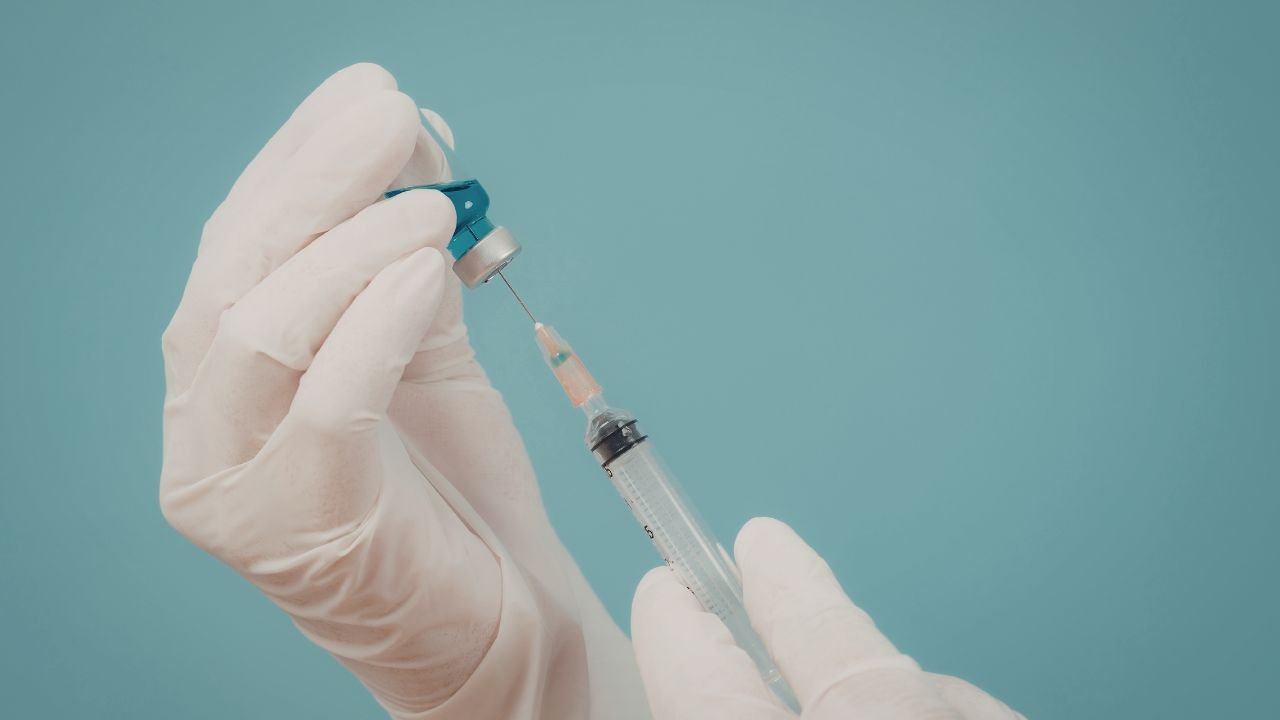
Regenokine is an Autologous Conditioned Serum (ACS) developed in Germany. The therapy uses only your own blood—no donor products, no third-party materials, no pharmaceutical drugs. Blood is drawn, incubated under controlled conditions, processed to concentrate beneficial proteins, and delivered back to you the same day. There’s no lab culturing or cell expansion involved. Because Regenokine uses your own biologics, there’s no rejection risk.
Why Is Regenokine Classified as an Advanced Regenerative Medicine Therapy?
This regenerative medicine therapy specifically targets Interleukin-1 Receptor Antagonist (IL-1Ra), a protein that modulates inflammatory responses in joints and soft tissues. During incubation, your blood produces concentrated levels of IL-1Ra while pro-inflammatory components are separated out. This targeted approach distinguishes Regenokine from broader anti-inflammatory treatments. The concentrated serum may help repair damaged tissue and support the body’s natural healing processes at the cellular level.
How Does Regenokine Work for Joint Pain?
Regenokine therapy addresses joint pain by targeting the inflammatory cascade at its molecular source. Rather than masking symptoms, this approach modulates the proteins driving chronic inflammation.
How Does Regenokine Target Inflammation Inside Arthritic Joints?
IL-1 (Interleukin-1) is a key inflammatory mediator contributing to cartilage breakdown in arthritic joints. Regenokine concentrates IL-1Ra (Interleukin-1 Receptor Antagonist), which acts as a natural blocker to IL-1, preventing it from binding to cellular receptors. This targeted mechanism differs from cortisone or other steroids that broadly suppress immune response. By addressing inflammation at its source, Regenokine may help support tissue repair without compromising the body’s overall immune function.
How Does Regenokine Support Joint Regeneration Instead of Temporary Pain Relief?
Regenokine therapy is designed to support the body’s natural healing processes rather than provide temporary symptom relief. Benefits have been reported to last up to 2 years in some patients. The concentrated serum may help repair damaged tissue and support healing at the cellular level. Response develops gradually over weeks to months—not days—as the anti-inflammatory proteins work to restore balance within the joint environment. This extended timeline reflects genuine tissue-level changes rather than short-term pain masking.
What Conditions Can Regenokine Therapy Treat?
Regenokine therapy focuses exclusively on musculoskeletal conditions affecting joints, spine, and soft tissues. This blood-based treatment has been studied primarily for inflammatory and degenerative joint conditions.
Can Regenokine Therapy Provide Arthritic Relief for Osteoarthritis?
Knee osteoarthritis is the most well-studied application of Regenokine therapy, with multiple clinical trials examining its effectiveness. Hip osteoarthritis has also shown clinical evidence suggesting benefit for managing pain and improving mobility. Patients with mild to moderate joint conditions typically respond best to this regenerative medicine approach. Regenokine is not appropriate for advanced, end-stage arthritis where joint replacement surgery is clearly indicated.
What Joint and Spine Conditions Respond Best to Regenokine Treatment?
Shoulder conditions—including rotator cuff tendinopathy and osteoarthritis—have been addressed with Regenokine therapy. Ankle, elbow, and wrist conditions such as tennis elbow (lateral epicondylitis) and tendonitis may also benefit. Chronic back pain from facet joint issues or degenerative disc disease responds to this approach, as does neck discomfort and lumbar radiculopathy (nerve root irritation in the lower back). Other musculoskeletal applications include tendonitis like Achilles tendonitis and enthesopathy, where tendons or ligaments attach to bone. All applications focus on supporting joint regeneration and tissue repair rather than temporary symptom management.
Why Is Regenokine Considered an Exclusive Joint Therapy in Arizona?
Regenokine therapy remains one of the most exclusive regenerative medicine treatments available in the United States. Strict licensing and proprietary protocols limit access to a select number of certified providers nationwide.
Why Is Regenokine Only Available at Select Specialized Medical Centers?
Only 9 physicians in the United States offer the Regenokine Program. Dr. Ashu Goyle is the only provider in Arizona. The proprietary protocol was developed in Germany by Orthogen AG and requires specific licensing agreements. Regenokine is not FDA-approved and is considered an “off-label” treatment in the U.S., which means it’s not covered by insurance. The therapy gained international attention when the late Kobe Bryant traveled to Germany in 2011 to address chronic knee pain. Arizona patients now have local access to this blood-based treatment without international travel.
How Do Strict Protocols and Physician Training Affect Regenokine Outcomes?
Physicians must complete specialized training and certification from the German parent company before being granted a license to use the proprietary technology. Dr. Goyle completed fellowship training at the Cleveland Clinic, one of the nation’s premier medical institutions. He is double board-certified in Anesthesiology and Interventional Pain Management and has been recognized as a Phoenix Magazine “Top Doc” from 2011-2025. His practice uses advanced image guidance—fluoroscopy or ultrasound—for precise delivery of the concentrated serum to affected joints. This precision ensures the therapy reaches target tissues for optimal arthritic relief and joint regeneration.
Who Is a Good Candidate for Regenokine Joint Regeneration Therapy?
Not every patient with joint pain is an appropriate candidate for Regenokine therapy. Dr. Goyle conducts comprehensive evaluations to determine candidacy based on condition severity, overall health, and treatment goals.
Can Regenokine Help Patients Avoid Surgery or Steroid Injections?
Ideal candidates have mild to moderate joint or spine conditions with chronic discomfort that hasn’t responded adequately to conservative treatments like physical therapy or medication. Patients interested in autologous approaches using their own biologics—rather than synthetic drugs or donor materials—may find this blood-based treatment appealing. Good overall health and realistic expectations about gradual improvement are essential. Unlike cortisone injections that broadly suppress inflammation with potentially diminishing returns over time, Regenokine specifically concentrates anti-inflammatory proteins (IL-1Ra) to support tissue repair and healing. This targeted approach may help patients seeking alternatives to repeated steroid injections or surgical intervention.
When Is Regenokine Therapy Not the Appropriate Treatment Option?
Regenokine is not appropriate for advanced, end-stage arthritis where joint replacement surgery is clearly indicated. Patients with active infections or certain blood disorders are not candidates. Those expecting immediate relief or guaranteed results should understand that regenerative medicine therapy works gradually over weeks to months. Regenokine addresses musculoskeletal conditions only—it does not address neurological, cardiovascular, or autoimmune conditions. Dr. Goyle provides honest consultations about candidacy to ensure patients pursue the most appropriate treatment path for their specific situation.
What Should Patients Expect Before and After Regenokine Therapy?
Understanding the Regenokine treatment process helps patients prepare for this regenerative medicine therapy. From initial consultation through follow-up care, each step focuses on personalized treatment and optimal outcomes.
How Is Regenokine Therapy Prepared and Administered?
The treatment begins with a comprehensive evaluation with Dr. Goyle, including medical history review and physical examination. Blood is then drawn from the patient and incubated under controlled conditions to concentrate IL-1Ra while separating pro-inflammatory components. The processed serum is delivered through a series of injections using advanced image guidance—fluoroscopy or ultrasound—for precise placement. Follow-up care includes progress monitoring and care plan adjustments as needed. This blood-based treatment uses only your own blood (autologous), eliminating rejection risk. Regenokine may be combined with other regenerative treatments as part of a comprehensive care approach for arthritic relief.
How Long Do Regenokine Results for Joint Pain Typically Last?
Response to Regenokine therapy develops gradually over weeks to months as the concentrated anti-inflammatory proteins support tissue repair. Benefits have been reported to persist for up to 2 years in some patients. Individual outcomes vary based on condition severity, overall health, and other factors. Regenokine is not a cure—it may help support joint health and tissue repair over time. Best results occur when combined with activity modification, physical therapy, and lifestyle factors. Patients should maintain realistic expectations about the gradual nature of joint regeneration rather than expecting immediate relief.
Experience Arizona’s Only Regenokine Provider
Dr. Ashu Goyle at Integrated Spine, Pain, and Wellness in Scottsdale is the only certified Regenokine provider in Arizona. If you’re seeking advanced regenerative medicine for chronic joint pain, schedule a consultation to determine if this exclusive blood-based treatment is appropriate for your condition. Discover an autologous approach to arthritic relief and joint regeneration.


