
Key Takeaways
- BMAC uses your own bone marrow cells: Harvested from the hip, concentrated through centrifugation, and injected into the affected shoulder tissue the same day. No third-party donor products or lab culturing.
- Structural benefits and symptom relief may vary: Research has examined BMAC for rotator cuff applications, with studies evaluating both imaging findings and patient-reported outcomes.
- Safety profile is favorable: Adverse events from bone marrow aspiration are rare, and research has not reported serious complications in clinical studies for shoulder injury treatment.
- Patients have sought BMAC for various conditions, Including rotator cuff tears, glenohumeral osteoarthritis, and those seeking non-surgical alternatives to steroid injections or surgical augmentation.
- Treatment remains investigational: The FDA has not approved BMAC for any orthopedic condition. Evidence quality varies, and individual response is unpredictable despite promising research.
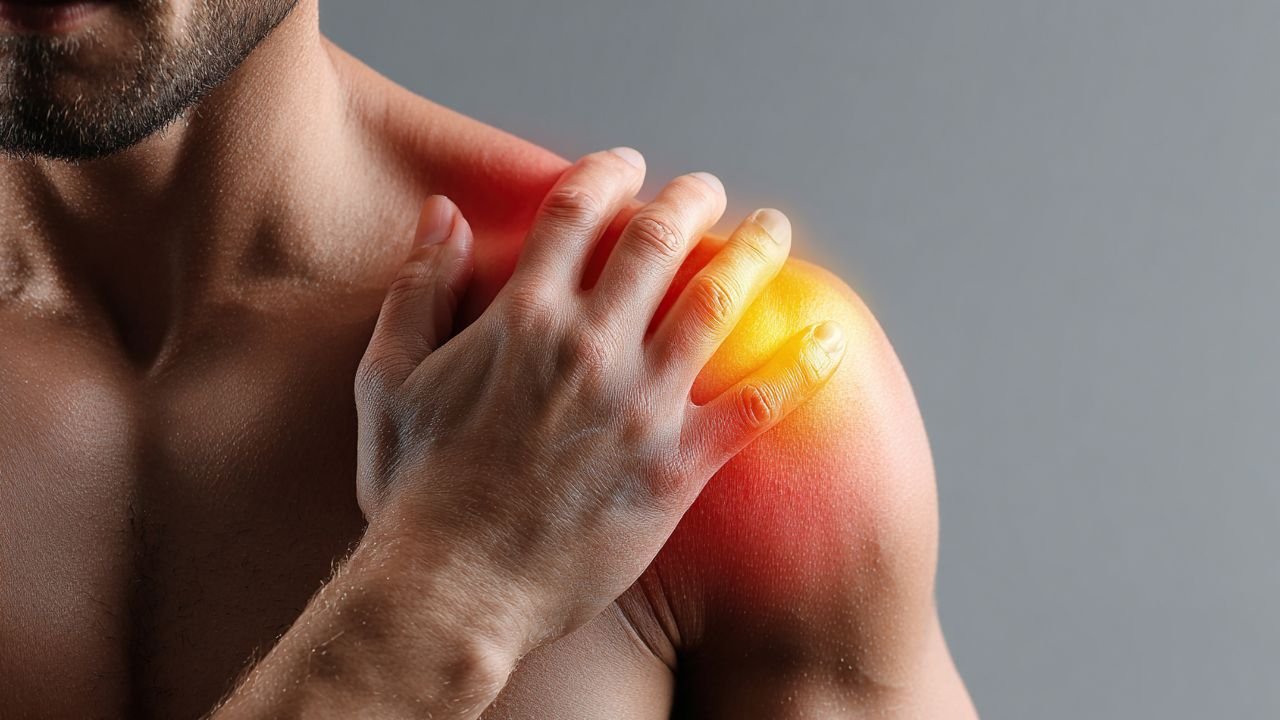
Shoulder injuries, including rotator cuff tears, chronic tendonitis, and degenerative joint damage, sideline athletes and limit daily function for active adults. Traditional treatments range from temporary steroid injections to invasive surgery, leaving a gap for patients seeking tissue-focused intervention. BMAC therapy uses bone marrow concentrate from your own body to support natural healing in affected shoulder tissue.
This regenerative medicine approach targets structural concerns rather than masking symptoms. Research has examined BMAC for shoulder injuries, with studies evaluating tissue response and clinical outcomes. Understanding how bone marrow concentrate works, what conditions may respond, and realistic expectations helps determine if this shoulder joint pain treatment fits your situation.
What is BMAC Therapy and How Does It Work for Shoulder Injuries?
BMAC therapy uses your own bone marrow cells to support healing in the affected shoulder tissue. This regenerative medicine approach concentrates healing cells from your body and delivers them directly to injured rotator cuff tendons, shoulder joints, and surrounding tissue. The treatment aims to reduce inflammation and support your body’s natural healing processes without surgery.
Bone Marrow Aspirate Concentrate (BMAC)
BMAC is an autologous orthobiologic, meaning it comes entirely from your own body. The concentrate contains mesenchymal stem cells (MSCs), platelets, and growth factors extracted from your bone marrow. Key growth factors include PDGF, TGF-β, VEGF, and various cytokines that play roles in tissue response. Unlike third-party products, BMAC uses only your cells, processed through centrifugation to increase concentration. This bone marrow concentrate delivers a higher density of healing components than exists naturally in blood.
The Process of Harvesting and Processing Bone Marrow
Bone marrow is typically harvested from the posterior iliac crest, the back of your hip bone. Adverse events from the aspiration procedure are rare, with uncommon complications including infection, bleeding, or needle breakage. After extraction, the bone marrow undergoes centrifugation to separate and concentrate the cellular components. The entire process, from harvest to injection, occurs during a single visit, ensuring maximum cell viability. You receive freshly concentrated cells from your own body the same day.
How BMAC Supports Natural Healing of Shoulder Injuries
BMAC therapy for shoulder injuries works through three primary mechanisms: immunomodulation, paracrine signaling, and structural augmentation. The concentrated cells may reduce inflammation at the injury site while releasing growth factors that stimulate local progenitor cells and promote angiogenesis, which is new blood vessel formation. This paracrine signaling may recruit additional cells necessary for tissue healing.
For rotator cuff and shoulder joint pain treatment, BMAC provides a cellular scaffold that may enhance tendon-to-bone healing quality. Rather than directly replacing tissue, the therapy creates an environment designed to support your body’s natural healing processes. This regenerative therapy approach addresses chronic shoulder pain by targeting the underlying tissue concerns, not just symptoms.
How is BMAC Therapy Used for Shoulder Injuries?
BMAC therapy targets structural concerns in rotator cuff tears, chronic tendonitis, and degenerative shoulder conditions. Athletes and active adults use this regenerative therapy to address tissue breakdown that limits performance and causes persistent pain. Treatment can be delivered as a standalone injection or combined with surgical procedures to support healing outcomes.
BMAC Therapy for Rotator Cuff Tears
Research has examined BMAC augmentation in patients with supraspinatus tears, the most common rotator cuff injury. Studies have evaluated both structural outcomes on imaging and patient-reported functional scores. BMAC for shoulder injuries may support structural integrity, though the relationship between tissue findings and perceived function continues to be studied.
This represents an important consideration for patients: imaging improvements and symptom relief do not always correspond directly. Some patients show tissue improvements while reporting similar pain levels, while others experience both structural and symptomatic benefits. Individual response variability means expectations should remain realistic.
Addressing Tendonitis with BMAC Therapy
For athletes with partial or full-thickness supraspinatus tears, bone marrow concentrate combined with PRP therapy has been examined in clinical research. Studies have evaluated healing evidence on imaging following treatment, as well as improvements in disability scores, pain levels, and shoulder function.
The combination approach, using BMAC plus platelet products, represents an emerging protocol for rotator cuff treatment. This dual-therapy approach delivers both cellular components and concentrated growth factors, potentially supporting more comprehensive tissue healing.
How BMAC Therapy May Help Chronic Shoulder Injuries
Research has examined bone marrow-based therapies for glenohumeral joint osteoarthritis. Studies have evaluated patient improvements in disability scores and pain measures compared to other injection options. Bone marrow-based therapies may offer different benefits than steroid injections for shoulder joint pain treatment in degenerative conditions, though evidence continues to evolve.
The Science Behind BMAC Therapy for Shoulder Pain
Understanding how bone marrow concentrate works helps explain its role in shoulder injury treatment. The therapy’s effectiveness depends on cellular signaling rather than direct tissue replacement. Growth factors and mesenchymal stem cells create an environment designed to support healing, though results vary between structural findings and symptom relief.
Bone Marrow Concentrate: Supporting Shoulder Tissue Healing
Mesenchymal stem cells (MSCs) in BMAC can theoretically differentiate into bone, cartilage, tendon, and ligament tissue. However, the primary mechanism is paracrine signaling, where cells modulate the local environment rather than directly becoming new tissue. This distinction matters because the number of true stem cells in available preparations is relatively small.
The powerful paracrine effect means MSCs release signaling molecules that influence surrounding cells and tissue. For rotator cuff treatment, this creates conditions that may support healing without the cells themselves becoming new tendon fibers. This explains how BMAC for shoulder injuries works differently from what traditional marketing suggests.
Growth Factors in BMAC Therapy
Bone marrow concentrate contains concentrations of PDGF, TGF-β, and VEGF, which are growth factors that may drive tissue response. These molecules may promote angiogenesis (new blood vessel formation) and cell proliferation at injury sites. For shoulder joint pain treatment, growth factors may modulate the inflammatory response, potentially shifting the joint from a degenerative to a healing-focused state.
The growth factors may help regulate the local microenvironment, potentially reducing catabolic processes that break down cartilage and tendon tissue. This reduction in tissue breakdown may contribute to pain relief, though the exact mechanisms linking growth factor activity to symptom improvement remain under investigation.
Comparing BMAC Therapy to Traditional Shoulder Pain Treatments
Traditional shoulder pain treatments range from medications and injections to physical therapy and surgery. BMAC offers a different approach, targeting tissue concerns rather than masking symptoms. Understanding how bone marrow concentrate compares to conventional options helps patients make informed decisions about shoulder injury treatment.
BMAC Vs. Steroid Injections
Research has examined bone marrow-based therapies compared to cortisone injections for shoulder conditions. Steroid injections provide temporary anti-inflammatory effects but do not address underlying tissue concerns. BMAC therapy aims to modify the joint environment itself, potentially offering a different benefit duration than corticosteroids.
For patients weighing regenerative medicine against repeated steroid injections, this mechanistic difference matters. Steroids reduce inflammation temporarily, while BMAC delivers cellular components designed to support the body’s natural healing processes.
BMAC Therapy as a Non-Surgical Option
Research has examined non-surgical BMAC combined with PRP therapy for rotator cuff tears. The percutaneous injection approach, delivered through skin without incisions, offers an alternative to surgical intervention for appropriate candidates.
Not every shoulder condition requires surgery, but many fall into a gap where conservative care is insufficient, and patients want to avoid operative intervention. BMAC fills this middle ground. For partial-thickness tears, chronic tendonitis, and early degenerative changes, bone marrow concentrate provides a tissue-focused intervention without the recovery demands and risks of surgery. Athletes and active adults particularly value maintaining training schedules while pursuing healing.
The Benefits of BMAC Therapy for Active Adults and Athletes
Athletes and active adults need shoulder treatments that restore performance, not just reduce pain. BMAC therapy offers potential advantages in tissue integrity and long-term joint preservation. However, benefits vary, and structural improvements do not always translate to proportional functional gains.
Supporting Shoulder Function After Sports Injuries
Research shows varied results on functional restoration with BMAC for shoulder injuries. Some studies have found that structural improvements on imaging do not always correspond to proportional improvements in functional scores. This gap between tissue healing and perceived function raises questions about what restoration means for individual patients.
Other research has demonstrated functional improvements when combining bone marrow concentrate with PRP therapy. The difference may lie in treatment protocols or patient selection factors. Athletes considering treatment should understand that better tissue structure does not guarantee better performance metrics, though many patients have reported meaningful improvements.
How PRP Therapy Complements BMAC for Shoulder Injuries
PRP therapy, which uses platelet-rich plasma from your own blood, may work synergistically with bone marrow concentrate in shoulder injury treatment. The combination delivers both cellular components and concentrated growth factors to affected tissue. Research suggests combined protocols may offer benefits for rotator cuff and chronic shoulder conditions.
Combining PRP and BMAC for Enhanced Healing
Research has examined the combination of BMAC plus PRP therapy for rotator cuff treatment. This combined approach delivers both immediate growth factor release (from PRP) and sustained cellular signaling (from BMAC). For shoulder injury treatment, this dual-action approach may support multiple phases of healing, though individual response varies.
The regenerative medicine rationale involves layering complementary mechanisms: BMAC provides cellular components and paracrine signaling, while PRP delivers an additional growth factor boost. For shoulder joint pain treatment, this combination creates a more robust biological environment than either therapy alone.
Is BMAC Therapy Right for Your Shoulder Injury?
Not every shoulder condition responds equally to bone marrow concentrate. Clinical research focuses on specific injury types and severity levels. Understanding which conditions have been studied helps patients and physicians determine if BMAC therapy fits the clinical picture.
Assessing Whether BMAC Therapy May Be Suitable
BMAC for shoulder injuries has been studied for supraspinatus tears, the most common rotator cuff pathology. Research has also examined bone marrow concentrate for glenohumeral osteoarthritis, showing potential benefits for degenerative joint conditions. High-grade partial and full-thickness rotator cuff tears represent another application where research has evaluated tissue response.
Shoulder injury treatment with BMAC typically targets structural concerns visible on MRI rather than vague shoulder pain without clear pathology. Potential candidates show definable tissue injury, such as torn tendons, cartilage concerns, or chronic tendonitis, where regenerative medicine approaches can address the underlying concern.
Safety Profile and Realistic Expectations
BMAC demonstrates a favorable safety profile in shoulder joint pain treatment. Research has not reported serious adverse events, and the therapy has not been associated with increased complication rates in rotator cuff procedures. Adverse events from the bone marrow aspiration procedure are rare.
Research suggests the therapy may support healing rates and functional outcomes, particularly when combined with PRP therapy. However, a critical consideration exists: structural benefits on imaging do not always translate to proportional clinical outcome improvements. Patients may show better tissue healing but similar pain and function scores. Additionally, variability in BMAC preparation methods makes predicting individual response challenging. Expectations must remain realistic.
Regulatory Status
BMAC is regulated by the FDA as a Human Cell, Tissue, and Cellular and Tissue-Based Product (HCT/P) under 21 CFR Part 1271. To be used without pre-market approval, it must meet criteria for minimal manipulation and homologous use. However, the FDA has not approved BMAC for the treatment of any orthopedic condition. Its use in shoulder applications is considered investigational or off-label.
This does not mean the therapy lacks value. It means expectations must align with current evidence. For appropriate candidates with structural shoulder concerns, bone marrow concentrate offers a tissue-focused intervention with demonstrated safety and potential benefits. Patients considering treatment should discuss their specific injury pattern, activity goals, and realistic outcomes with a qualified physician.
Schedule Your BMAC Consultation at Integrated Spine, Pain & Wellness
Discover if BMAC therapy can address your shoulder injury without surgery. At Integrated Spine, Pain & Wellness, Dr. Ashu Goyle offers autologous regenerative treatments using only your own cells, with no third-party products and no donor materials.
Dr. Goyle is Cleveland Clinic-trained and double board-certified in Anesthesiology and Interventional Pain Management. As a Phoenix Magazine Top Doc (2011-2025), he brings advanced expertise in regenerative medicine. Our concierge approach means extended appointments, personalized care, and treatment plans tailored to your specific condition and activity goals. Whether you are dealing with rotator cuff tears, chronic tendonitis, or shoulder joint concerns, we will evaluate if bone marrow concentrate fits your clinical picture. Contact Integrated Spine, Pain & Wellness in Scottsdale today to schedule your consultation.
Contact us today to schedule a comprehensive consultation and explore your options for long-term shoulder pain relief.


