
Key Takeaways
- Stem cell therapy repairs rather than masks. Unlike medications and cortisone injections that manage symptoms, stem cells address the underlying tissue damage causing your pain.
- Multiple healing mechanisms work simultaneously. Stem cells reduce inflammation, stimulate new blood vessel growth, prevent cell death, and differentiate into the specific tissue types your body needs.
- Recovery unfolds over months, not days. Initial relief appears within 2-4 weeks, substantial improvement occurs at 3-6 months, and full tissue maturation continues through 12 months.
- Autologous therapy carries minimal risk. Using your own cells virtually eliminates immune rejection. Most side effects are mild and resolve within days.
- Patient factors influence outcomes. Age, overall health, condition severity, lifestyle choices, and adherence to rehabilitation protocols all affect how well stem cell therapy works for you.
Stem cell therapy changes how medicine approaches pain and tissue damage. Rather than masking symptoms with medication or removing damaged tissue through surgery, this treatment harnesses your body’s own regenerative capacity.
The science is straightforward: stem cells can become the specific tissue types your body needs to heal. They reduce inflammation, stimulate new blood vessel growth, and orchestrate repair at the cellular level. For patients with chronic pain, joint degeneration, or soft tissue injuries, stem cell therapy offers something conventional treatments cannot—the potential for actual tissue regeneration rather than temporary relief.
What Is Stem Cell Therapy?
Stem cell therapy uses your body’s master cells to heal damaged tissue. Unlike treatments that mask symptoms, this approach repairs the source of the problem.
Stem Cell Therapy Harnesses Your Body’s Natural Repair System
Stem cells are undifferentiated cells capable of becoming specialized tissue. They possess two key properties: self-renewal and differentiation. Self-renewal lets them multiply. Differentiation lets them transform into muscle, nerve, cartilage, or other cell types your body needs.
When concentrated stem cells enter an injured area, they trigger multiple healing responses. They reduce inflammation, regulate immune activity, and stimulate new tissue growth. The goal is regeneration—not just pain relief.
Three Main Stem Cell Types Power Regenerative Treatments
Adult stem cells are the most common in clinical use. Found in bone marrow and fat tissue, they carry lower safety risks and decades of research backing. Their limitation: they only become certain cell types.
Embryonic stem cells can become any cell in the body. However, ethical concerns and tumor risk restrict their use. Induced pluripotent stem cells, developed in 2006, offer similar versatility without embryonic sourcing. They’re reprogrammed adult cells—patient-specific but complex to manufacture.
Doctors also distinguish by source. Autologous cells come from your own body, eliminating rejection risk. Allogeneic cells come from donors, offering immediate availability but requiring careful matching to prevent immune reactions.
How Does Stem Cell Therapy Work to Promote Healing in the Body?
Stem cells do more than replace damaged cells. They orchestrate a complex healing response through chemical signaling and direct tissue repair.
Stem Cells Create a Healing Environment Through Chemical Signaling
Most therapeutic benefits come from paracrine activity. Stem cells secrete growth factors, cytokines, and extracellular vesicles that transform the injury site into a regeneration zone.
These signals trigger angiogenesis—new blood vessel formation. Better blood supply means more oxygen and nutrients reach damaged tissue. Stem cells also exert anti-apoptotic effects, preventing nearby healthy cells from dying. Environmental cues then guide the stem cells to differentiate into whatever cell types the injury requires.
Stem Cells Become the Tissue Your Body Needs
Once at the injury site, stem cells transform into specific cell types. Cartilage damage triggers differentiation into chondrocytes. Bone injuries produce osteoblasts. Genetic signals and local conditions determine the outcome.
Stem cells also remodel the extracellular matrix—the structural scaffolding surrounding cells. This restructuring creates the framework for new tissue to integrate with existing structures.
Stem Cells Reduce Chronic Pain by Targeting Inflammation
Chronic pain often stems from persistent inflammation. Stem cells address this through immunomodulation, regulating immune responses that drive ongoing tissue damage.
They release anti-inflammatory proteins directly at injury sites, reducing swelling and pain. For conditions like degenerative disc disease, this dual action—suppressing inflammation while promoting regeneration—targets the root cause rather than masking symptoms.
What Are the Benefits of Healing with Stem Cells?
Stem cell therapy offers targeted repair for damaged joints, faster recovery timelines, and lasting relief for chronic conditions.
Stem Cells Repair Joints and Soft Tissue at the Source
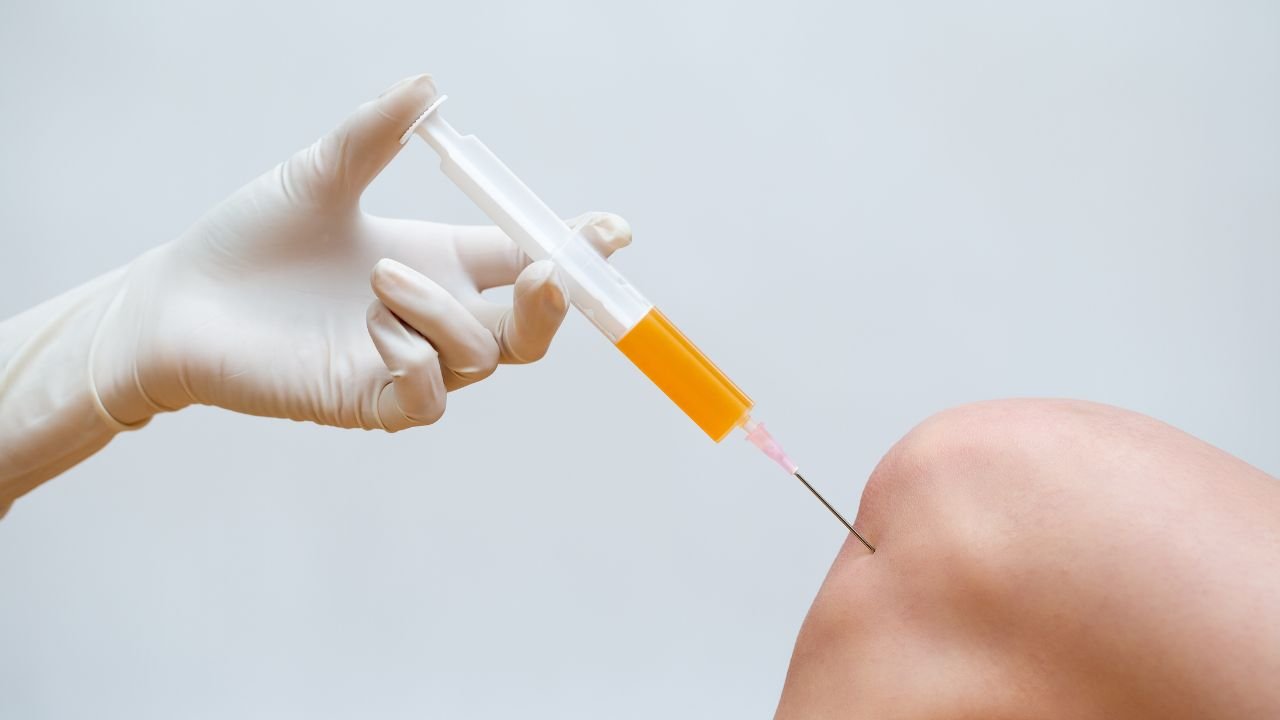
MSC injections show particular promise for osteoarthritis. They reduce inflammation and promote cartilage repair in knees, hips, and shoulders. Intra-articular injections deliver cells directly into the joint capsule for maximum effect.
Soft tissue injuries also respond well. Rotator cuff tears and Achilles tendinopathy heal with more organized, functional tissue. Rather than scar tissue, stem cells encourage regeneration that restores normal structure.
Stem Cell Recovery Follows a Predictable Timeline
Healing unfolds in three phases. During weeks two through four, inflammation decreases and initial pain relief begins. Stem cells start signaling repair mechanisms.
The active healing phase spans months three through six. This is when patients see the most substantial improvements in pain and function. Stem cells differentiate and promote new tissue growth. From months six through twelve, newly formed tissue matures and integrates with surrounding structures, producing sustained benefits.
Stem Cells Provide Lasting Relief for Chronic Conditions
Unlike symptom management, stem cell therapy addresses the underlying cause of pain and dysfunction. The benefits compound over time as tissue regenerates.
For severe autoimmune conditions like multiple sclerosis or Crohn’s disease, autologous HSCT can reset the immune system entirely. MSC infusions offer a less aggressive option, modulating immune response without full system reset.
How Does Stem Cell Therapy Compare to Other Treatments?
Stem cell therapy occupies a unique position between conventional medicine and other regenerative options. It offers repair potential that neither surgery nor PRP can match.
Stem Cell Therapy Addresses Root Causes While Surgery Manages Symptoms
Traditional treatments—medications, cortisone injections, surgery—focus on symptom control. Stem cell therapy targets the underlying damage.
The procedure itself is minimally invasive. Performed under local anesthesia on an outpatient basis, most patients return home the same day. Compare this to surgical interventions requiring general anesthesia, hospital stays, and extended recovery. One key difference: patients must avoid NSAIDs for several weeks post-treatment, as they interfere with stem cell healing mechanisms.
Stem Cells Outperform PRP Through Multiple Healing Mechanisms
PRP therapy delivers growth factors to injury sites. Stem cells do that and more. They self-renew, differentiate into specialized tissue, and trigger multiple repair pathways simultaneously.
Where PRP offers a single mechanism, stem cells provide immunomodulation, anti-inflammatory effects, angiogenesis, and anti-apoptotic protection. Most importantly, stem cells can generate actual new tissue. PRP supports healing; stem cells drive regeneration.
The Science Behind Stem Cell Therapy: How It Works at the Cellular Level
Understanding where stem cells come from and how they communicate reveals why this therapy produces lasting results.
Three Primary Sources Supply Stem Cells for Pain Treatment
Bone marrow-derived stem cells (BM-MSCs) come from the hip bone. They have the longest clinical track record and extensive research backing for osteoarthritis and degenerative disc disease.
Adipose-derived stem cells (ADSCs) are harvested through minimally invasive liposuction. Fat tissue yields abundant cells with easy extraction. Umbilical cord blood stem cells (UCB-MSCs) are more primitive with higher proliferative capacity. Their donor-based availability makes them ideal for allogeneic therapies requiring immediate use.
Stem Cells Direct Healing Through Molecular Messengers
Stem cells secrete bioactive molecules that orchestrate tissue repair. Growth factors stimulate local regeneration. Extracellular vesicles—tiny packets of genetic material and proteins—enable cell-to-cell communication.
This molecular signaling coordinates the healing response. Surrounding cells receive instructions to proliferate, migrate to injury sites, and contribute to tissue rebuilding.
Stem Cells Reduce Inflammation While Restoring Function
Cytokines released by stem cells modulate immune response and suppress chronic inflammation. As inflammation decreases, pain subsides and function improves.
This dual mechanism—immunomodulation plus tissue regeneration—produces both immediate relief and long-term functional gains. Patients experience symptom reduction while underlying damage repairs.
What Conditions Can Be Treated with Regenerative Medicine and Stem Cells?
Stem cell therapy, as a cornerstone of regenerative medicine, offers treatment for a wide array of conditions. From chronic pain management to musculoskeletal damage, and even emerging neurological applications, stem cell therapy addresses the root causes of these issues, promoting natural healing. Treatment methods vary by condition, but all aim to leverage the body’s regenerative abilities to restore function and alleviate pain.
Stem Cells Target the Source of Chronic Back and Nerve Pain
Degenerative disc disease responds to stem cell therapy through direct intervention. Intradiscal injection delivers cells into degenerated spinal discs, addressing the inflammation and tissue breakdown causing chronic back pain.
Neuropathic pain conditions are now under investigation. Early research explores how stem cells might repair or protect damaged nerve tissue.
Musculoskeletal Treatments Follow a Harvest-Process-Inject Protocol
Joint and tendon healing requires cells from your own body. Bone marrow aspiration uses a needle to draw material from the iliac crest at the back of the hip. Adipose collection involves mini-liposuction from the abdomen or flank.
Collected samples go to a laboratory for isolation, purification, and concentration. The processed cells then return via direct tissue injection into damaged tendons, ligaments, or joint structures.
Neurological Applications Show Early Promise
Spinal cord injury trials are exploring MSCs to reduce secondary inflammation and protect neural tissue. The anti-apoptotic effects of stem cells may prevent further cell death after initial trauma.
For systemic conditions or when broader distribution is needed, intravenous infusion delivers cells into the bloodstream. This approach suits neurological applications requiring widespread delivery rather than targeted injection.
What Are the Risks and Limitations of Stem Cell Therapy?
Stem cell therapy carries a favorable safety profile, particularly with autologous treatments. However, limitations exist and research continues.
Autologous Stem Cell Therapy Carries Minimal Risk
Using your own cells virtually eliminates immune rejection. Serious adverse events are rare. Most side effects relate to the injection itself: mild pain, soreness, or bruising at the site. Some patients experience temporary swelling, stiffness, low-grade fever, headache, or fatigue within the first 24-48 hours.
These symptoms typically resolve within days. Allogeneic therapy presents higher risk. Donor cells can trigger graft-versus-host disease (GVHD), requiring immunosuppressive medications to manage rejection.
The Field Continues to Evolve Since 1958
The first successful stem cell therapy—a bone marrow transplant for leukemia—occurred in 1958. Significant progress has followed, but limitations remain.
Embryonic and induced pluripotent stem cells carry teratoma risk. Autologous cell quality depends on patient age and health status—older or sicker patients may yield less robust cells. Allogeneic treatments require complex donor matching and manufacturing processes that add cost and logistical challenges. Research addresses these gaps, but standardized protocols are still developing.
The Future of Regenerative Medicine and Stem Cell Therapy
Stem cell science has accelerated rapidly over four decades. Current research points toward applications far beyond today’s treatments.
Key Breakthroughs Continue to Expand Treatment Possibilities
Mouse embryonic stem cells were isolated in 1981, human embryonic stem cells in 1998. The 2006 creation of induced pluripotent stem cells bypassed ethical concerns entirely by reprogramming adult cells to embryonic-like states.
Delivery precision has improved dramatically. Imaging guidance through ultrasound and fluoroscopy places cells exactly where needed. Allogeneic therapies now offer large-scale manufacturing potential with standardized quality—moving stem cell treatment from boutique procedures toward mainstream medicine.
Organ Regeneration Represents the Next Frontier
Pluripotent stem cells can become any cell type in the body. This versatility opens doors beyond orthopedic and pain management applications.
Research now explores treating broader degenerative conditions and organ damage. Heart tissue, liver cells, pancreatic function—areas currently dependent on transplants may eventually benefit from stem cell regeneration. The science is early but the trajectory is clear.
The Transformative Potential of Stem Cell Therapy for Healing and Recovery
Stem cell therapy represents a fundamental shift in treating pain and tissue damage. The focus moves from managing symptoms to repairing their source.
Stem Cells Offer What Traditional Treatments Cannot
This therapy combines multiple healing mechanisms in one intervention: paracrine signaling, immunomodulation, angiogenesis, anti-apoptotic effects, and matrix remodeling. No medication or surgery activates all these pathways simultaneously.
The procedure remains minimally invasive. Patients avoid the risks, downtime, and rehabilitation demands of traditional surgery while gaining access to genuine tissue regeneration.
Success Depends on Multiple Factors Within Your Control
Outcomes vary by individual. Age and overall health influence stem cell quality—younger, healthier patients typically see stronger results. Acute injuries respond faster than chronic, degenerative conditions that have progressed for years.
Treatment protocols matter. Adherence to post-procedure guidelines, structured physical therapy, and lifestyle factors like smoking cessation and proper nutrition all influence healing capacity. Stem cell therapy provides the biological tools; patient commitment determines how effectively they work.
Take the Next Step Toward Lasting Pain Relief
Chronic pain doesn’t have to control your life. Stem cell therapy offers a path to genuine healing—not just symptom management.
At Integrated Spine, Pain, and Wellness, our team specializes in regenerative treatments tailored to your specific condition. We evaluate your health, explain your options, and develop a personalized treatment plan designed for long-term results.
Whether you’re dealing with joint degeneration, disc disease, or soft tissue injuries, stem cell therapy may provide the relief you’ve been seeking.


