
Key Takeaways
- Gradual response, not instant relief. Bone marrow stem cell therapy isn’t a quick fix. The body’s response develops over weeks to months—this is supporting natural processes, not masking symptoms.
- Individual timelines vary significantly. Some patients notice changes within weeks; others take several months. Not everyone responds the same way, and outcomes depend on many factors.
- Your own cells, never donor products. At ISPW, we use only bone marrow stem cells (BMAC) harvested from your own body—no third-party donors, no umbilical cord products, no lab-cultured cells.
- Active participation matters. Following post-treatment guidelines, avoiding NSAIDs as directed, and engaging in appropriate physical therapy may support your recovery process.
- Patience is essential. Unlike cortisone injections that may provide quick temporary relief, bone marrow stem cell therapy works with your body’s natural processes, which take time to develop.
Understanding the Timeline for Bone Marrow Stem Cell Therapy
One of the most common questions patients ask is: “How long until I notice a difference?”
The honest answer: it depends, and it takes time.
Bone marrow stem cell therapy works differently than treatments designed for immediate symptom relief. Rather than masking discomfort, this approach delivers your own concentrated stem cells and growth factors to the treatment area, where they may support your body’s natural processes over time.
This guide provides realistic expectations for the recovery timeline, explains what influences individual responses, and offers guidance on supporting your body throughout the process.
How Bone Marrow Stem Cell Therapy Differs from Quick-Fix Treatments
Understanding why the timeline is gradual helps set appropriate expectations.
Traditional Pain Treatments:
- Cortisone injections may provide relief within days by suppressing inflammation
- Pain medications work within hours by blocking pain signals
- These approaches address symptoms but don’t influence underlying tissue
Bone Marrow Stem Cell Therapy:
- Delivers your own mesenchymal stem cells plus growth factors to the treatment area
- Works with your body’s natural biological processes
- Response develops gradually over weeks to months
- Aims to support the tissue environment rather than mask symptoms
This fundamental difference explains why patience is essential. You’re not waiting for a drug to take effect—you’re allowing time for biological processes to develop.
What We Use: Your Own Bone Marrow Cells
At Integrated Spine, Pain & Wellness, we use exclusively autologous bone marrow aspirate concentrate (BMAC). This means:
Your Own Cells:
- Harvested from your iliac crest (hip bone)
- Processed in our office the same day
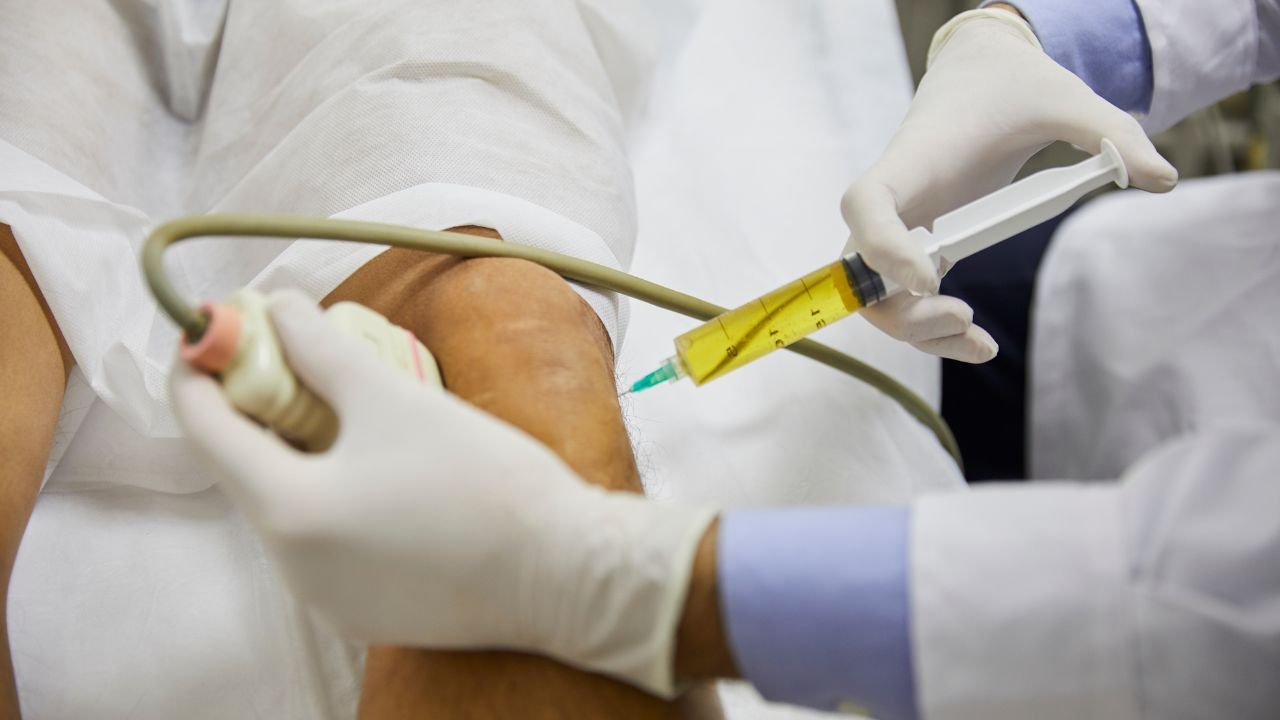
- Delivered to the treatment area using image guidance
What We Don’t Use:
- Adipose (fat) tissue-derived cells
- Umbilical cord blood or tissue products
- Amniotic fluid products
- Lab-cultured or expanded cells
- Third-party donor materials of any kind
- Third-party exosome products
This autologous approach means no rejection risk and you know exactly what you’re receiving. It also means the cells are fresh and viable—processed and delivered the same day, never stored or shipped.
The General Timeline: What Patients May Experience
While individual responses vary significantly, here’s a general framework for what the recovery process may look like:
Immediate Post-Procedure (First 24-72 Hours)
What to expect:
- Soreness at the bone marrow aspiration site (hip) is normal
- Some discomfort or swelling at the injection site
- Possible mild fatigue or low-grade discomfort
- These are normal responses to the procedure itself
What to do:
- Rest and limit activity as directed
- Apply ice to manage swelling if recommended
- Avoid anti-inflammatory medications (NSAIDs) as directed
- Follow all post-procedure instructions from Dr. Goyle
Early Weeks (Weeks 1-4)
What may happen:
- Initial procedure-related discomfort typically resolves
- Some patients report beginning to notice subtle changes
- The body’s biological response is developing beneath the surface
- This is not typically when major changes occur
What to do:
- Continue avoiding NSAIDs as directed
- Follow activity restrictions
- Begin physical therapy if prescribed
- Be patient—meaningful changes often come later
Developing Response (Months 1-3)
What may happen:
- Some patients begin noticing more meaningful changes during this period
- Gradual shifts in comfort levels or function may become apparent
- Individual timelines vary considerably
- Some patients notice changes earlier, others later
What to do:
- Continue with physical therapy and rehabilitation
- Gradually increase activity as directed
- Attend follow-up appointments
- Communicate with Dr. Goyle about your progress
Continued Response (Months 3-6)
What may happen:
- For many patients who respond to treatment, this is when the most noticeable changes occur
- Continued gradual response development
- Assessment of how well the treatment is working for you
What to do:
- Maintain appropriate activity levels
- Continue healthy lifestyle practices
- Discuss progress and any concerns at follow-up appointments
Longer-Term (Months 6-12+)
What may happen:
- Ongoing gradual response for some patients
- Evaluation of overall outcome
- Discussion of any additional treatment considerations
Critical Understanding:
These timeframes are general guidelines, not guarantees. Individual responses vary significantly based on:
- Your specific condition and its severity
- How much healthy tissue remains
- Your overall health and age
- Individual biological factors we cannot fully predict
- Adherence to post-treatment guidelines
Some patients experience meaningful improvement; others don’t notice significant changes. Dr. Goyle will monitor your progress and provide honest feedback about your response.
Factors That May Influence Your Individual Timeline
No two patients follow the same recovery path. Understanding what may influence your timeline helps set realistic expectations.
Your Condition and Its Severity
- Mild to moderate conditions with remaining healthy tissue may respond differently than advanced disease
- Acute vs. chronic: Newer issues may respond differently than long-standing conditions
- Location: Different joints and tissues have different characteristics
- Previous treatments: Your treatment history may influence response
Your Overall Health
- General physical condition
- Nutritional status
- Cardiovascular health
- Presence of other health conditions
- Medications you take
Age Considerations
- Younger patients may have different stem cell characteristics
- However, patients across age ranges have sought this treatment
- Age alone doesn’t determine candidacy or outcome
Lifestyle Factors
- Smoking may negatively impact biological processes
- Nutrition plays a role in how your body functions
- Activity levels and physical conditioning matter
- Sleep quality affects many body processes
Adherence to Post-Treatment Guidelines
- Following activity restrictions as directed
- Avoiding NSAIDs during the critical period
- Engaging in prescribed physical therapy
- Attending follow-up appointments
Why NSAID Avoidance Matters
One of the most important post-treatment guidelines is avoiding non-steroidal anti-inflammatory drugs (NSAIDs) like ibuprofen, naproxen, and aspirin for several weeks after treatment.
The Reasoning:
NSAIDs work by suppressing inflammatory processes. While this provides symptom relief, inflammation is also part of how your body responds to cellular signals. During the period when stem cells are establishing themselves in the treatment area, you want your body’s natural processes to proceed without pharmaceutical interference.
What This Means for You:
- Avoid ibuprofen (Advil, Motrin), naproxen (Aleve), and aspirin
- Tylenol (acetaminophen) is typically acceptable for discomfort
- Follow Dr. Goyle’s specific guidance on duration of avoidance
- If you take NSAIDs regularly for other conditions, discuss alternatives
This is one area where your active participation directly supports your treatment.
The Role of Physical Therapy
Structured rehabilitation often plays an important role in the recovery process.
Why Physical Therapy Matters:
- Helps maintain appropriate movement and range of motion
- Supports gradual return to activity
- Addresses movement patterns that may have developed due to pain
- Provides progressive loading appropriate to your healing timeline
Typical Progression:
- Early phase: Gentle range-of-motion exercises, avoiding stress on the treated area
- Progressive phase: Gradual strengthening as appropriate
- Later phase: Functional activities and return to normal movement
Dr. Goyle will provide guidance on when to begin physical therapy and what type of program is appropriate for your situation.
What Bone Marrow Stem Cell Therapy Cannot Do
Setting realistic expectations includes understanding limitations:
It Cannot:
- Guarantee specific outcomes or timelines
- Work for everyone—individual responses vary
- Reverse advanced, end-stage arthritis
- Regrow significant amounts of lost cartilage
- Replace joint replacement surgery when it’s clearly indicated
- Provide immediate relief like cortisone or pain medication
It May:
- Support your body’s natural processes in the treatment area
- Provide an option to explore before considering surgery
- Offer an approach using your own biological materials
- Be worth considering for appropriate candidates with realistic expectations
How This Compares to Other Treatments at ISPW
Bone marrow stem cell therapy is one option within our comprehensive approach. Understanding how different treatments work helps you make informed decisions.
Cortisone Injections
- Mechanism: Suppresses inflammation
- Timeline: May provide relief within days
- Duration: Typically weeks to months
- Note: We position steroid injections as short-term bridge treatments, not long-term solutions
Platelet-Rich Plasma (PRP)
- Source: Your own blood, concentrated same-day
- Mechanism: Delivers concentrated platelets and growth factors
- Timeline: Gradual response over weeks to months
- Note: Can be used alone or in combination with BMAC
Regenokine® (Autologous Conditioned Serum)
- Source: Your own blood, processed to concentrate anti-inflammatory proteins
- Mechanism: Delivers IL-1Ra and other anti-inflammatory proteins
- Timeline: Gradual response over weeks to months
- Note: Dr. Goyle is one of only 9 providers in the US—the only one in Arizona. The treatment Kobe Bryant used.
MLS M7 Class IV Laser Therapy
- Mechanism: Delivers light energy to support natural processes
- Timeline: Typically a series of treatments
- Note: Non-invasive, can complement regenerative injections
During your consultation, Dr. Goyle will discuss which approach—or combination—may be most appropriate for your situation and goals.
Supporting Your Body During Recovery
While you can’t control how your body responds biologically, you can create conditions that support the process.
Nutrition Considerations:
- Maintain adequate protein intake for tissue support
- Stay well-hydrated
- Consider anti-inflammatory foods (fish, vegetables, fruits, healthy fats)
- Minimize processed foods and excess sugar
- Discuss any specific supplements with Dr. Goyle
Lifestyle Factors:
- If you smoke, this is an excellent time to quit—smoking may negatively impact biological processes
- Prioritize quality sleep
- Manage stress levels
- Maintain appropriate activity levels as directed
Follow-Through:
- Attend all follow-up appointments
- Communicate honestly about your progress and any concerns
- Follow activity guidelines even when you start feeling better
- Complete your physical therapy program
When to Contact Our Office
During your recovery, contact us if you experience:
- Symptoms that worsen rather than gradually stabilize
- Signs of infection: increasing redness, warmth, swelling, or discharge
- Fever above 101°F
- Severe pain that isn’t improving
- Any symptoms that concern you
We’re here to support you throughout the process.
Why Choose Integrated Spine, Pain & Wellness
Cleveland Clinic Training
Dr. Ashu Goyle completed his fellowship at the Cleveland Clinic—one of the nation’s premier medical institutions. This training provided expertise in both interventional procedures and regenerative approaches.
Double Board Certification
Board-certified in both anesthesiology and interventional pain management, Dr. Goyle demonstrates advanced competency in precise, image-guided procedures.
Autologous-Only Philosophy
We use only your own biological materials—bone marrow stem cells (BMAC), PRP, and Regenokine®. No third-party donor products, no umbilical cord tissue, no commercial exosomes. You always know exactly what you’re receiving.
Exclusive Access
As one of only nine Regenokine® providers nationwide—and the only provider in Arizona—Dr. Goyle offers treatment options unavailable elsewhere in the state.
Image-Guided Precision
All injections are performed using fluoroscopy or ultrasound guidance to ensure accurate delivery.
Honest Expectations
We believe in transparent conversations about what treatments can and cannot do. We’ll set realistic expectations from your first consultation—not everyone is a candidate, and not everyone responds the same way.
Phoenix Magazine “Top Doc”
Dr. Goyle has been recognized as a Phoenix Magazine “Top Doc” from 2011-2020.
Is Bone Marrow Stem Cell Therapy Right for You?
The timeline and recovery process described here applies to appropriate candidates. Determining whether you’re a good candidate requires evaluation.
Characteristics of Potential Candidates:
- Musculoskeletal conditions (joint pain, back pain, soft tissue issues)
- Mild to moderate disease (not end-stage)
- Have tried conservative treatments without adequate relief
- Good overall health
- Willing to commit to the recovery process and follow guidelines
- Realistic expectations about gradual improvement and variable outcomes
Who May Not Be Good Candidates:
- Advanced, end-stage arthritis requiring joint replacement
- Those expecting guaranteed results or immediate relief
- Patients unable to follow post-treatment guidelines
- Certain health conditions (discussed during consultation)
Schedule Your Consultation
The best way to understand what timeline might be realistic for your situation is a consultation with Dr. Goyle.
During your consultation, we’ll:
- Review your condition, imaging, and medical history
- Discuss your symptoms, goals, and previous treatments
- Evaluate whether bone marrow stem cell therapy may be appropriate
- Explain what you might realistically expect for your specific situation
- Answer all your questions honestly
- Discuss alternatives if this approach isn’t right for you
Don’t let chronic pain limit your quality of life without exploring your options. Whether bone marrow stem cell therapy is right for you, or whether another approach would better serve your needs, the first step is a comprehensive evaluation.
Contact Integrated Spine, Pain & Wellness today to schedule your consultation.
Frequently Asked Questions
Q1. How long until I notice improvement from stem cell therapy?
Individual timelines vary significantly. Some patients report noticing changes within a few weeks; others take several months. The body’s response develops gradually—this isn’t a quick fix. For patients who respond to treatment, the most noticeable changes often occur in the 3-6 month range, but this varies. Not all patients experience meaningful improvement.
Q2. Why does it take so long compared to cortisone?
Cortisone works by suppressing inflammation—a pharmaceutical effect that can occur within days. Bone marrow stem cell therapy works differently, delivering your own cells and growth factors to the treatment area where they may support natural biological processes. These processes take time to develop. The approaches have fundamentally different mechanisms.
Q3. What type of stem cells do you use?
We use only bone marrow aspirate concentrate (BMAC)—stem cells harvested from your own bone marrow, processed fresh in our office, and delivered the same day. We don’t use adipose (fat) tissue, umbilical cord products, lab-cultured cells, or any third-party donor materials.
Q4. Will it definitely work for me?
No treatment works for everyone, and we can’t guarantee specific outcomes. Individual responses depend on your condition, its severity, your overall health, and biological factors we cannot fully predict. During your consultation, Dr. Goyle will provide honest guidance about what’s realistic for your situation.
Q5. Why can’t I take ibuprofen after treatment?
NSAIDs (ibuprofen, naproxen, aspirin) suppress inflammatory processes. During the period when stem cells are establishing themselves in the treatment area, you want your body’s natural processes to proceed without this interference. Tylenol (acetaminophen) is typically acceptable for managing discomfort.
Q6. What if I don’t notice any improvement?
If you don’t experience adequate improvement, other options remain available—including other regenerative approaches like PRP or Regenokine®, interventional procedures, or surgical consultation. We’ll continue working with you to find the best path forward. Honest follow-up assessment is part of our process.
Q7. What is Regenokine® and might it work faster?
Regenokine® is an autologous conditioned serum that concentrates anti-inflammatory proteins from your own blood. It works through a different mechanism than stem cell therapy. Dr. Goyle is one of only nine providers in the US—the only one in Arizona. It’s the treatment Kobe Bryant used. Both treatments involve gradual response development. Dr. Goyle can discuss which approach may be more appropriate for your situation.
Q8. How important is physical therapy?
Physical therapy often plays an important supporting role, helping maintain appropriate movement, supporting gradual return to activity, and addressing movement patterns that may have developed due to pain. Dr. Goyle will advise on when to begin and what type of program is appropriate.
Q9. Can I speed up the recovery process?
You can’t force biological processes to happen faster, but you can create supportive conditions: following post-treatment guidelines, avoiding NSAIDs as directed, maintaining good nutrition, not smoking, getting adequate sleep, and completing your physical therapy program. Active participation supports your body’s natural processes.
Q10. What are Dr. Goyle’s qualifications?
Dr. Ashu Goyle is double board-certified in anesthesiology and interventional pain management with fellowship training from the Cleveland Clinic. He’s been recognized as a Phoenix Magazine “Top Doc” from 2011-2020 and is one of only nine Regenokine® providers in the country—the only one in Arizona.


